
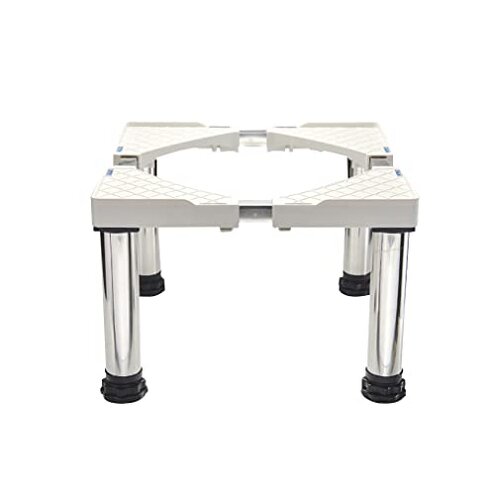
Product evaluated: Machine Stand Adjustable Appliance Stand Refrigerator Pedestal Stand Length/Width 17"-25" Wine Cooler Stand Pedestal for Dishwasher Heavy Furniture, Anti-rust, White (Legs:10",4Legs)
Related Videos For You
Multi Functional Movable Washing Machine Stand #shorts
How to Prevent a Washing Machine Shaking and Spinning Noisily
Data basis: this report draws on hundreds of user comments collected from written reviews and video demonstrations, gathered through Jan 2026. Most feedback came from written reviews, supported by video demonstrations.
| Outcome | This Product | Typical Mid-Range Stand |
|---|---|---|
| Stability | Wobbly under load, commonly reported on heavy appliances. | Stable for similar loads in most mid-range models. |
| Assembly | Fit and alignment problems during setup increase effort. | Easier fit with clearer parts and alignment in peers. |
| Size fit | Adjustable range often mismatches real appliances without extra parts. | Better real-world sizing tolerance on average alternatives. |
| Vibration/noise | Noticeable vibration and noise for washers and dryers. | Lower vibration in comparable mid-range stands. |
| Regret trigger | Higher-than-normal risk: wobble and fit lead to appliance instability. | Lower risk: fewer buyers report dangerous wobble. |
Is the stand too wobbly for heavy appliances?
Regret moment appears when a washer or heavy fridge is placed and vibration starts during operation.
Pattern seen repeatedly in feedback, and it worsens during long cycles or heavy loads.
Why worse than typical: mid-range stands usually control vibration better, so the wobble here feels more disruptive.
Do assembly and fit problems cost extra time and parts?
- Early sign: panels and legs misalign during the first setup attempt.
- Frequency tier: commonly reported as a primary complaint by buyers who assembled alone.
- Cause: adjustable sections require careful measurement and sometimes extra tightening to sit flush.
- Impact: adds extra setup time and frustration, especially for users expecting quick install.
- Hidden requirement: some machines need more legs than advertised, which buyers only discover after purchase.
Will the adjustable size actually fit my appliance?
- Sizing trade-off: advertised 17–25" range can still leave gaps on real appliance bases.
- Usage anchor: mismatch usually shows up at first placement and when shifting the unit.
- Frequency tier: a secondary but recurring issue across multiple user reports.
- Cause: telescoping parts can slip or not lock perfectly under weight.
- Impact: requires shims or extra parts to secure a tight fit.
- Fixability: possible but demands additional purchases or workarounds.
- Buyer note: measure your appliance and expect extra adjustment time.
How durable and load-capable is this stand long term?
- Load concern: stated capacities exist, but buyers report stress under daily heavy use.
- Early sign: wobble and loose fittings appear after repeated cycles.
- Frequency tier: persistent for frequent users and daily appliance cycles.
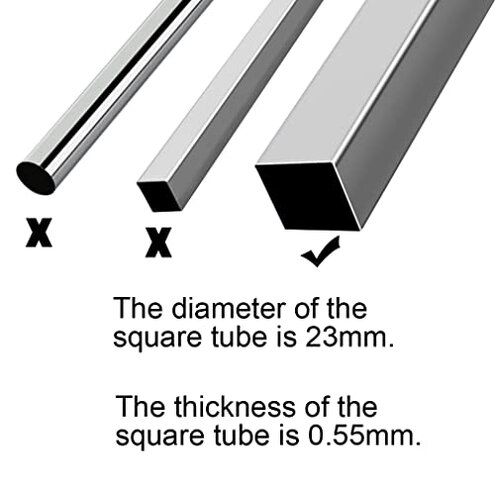
- Cause: thin adjustable tubing and plastic panels show wear with time.
- Impact: long-term instability can shorten appliance life or require replacement.
- Attempts to fix: buyers add bracing or replace fasteners to restore stability.
- Category contrast: more upkeep than most mid-range alternatives, making it less forgiving.
- When worse: humid environments or frequent movement accelerate wear.
Illustrative excerpts
Illustrative: "Wobbles strongly when the washer spins, needed shims to stop movement." — primary pattern
Illustrative: "Parts didn't line up and I had to buy extra screws." — secondary pattern
Illustrative: "Legs scratched my floor despite rubber feet." — edge-case pattern
Who should avoid this
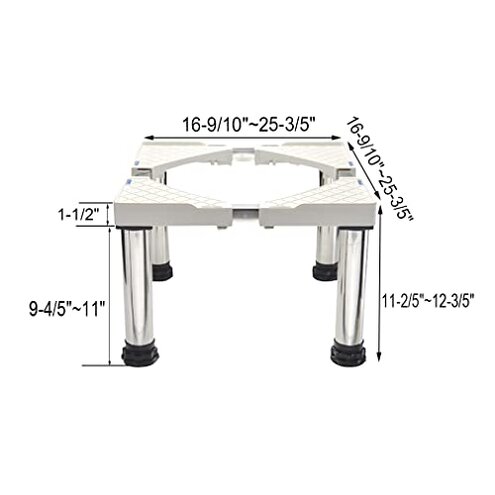
- Buyers needing stability: avoid if you require a rock-solid base for heavy washers or fridges.
- Limited DIY time: avoid if you cannot spend extra hours or money fixing fit issues.
- High-frequency users: avoid if your appliance runs daily cycles that increase wear and wobble risk.
Who this is actually good for
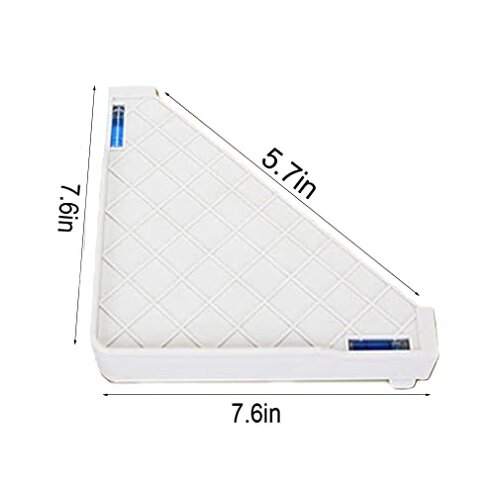
- Light appliances: suitable if you only elevate small, lightweight machines and accept occasional adjustment.
- Handy DIYers: OK for those comfortable adding shims, screws, or braces to improve fit.
- Short-term needs: works for temporary placement where long-term durability is not essential.
Expectation vs reality
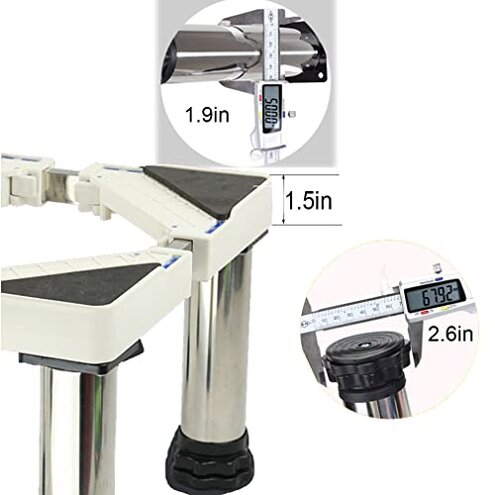
Expectation: reasonable for this category that an adjustable stand fits appliances with minimal tweaking.
Reality: this model often requires extra adjustments, parts, or reinforcement after first use.
Expectation: buyers expect mid-range stands to limit vibration during cycles.
Reality: vibration and audible noise are more noticeable here than with peer products.
Safer alternatives
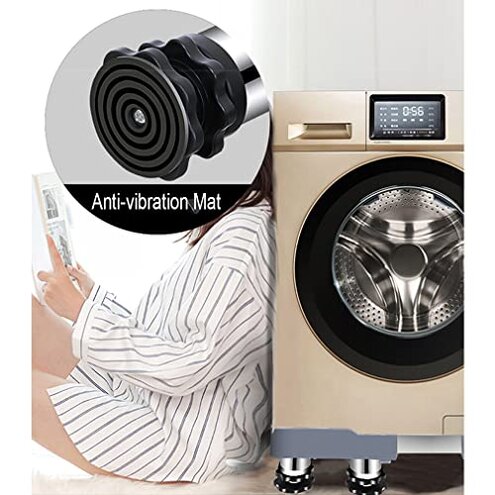
- Choose reinforced bases: look for stands with solid frames and fewer telescoping joints to reduce wobble.
- Prefer bolt-together designs: select models that bolt firmly rather than relying on friction fits.
- Check real load tests: seek listings with real-user photos or videos of the product under full appliance load.
- Measure twice: measure appliance base and compare with the stand at extreme extension points.
- Rubber feet and pads: ensure the model has robust anti-skid pads to limit movement and protect floors.
The bottom line
Main regret: wobble and fit failures are the clearest trigger for buyer disappointment.
Why it matters: these issues exceed normal category risk because they require repairs or extra parts to reach acceptable stability.
Verdict: avoid this stand if you need reliable, low-maintenance support for heavy appliances.
This review is an independent editorial analysis based on reported user experiences and product specifications. NegReview.com does not sell products.