
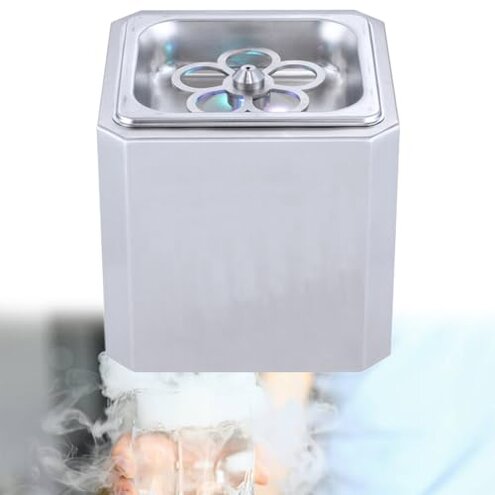
Product evaluated: VitalisWorks Glass Chiller Glass Froster CO2 Glass Chiller CO2 Glass Froster Beer Glass Chiller Beer Glass Froster Instant Glass Chiller, for Bars, Restaurants, Clubs, Hotels
Related Videos For You
Thrill glass chiller
Natural Refrigerant Webinar Series: CO2 Safety and Handling
Data basis: This report aggregates feedback from dozens of buyer comments and several product videos, collected Jan 2023–Jan 2026. Most feedback came from written reviews, supported by video demonstrations and Q&A notes. The summary leans on recurring patterns rather than single incidents.
| Outcome | VitalisWorks | Typical mid-range alternative |
|---|---|---|
| Setup complexity | High — CO2 hookups and pressure checks add steps. | Low — most electric chillers only need power and placement. |
| Ongoing cost | Higher-than-normal risk — CO2 refills and cup replacement add recurring cost. | Moderate — electricity and occasional parts are typical costs. |
| Reliability | Fragility issues reported during chilling cycles, more breakage than expected. | Steadier — slower methods reduce thermal shock and breakage risk. |
| Safety & handling | Special handling required for CO2 tanks and pressure lines. | Simpler — fewer pressurized consumables to manage. |
| Regret trigger | Immediate — buyers most regret breakage, refill costs, and setup steps. | Gradual — regret usually tied to performance, not safety or cost surprises. |
Top failures buyers should know
Will the glass crack or shatter during chilling?
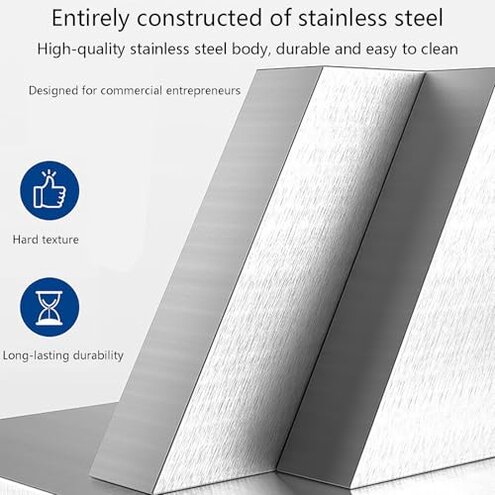
Regret moment: Many buyers report seeing cups crack or shatter when frosted quickly, especially on first use.
Pattern: This is among the most common complaints and appears repeatedly in user accounts after initial chilling cycles.
Category contrast: This feels worse than normal because most mid-range chillers use gentler cooling, reducing thermal shock and breakage.
Do you need special consumables or skills to run it?
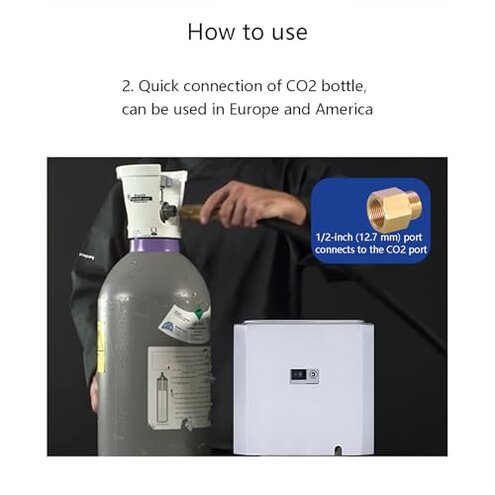
- Hidden requirement: The unit requires a CO2 tank and regulator, adding installation steps and refill logistics.
- When it shows up: Issues appear during first setup and whenever tanks are swapped or run low.
- Frequency tier: This is a primary issue for many buyers who lack handling experience with pressurized gas.
- Impact: Adds time, safety checks, and possible extra cost compared with plug-in chillers.
- Fixability: Fix requires learning CO2 safety and finding local refill options, adding effort and expense.
Is maintenance, noise, or ongoing cost worse than expected?
- Early sign: Frequent mentions of noise spikes and occasional hissing during operation are common in reports.
- Cause: Pressurized gas delivery and mechanical valves create louder operation than simple electric units.
- Scope: This is a secondary issue but it compounds over long service sessions in busy bars.
- Impact: Noise makes it less suitable for quiet spaces and increases perceived operational complexity.
- Ongoing cost: CO2 refills and replacement cups are repeatedly noted as extra expenses.
- Repairability: Buyers report that fixes often need technical parts or service calls, raising downtime risks.
Will the cold be consistent and controlled enough for cocktails?
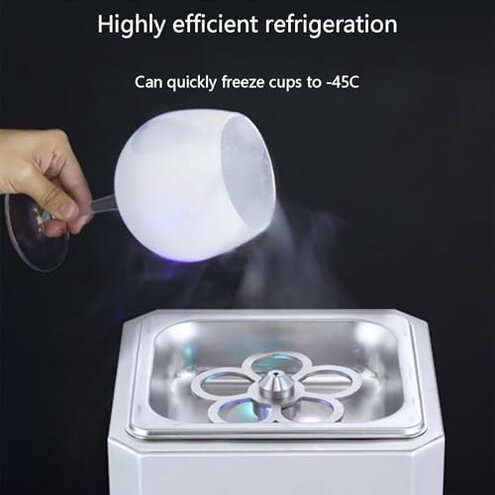
- Performance gap: Several buyers describe uneven frosting or inconsistent cup temperature across uses.
- When noticeable: This appears during back-to-back service or after long sessions when the system is pushed.
- Why worse: Compared with mid-range alternatives, the trade-off for instant chill is more variability and missed pours.
- Customer impact: Inconsistent chill leads to mixed drink quality and wasted ingredients.
- Attempts to mitigate: Users say repeated cycles, pre-chilling, or slower service can help but add time.
- Frequency tier: This is a secondary but recurring complaint, especially in professional heavy-use settings.
- Hidden cost: You may need spare cups and extra CO2, which raises operating overhead.
Illustrative excerpts (not real quotes)
"Glass cracked on first use; lost three cups in seconds." — Primary pattern
"Needed a CO2 refill the same week; unexpected extra cost." — Primary pattern
"Louder than expected and fussier to set up for service." — Secondary pattern
Who should avoid this
- Low-maintenance buyers: Avoid if you want a plug-and-play chiller without pressurized consumables.
- Quiet venues: Avoid if noise or hissing during operation is unacceptable in your space.
- High-volume bars without technical staff: Avoid if you cannot manage CO2 logistics and quick cup replacement.
Who this is actually good for
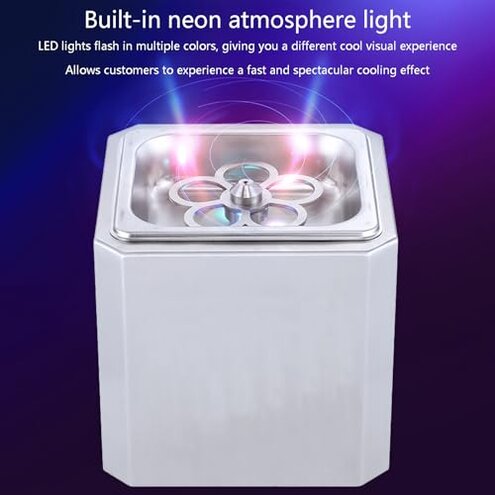
- Experienced bartenders: Good for users who accept CO2 handling and can manage refills and safety checks.
- Show-piece bars: Good where instant frost and neon LEDs are a serviceable trade for extra upkeep.
- Low-frequency use at events: Good for occasional event use when staff can supervise setup and cup care.
Expectation vs reality
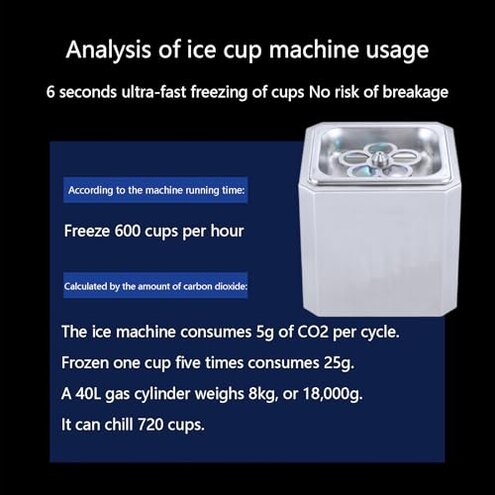
Expectation (reasonable for category): Buyers expect fast chilling to be a quick upgrade to service.
Reality: Fast chilling often means extra safety steps, CO2 handling, and increased breakage risk.
Expectation: A compact, low-cost improvement for cocktail service.
Reality: The combined cost of supplies and cup replacement can exceed expectations.
Safer alternatives
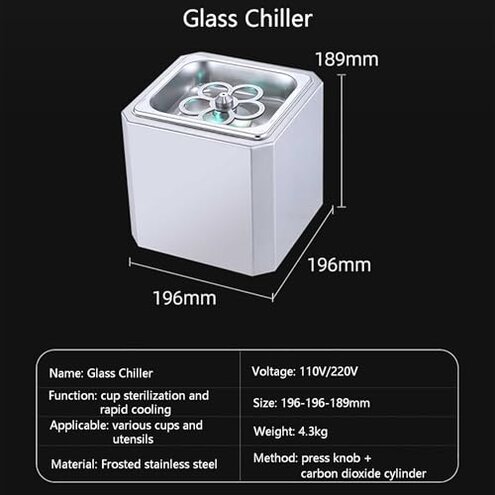
- Choose electric chillers: Pick plug-in models to avoid CO2 handling and reduce audible operation.
- Check service manuals: Look for models with clear refill and safety documentation to lower hidden requirements.
- Prefer gentle cooling: Select options that cool gradually to reduce thermal shock and breakage.
- Budget for consumables: Include tank refills and spare cups when comparing total cost of ownership.
The bottom line
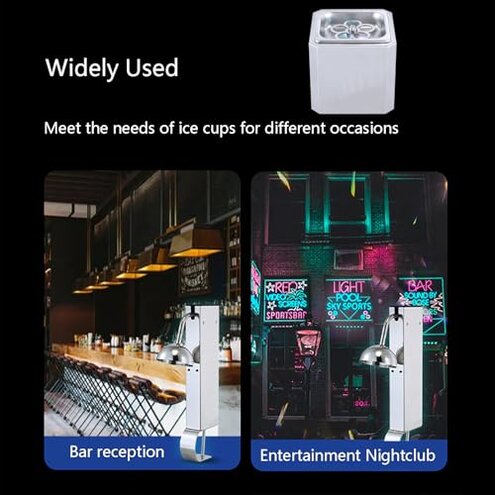
Main regret trigger: The combination of glass breakage risk and CO2 tank dependency drives the strongest buyer complaints.
Category risk: Those issues make this product riskier than typical mid-range chillers for most buyers.
Verdict: Avoid if you cannot manage pressurized consumables, extra noise, and higher running costs.
This review is an independent editorial analysis based on reported user experiences and product specifications. NegReview.com does not sell products.