
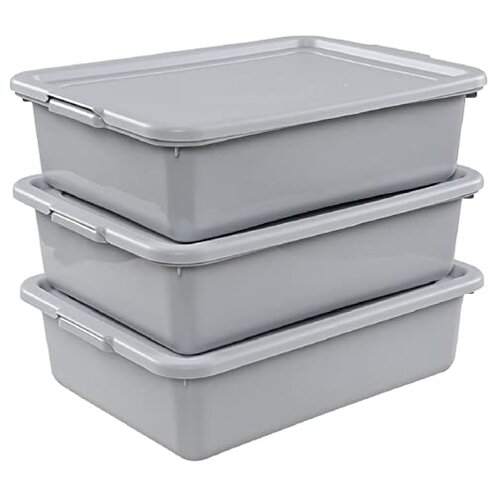
Product evaluated: Wekioger 3 Pack Bus Tubs Commercial, 13 L Meat Tubs with Lids, Silver Grey
Related Videos For You
Restaurant bus tub in different sizes and colors Goodman Restaurant Supply
Don't Buy Food Storage Containers Until You Watch This (7 Brands Tested)
Data basis Dozens of buyer comments and a sampling of short video demonstrations were examined between Jan 2023 and Dec 2025 for this report. Most feedback came from written reviews, supported by video demonstrations, with a smaller number of Q&A notes and reply threads considered.
| Outcome | This product | Typical mid-range tub |
|---|---|---|
| Durability | Lower reports of cracking and edge chips under regular use. | Higher resilience to daily stacking and rough handling. |
| Lid seal | Higher-than-normal risk of loose lids and poor fit when stacked or moved. | More reliable lid fit with fewer pop-offs during transport. |
| Stacking stability | Variable — warping and misalignment reported after repeated stacking. | Consistent stacks that hold shape over time. |
| Cleaning & odor | Typical cleaning effort but some reports of trapped food at corners and lids. | Typical for the category with fewer tight crevices. |
| Regret trigger | Frequent lid-pop or cracking events that force replacement or extra handling. | Less frequent nuisance-level problems. |
Will the lid stay on when you stack or move these tubs?
Regret moment Many buyers report lids that feel loose or that pop off during normal stacking or brief transport.
Pattern This is a recurring complaint and appears repeatedly across written feedback and short videos.
When it shows up The problem usually appears on first use or after a few stacking cycles, and worsens with daily handling.
Category contrast For mid-range bus tubs, lids typically stay seated under normal stacking; here the fit feels less forgiving, increasing spill risk and extra handling.
Does the plastic crack or chip under normal use?
- Primary sign Buyers commonly mention edge cracking or small chips after weekly use.
- Usage anchor Damage often appears after repeated stacking or when tubs are dragged on rough surfaces.
- Frequency tier This is a secondary but persistent issue compared with the lid-fit problem.
- Impact Cracks reduce stability and can create sharp edges that need replacement.
- Fixability Most buyers must replace tubs rather than repair them cheaply.
Are stacks stable and do tubs keep their shape?
- Early sign Slight warping after freezer cycles or heavy stacking shows up in photos and videos.
- Cause Repeated weight and temperature changes seem to increase shape drift.
- Frequency tier This is reported as a secondary complaint but becomes more disruptive over months.
- When worse Problems grow with daily handling and stacking more than a few layers high.
- Hidden requirement You may need gentler stacking practices that buyers of mid-range tubs do not expect.
- Category contrast Other mid-range tubs maintain shape longer under similar stresses, so this product demands extra care.
- Try-before-you-rely Heavy users should test stacks for weeks before committing to high-volume use.
Are there surprises you must plan for before buying?
- Hidden need Several buyers discovered a requirement to press lids firmly and align tabs to get a decent fit.
- Early sign Lids may look seated but still shift when moved or tilted.
- Fix attempts Shoppers tried rubber bands, tape, or extra shelving to stop pops and reported only partial success.
- Frequency tier This is an edge-case for light home use but a major hassle for busy kitchens.
- Impact The extra steps add time and can break workflows in high-turnover prepping or catering work.
- Cost implication Replacements and workarounds increase total ownership cost versus similar tubs.
- Final note If you expect plug-and-play stacking, expect to invest time in setup.
Illustrative excerpts
Illustrative: "Lid popped off during a short walk to the sink, spilled food everywhere." Primary pattern
Illustrative: "Small crack at the rim after two weeks of busy kitchen use." Secondary pattern
Illustrative: "Needed tape and rubber bands to keep lids in place for transport." Edge-case pattern
Who should avoid this
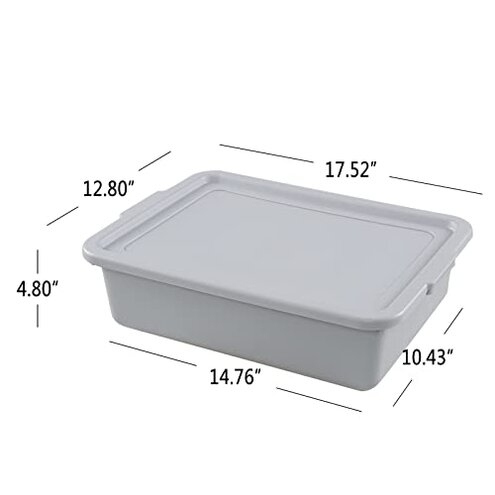
- High-volume kitchens Avoid if you need dependable lids and rugged stacking under heavy daily use.
- Transport-heavy users Avoid if you move filled tubs on carts or in vehicles often.
- Low-tolerance buyers Avoid if you do not want extra time for alignment or workarounds.
Who this is actually good for
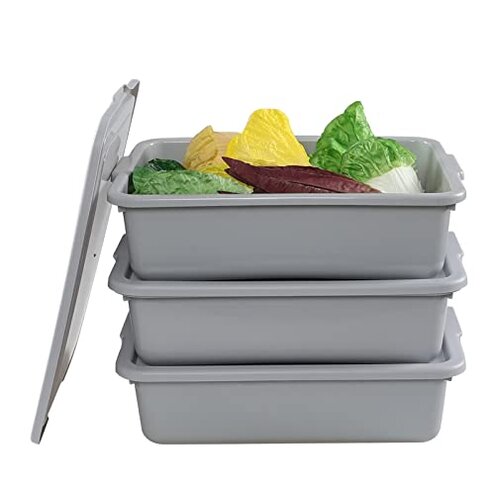
- Light home cooks Good if you only need tubs for occasional prep and can tolerate gentle handling.
- Short-term storage Works for brief fridge or freezer holding where lids stay mostly undisturbed.
- Budget-conscious users Acceptable if you expect to replace inexpensive tubs and can live with extra steps.
Expectation vs reality
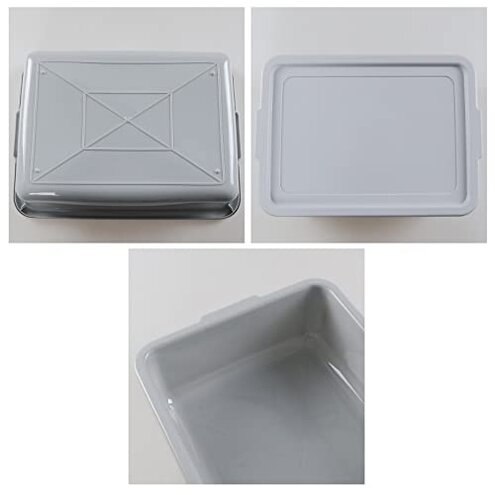
Expectation Reasonable for this category: tubs should stack and move without lids popping.
Reality Lids can be loose on first use and often need extra seating or tape to be reliable.
Expectation Reasonable: mid-range tubs resist cracking under normal kitchen use.
Reality This product shows faster edge wear and occasional cracking after repeated handling.
Safer alternatives
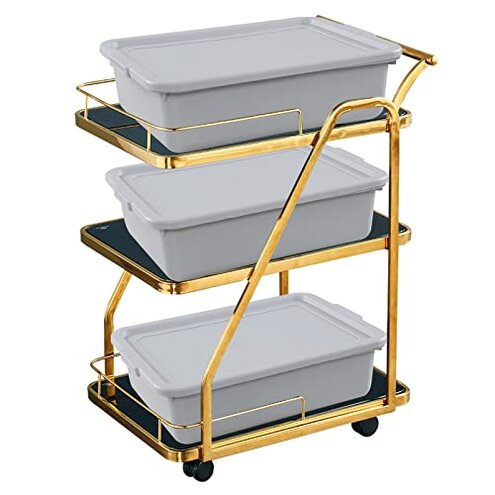
- Choose reinforced tubs Look for tubs with thicker rims to reduce cracking and edge wear.
- Prioritize lid-lock designs Pick tubs with snap-lock lids to prevent pop-offs during transport.
- Test stacking Buy one set first and stack them under your normal load to check for warping.
- Check replacement parts Prefer brands that sell spare lids so you can replace worn seals cheaply.
The bottom line
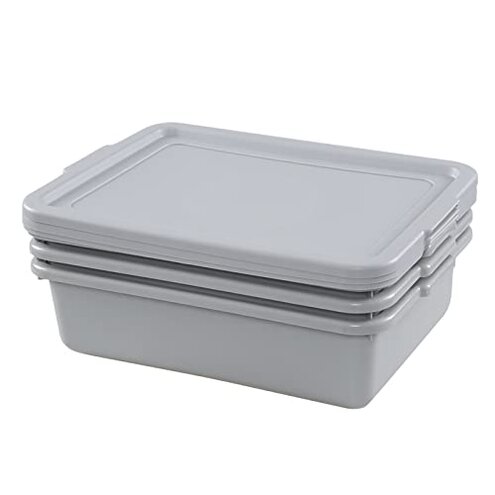
Main regret The most common trigger is loose lids that pop off and require extra steps to secure.
Why it matters This issue, combined with edge cracking, makes the tubs less durable than typical mid-range options.
Verdict If dependable stacking, transport, and low-maintenance durability matter, avoid this product and consider reinforced or snap-lock alternatives.
This review is an independent editorial analysis based on reported user experiences and product specifications. NegReview.com does not sell products.