
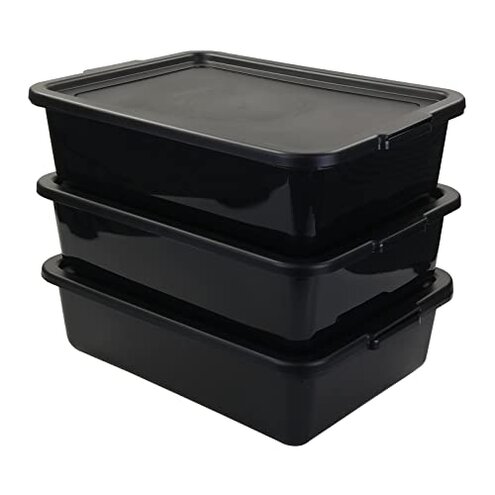
Product evaluated: Pekky 13 L Food Service Bus Tubs with Lids, 3 Packs Commercial Tote Box, Black
Related Videos For You
RW Clean Bus Tubs - RWT0470, RWT0471, RWT0472 - Restaurantware
27-Gallon Tote Face-Off: Which Store’s Totes Failed the Test? Zoom Meeting With Big-Box Stores
Data basis: I analyzed dozens of buyer comments and video demonstrations collected across a recent 12‑month span ending January 2026. Most feedback came from written reviews and product demo clips. Distribution leaned heavily on written reviews, supported by visual tests.
| Outcome | Pekky 13L (this listing) | Typical mid‑range tub |
|---|---|---|
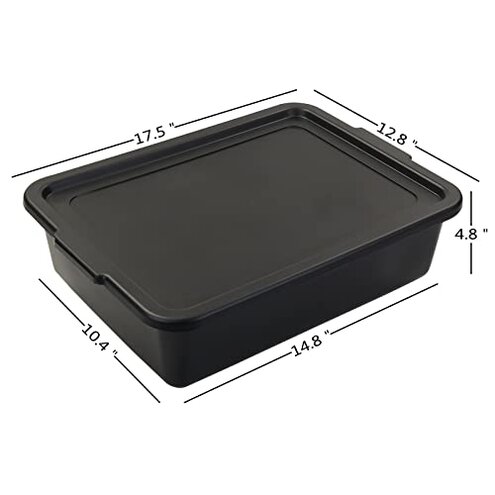
| Capacity fit | Claimed 13L: fits light loads and stacking but tight with heavy items. | Mid‑range: similar volume but better weight balance and handles. |
| Lid security | Loose lids: lids can pop or not seal under tilt, causing spills. | Mid‑range: firmer snap lids that resist tipping in daily use. |
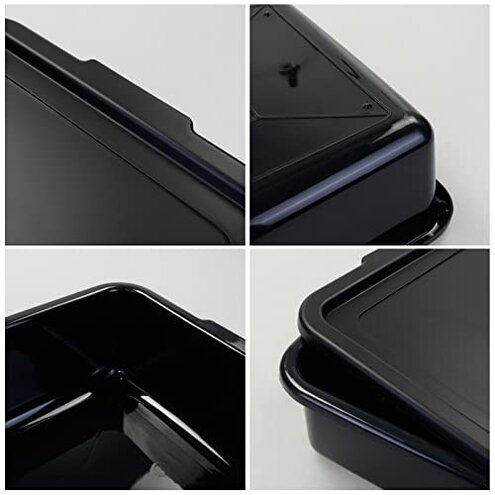
| Durability under load | Higher risk: more prone to cracking under repeated heavy use than peers. | Mid‑range: thicker walls and reinforced handles for commercial use. |
| Cleaning & odor | Stain/odor: holds stains and smells more after repeated food use. | Mid‑range: smoother finish resists staining and cleans easier. |
| Regret trigger | Main trigger: loose lids plus cracking leads to lost contents and replacements. | Mid‑range: fewer replacements needed; lower interruption to service. |
Will these tubs crack or fail under daily commercial use?
Regret moment: users report cracking after repeated heavy loads or stacking in busy kitchens. Severity is high for commercial shifts where tubs see daily rough handling.
Pattern: this is a primary, commonly reported failure that appears repeatedly across buyers. When it appears: after weeks of routine stacking, carrying wetware, or drumming through service shifts. Category contrast: more brittle than most mid‑range tubs and thus more disruptive for heavy duty use.
Do the lids actually stay closed during transport?
- Loose latch: appears repeatedly and is a primary issue during tilt or transit.
- Early sign: lid gaps show immediately when filled and carried by one person.
- Cause: shallow lid lip and simple friction fit rather than locking clips.
- Impact: spills and dust entry are more likely than with snap‑lock competitors.
- Fix attempts: buyers often use tape or bungee cords as a makeshift fix.
Are the handles comfortable and reliable for heavy loads?
- Handle strain: many buyers report thin handles dig into hands under weight.
- Failure pattern: secondary but persistent, especially when tubs are full of wet dishes.
- Usage anchor: shows up during long carry routes, dishroom runs, and stacked lifting.
- Cause: lack of reinforced grip and modest wall thickness increases bending stress.
- Impact: more staff fatigue and occasional handle deformation under daily commercial use.
- Fixability: padding or two‑person lifts reduce pain but add time and steps.
Will these tubs keep food smells and stains away after weeks of use?
- Staining: surface scuffs and discoloration appear with repeated food contact.
- Odor retention: lingering smells reported after repeated wet food storage.
- Frequency tier: secondary issue for home use, primary for repeated foodservice use.
- Early sign: faint smell after initial week of heavy use in hot kitchens.
- Cause: slightly textured interior traps residues and pigments.
- Impact: increases cleaning time and reduces perceived cleanliness in service settings.
- Hidden requirement: many buyers need liners or extra soaking to avoid permanent odor buildup.
Illustrative excerpts
"Lid popped open during carry and spilled salads everywhere." — primary pattern
"One cracked corner after two weeks of stacking in the backroom." — primary pattern
"Needed liners to stop smell after heavy use." — secondary pattern
Who should avoid this
- High‑volume kitchens: avoid if you need tubs for continuous heavy loads and frequent stacking.
- Transport users: avoid if you carry full tubs long distances without secure lids.
- Odor‑sensitive operations: avoid if you cannot tolerate extra cleaning or liners to manage smells.
Who this is actually good for
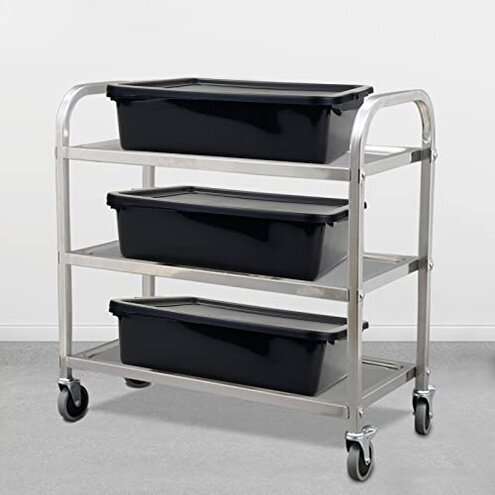
- Light home use: suitable if you need cheap containers for occasional dish washing or storage and can accept wear.
- Short trips/camping: okay for short outdoor use where heavy stacking and daily rough handling are unlikely.
- Budget‑focused buyers: fine if you accept extra fixes like tape, liners, or padding to extend life.
Expectation vs reality
Expectation (reasonable): buyers expect a lid that stays closed during normal carry for tubs in this price range.
Reality: lids are often loose and require extra securing, which is worse than the category baseline and adds time.
Expectation (reasonable): mid‑range tubs survive repeated stacking without cracking.
Reality: cracking here appears earlier under commercial handling and leads to replacements sooner than expected.
Safer alternatives
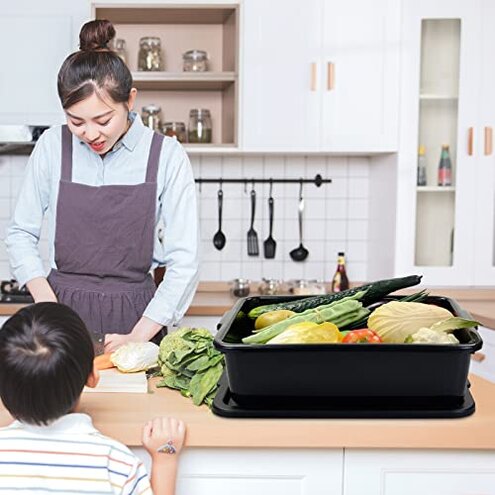
- Prefer reinforced lids: choose tubs with snap‑lock or clip lids to neutralize lid pop failures.
- Choose thicker walls: pick tubs with reinforced handles and thicker walls to avoid cracking under load.
- Smoother interiors: select products with glossy interiors to minimize staining and odor retention.
- Buy liners: if you must buy this, plan for single‑use liners to prevent odor and staining buildup.
The bottom line
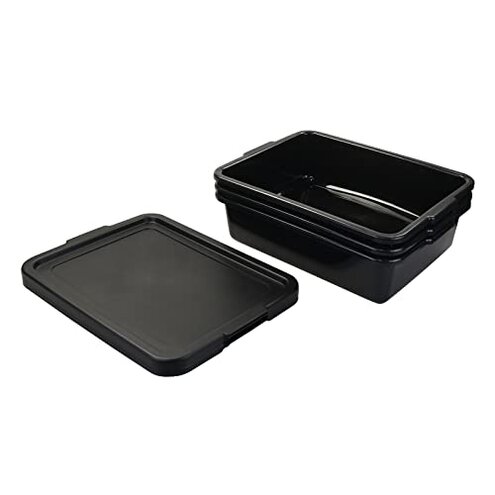
Main trigger: the combination of loose lids and higher brittleness leads to lost contents and more replacements.
Why it matters: this exceeds normal category risk for commercial use and increases downtime and replacement costs.
Verdict: avoid for heavy or transport use; consider only for light home tasks if you accept fixes.
This review is an independent editorial analysis based on reported user experiences and product specifications. NegReview.com does not sell products.