
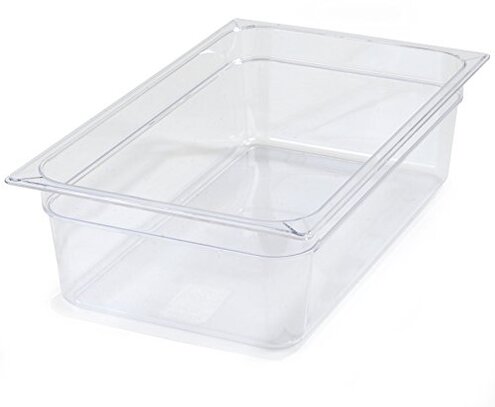
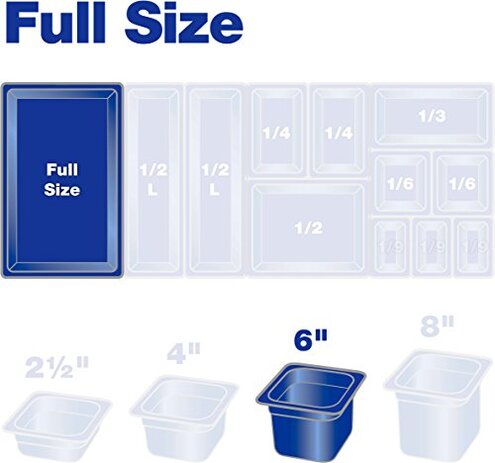
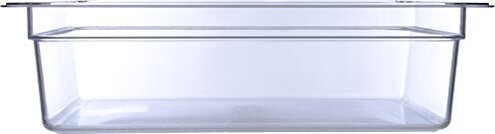
Product evaluated: Carlisle FoodService Products Storplus Full-Size Plastic Food Pan for Catering, Buffets, and Restaurants, Polycarbonate 6 Inches Deep, Clear
Related Videos For You
How to Correctly Size Steam Table Pans
The Best Way To Clean and Season a Cast Iron Skillet | Epicurious 101
Data basis: I reviewed dozens of customer-written reviews and video demonstrations collected from 2017 through early 2026, with most feedback coming from written reviews supported by clips and product tests.
| Outcome | This Carlisle pan | Typical mid-range alternative |
|---|---|---|
| Durability | Wear over time: commonly reported chipping or cracking after repeated heavy handling. | Wear baseline: mid-range pans usually show slower wear under similar daily use. |
| Clouding & scratches | Surface clouding: appears repeatedly after dishwasher cycles and aggressive scrubbing. | Better finish: many alternatives resist clouding longer with similar care. |
| Stacking & storage | Stack fit: stackable but can stick and require extra attention when wet. | Stack ease: alternatives often separate more cleanly when stacked wet or hot. |
| Sanitation | NSF listed: meets basic sanitation but shows wear that can hide stains over time. | Sanitation baseline: typical pans maintain a cleaner appearance longer under the same wash cycles. |
| Regret trigger | Higher-than-normal risk: surface clouding and brittle failures are more disruptive than expected for this category. | Lower regret: mid-range options usually deliver lower upkeep and less visible aging. |
Why does this pan show cloudy, scratched surfaces so quickly?
Regret moment: Buyers notice clouding after a few dishwasher cycles when the pan loses clarity and shows light scratches.
Pattern: This problem is commonly reported and appears repeatedly across written reviews and demonstrations, especially after repeated dishwasher use.
Context & contrast: In everyday foodservice use this feels worse than expected because mid-range pans typically keep a cleaner appearance longer with the same care.
Is cracking or chipping a real risk with normal use?
- Early signs: Edge chips often start to appear after repeated heavy handling or accidental drops.
- Frequency tier: Secondary issue: less frequent than clouding but more frustrating when it occurs.
- Usage anchor: failures commonly show up after months of daily buffet or catering handling.
- Cause: repeated impact and stacking friction increase stress on corners and rims.
- Impact: a chipped rim raises sanitation and replacement costs in active kitchens.
Will daily commercial washing make problems worse?
- Sanitation trade-off: Dishwasher use speeds clouding and visible wear even though NSF lists the product as dishwasher-safe.
- Hidden requirement: some buyers need gentler cycles or handwashing to keep appearance longer—an extra operational step.
- Frequency tier: this is a primary issue for kitchens using high-temperature, heavy-duty dishwashers daily.
- Attempts to fix: buyers report mild polishing or buffing but results are temporary.
- Category contrast: requires more upkeep than most mid-range alternatives to keep a like-new look.
- Hidden cost: extra labor time for handwashing increases operational overhead in busy settings.
Are there compatibility or storage surprises?
- Stacking quirks: Sticks when wet which adds small delays during line setup and cleanup.
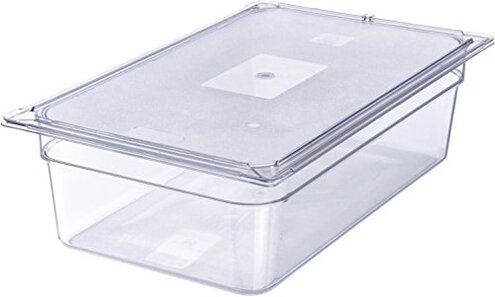
- Lid fit: buyers often note lids sold separately, creating extra purchases to get a usable kit.
- Edge wear: stacking with other metal pans can accelerate scratches and abrasion.
- Frequency tier: this is a secondary issue but persistent in busy storage routines.
- Fixability: requires careful stacking technique or protective separators to avoid added wear.
- Operational impact: adds setup time during busy service periods.
- Category contrast: less forgiving than typical pans that separate easily and often include lids.
Illustrative excerpts (not real quotes)
Excerpt 1: "Cloudy after a few washes; looks old quickly despite light use." — primary pattern
Excerpt 2: "Corner chip showed up after a month of catering shifts." — secondary pattern
Excerpt 3: "Stacks stick together when wet and slow our line." — secondary pattern
Who should avoid this
- High-volume kitchens: avoid if you run daily heavy-duty dishwashers and need low-upkeep equipment.
- Appearance-sensitive operations: avoid if you require long-lasting clarity for front-of-house displays.
- Low-labor settings: avoid if you cannot afford the extra handwash time or replacements.
Who this is actually good for
- Light-use caterers: good if you only need pans for infrequent events and accept some wear.
- Back-of-house prep: fine if function matters more than visual clarity and you can tolerate scratches.
- Budget-conscious buyers: acceptable when you expect to replace periodically rather than maintain long-term.
Expectation vs reality

- Expectation: reasonable for this category that a polycarbonate pan is dishwasher-safe.
- Reality: dishwasher use commonly produces clouding and surface wear sooner than expected.
- Expectation: pans will stack cleanly and include convenient lids in many kits.
- Reality: lids are often not included and stacking can cause sticking and scratches.
Safer alternatives
- Choose higher-clarity plastics: pick pans marketed for scratch resistance to reduce visible aging.
- Avoid heavy dishwasher cycles: use gentle wash programs or handwash to limit clouding.
- Buy lids in kit: purchase pans with included fitted lids to avoid extra purchases and compatibility issues.
- Use separators: add simple stack protectors to prevent edge chips and abrasion.
The bottom line
Main regret: buyers most often report surface clouding and accelerated wear after regular dishwasher and handling cycles.
Why it matters: these issues exceed normal category risk because they increase upkeep and early replacement costs in active kitchens.
Verdict: avoid this pan if you need low-maintenance durability; consider sturdier mid-range alternatives or pans with proven scratch resistance.
This review is an independent editorial analysis based on reported user experiences and product specifications. NegReview.com does not sell products.