
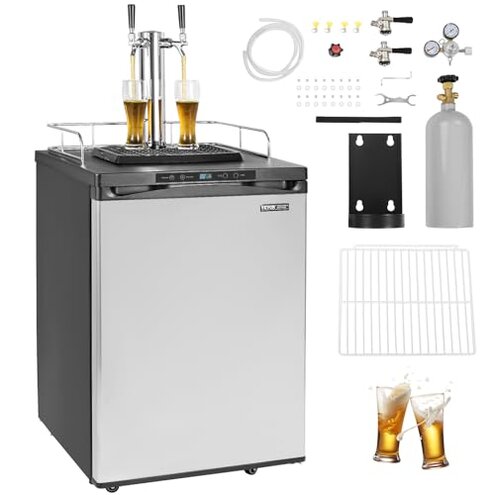
Product evaluated: VEVOR Beer Kegerator, Dual Tap Draft Beer Dispenser, Full Size Keg Refrigerator With Shelf, CO2 Tank(No Gas), Drip Tray & Rail, 23°F- 82.4°F Temperature Control, 162L, Silver
Related Videos For You
How to Tap a Keg for Your Kegerator in Your Bar or Home
How to clean draft beer lines: Circulation Method
Data basis I analyzed dozens of buyer reviews and several video demonstrations collected between 2023-09 and 2025-01. Most feedback came from written reviews, supported by video demonstrations and installation clips, with usage reports concentrated in first weeks of ownership.
| Outcome | VEVOR kegerator | Typical mid-range kegerator |
|---|---|---|
| Cooling stability | Unstable — cooling cycles and warm spells reported after setup, higher-than-normal risk for draft products. | Stable — most mid-range units keep steady temps once set, with fewer warm cycles. |
| Setup effort | Extra steps — assembly and adjustments commonly required beyond manual instructions. | Smoother — mid-range alternatives often have clearer guides and fewer tweaks. |
| Leak & CO2 risk | Higher risk — empty CO2 included and reports of pressure/connection issues during early use. | Lower risk — competitors package regulators and filled tanks or clearer connection fittings. |
| Noise & vibration | Louder — several users noted stronger compressor noise and rattle under load. | Quieter — mid-range units are typically better insulated and damped. |
| Regret trigger | High — cooling interruptions and CO2 leaks create wasted kegs and frequent fixes. | Moderate — repairs are rarer and less costly in typical alternatives. |
Why won't this keep beer cold and steady?
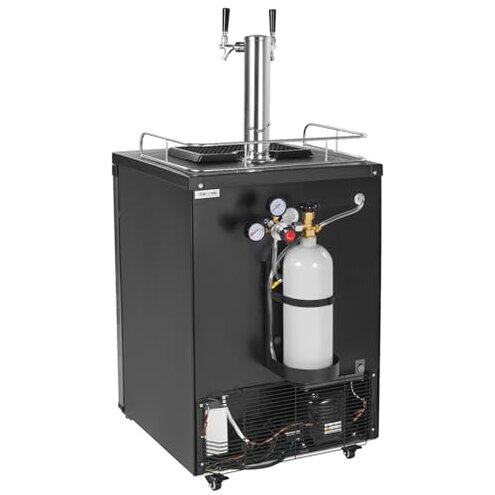
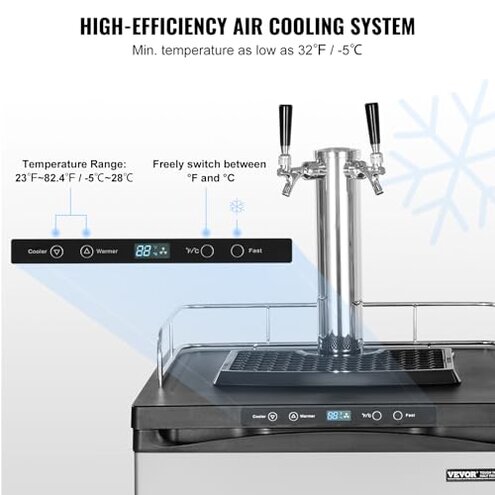
Primary cooling Buyers commonly report temperature swings that affect pour quality within the first weeks after setup. Usage context The problem appears during daily use and after the automatic defrost cycle runs.
Pattern note This is a recurring pattern rather than an isolated case, and it is seen across written and video reports. Category contrast This is worse than typical mid-range kegerators, which usually maintain steady temps once leveled.
Are CO2 and leaks going to cause wasted beer?
- Early sign: Many buyers find the included CO2 tank is empty, creating an immediate extra purchase step.
- Frequency tier: This is a primary issue for new owners and appears frequently in setup reports.
- Root cause: Connection fittings and spare hose quality were repeatedly cited as leak-prone in user feedback.
- Impact: Leaks lead to flat pours and faster gas consumption, which is more disruptive than expected for this category.
- Fixability: Some users resolved leaks with upgraded clamps or a better regulator, but that adds cost and time.
Will this be noisy or vibrate on my counter?
- Noise reports: Several posts describe louder compressor cycles and rattle during cooling peaks.
- When it happens: Noise is most noticeable during long pours or when the compressor cycles after keg loading.
- Scope signal: Seen across both written reviews and unpacking videos, not limited to isolated shipments.
- Why it matters: Noise and vibration can transfer to countertops and disturb home use more than similar models.
- Attempted fixes: Buyers tried repositioning, tightening feet, and adding foam, with mixed results.
- Hidden need: You may need anti-vibration pads or professional leveling to approach quieter performance.
Is assembly and reliability going to eat my time and money?
- Instruction gap: Many owners report unclear steps in the manual, causing trial-and-error during assembly.
- Parts quality: Reports point to flimsy clamps, thin hoses, and alignment adjustments required after first use.
- When it worsens: Problems grow with frequent keg swaps or heavy daily use, increasing maintenance needs.
- Frequency tier: This is a secondary but persistent complaint, seen in written reviews and installation clips.
- Cost impact: Buyers often buy replacement hoses, clamps, or a regulator, which raises total ownership cost above mid-range expectations.
- Hidden requirement: You must purchase CO2 fill and possibly upgraded fittings to make the unit reliably serviceable.
- Category contrast: This unit requires more upkeep than most mid-range kegerators, which usually need less frequent part swaps.
Illustrative excerpts
"Illustrative:" "Unit cooled then warmed after defrost, beer went flat overnight." — primary
"Illustrative:" "Included CO2 was empty, had to buy gas and new clamps immediately." — primary
"Illustrative:" "Compressor rattled loudly during pours despite placement adjustments." — secondary
"Illustrative:" "Manual left out key steps, took hours to set up properly." — secondary
"Illustrative:" "Needed anti-vibration pads to stop countertop noise." — edge-case
Who should avoid this
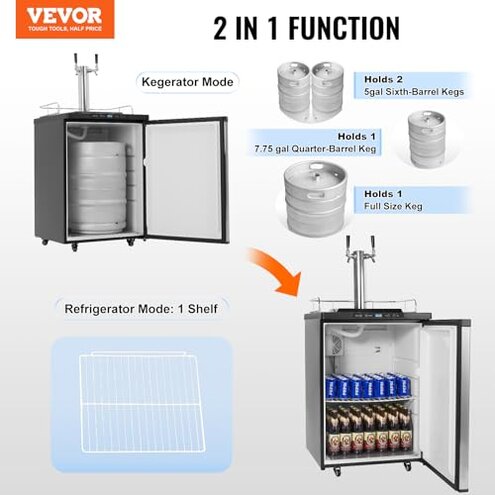
- Quiet-home buyers: If you need a low-noise kegerator, this model is louder and vibrates more than mid-range options.
- Low-maintenance users: If you want plug-and-pour reliability, the extra fittings and adjustments create ongoing upkeep.
- Budget-only shoppers: If you expect a filled CO2 tank and fully functional parts out of the box, you will face immediate extra costs.
Who this is actually good for
- Hands-on tinkerers: Buyers comfortable upgrading hoses, clamps, and regulators can fix most issues cheaply.
- Garage/bar use: If noise and vibration are acceptable in a workshop or home bar, the unit can serve high-volume pours.
- Cost-flexible owners: If you plan to buy a CO2 fill and spare parts anyway, you can tolerate the initial shortcomings.
Expectation vs reality
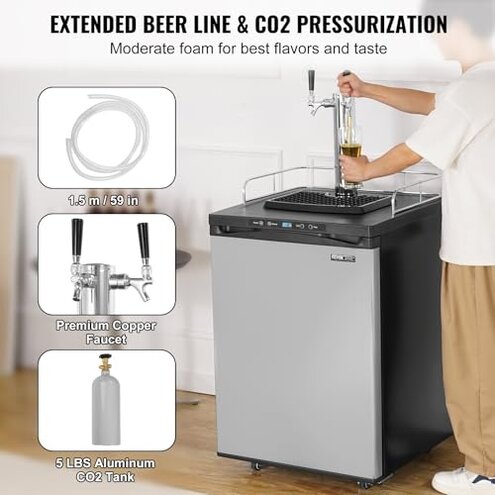
Expectation: Reasonable for this category is steady temperature control after setup. Reality: Many buyers saw cooling interruptions and warm cycles after the automatic defrost.
Expectation: Reasonable for this category is a ready-to-use CO2 supply. Reality: The unit ships with an empty tank, creating an immediate extra purchase.
Expectation: Reasonable for this category is basic mechanical stability. Reality: Noise and part-quality issues make it less stable than comparable mid-range models.
Safer alternatives
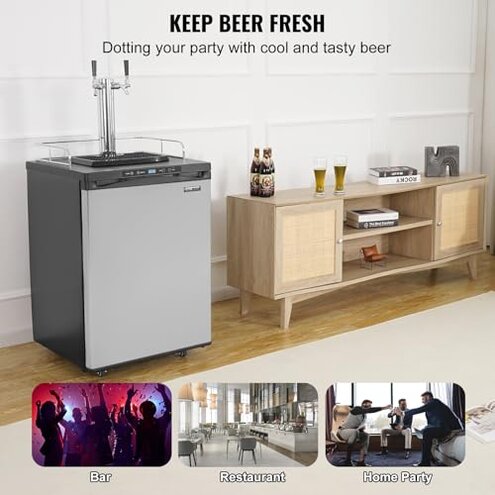
- Choose filled CO2 models: Prefer units that include a filled tank or clearly note empty supplies to avoid surprise purchases.
- Prioritize cooling reviews: Look for kegerators with many user reports of steady temps after weeks of use to counter cooling instability.
- Check parts quality: Pick models with metal clamps and thicker hoses to reduce leak and maintenance risks.
- Buy quieter units: Select options that advertise low-decibel compressors or anti-vibration feet when home noise matters.
The bottom line
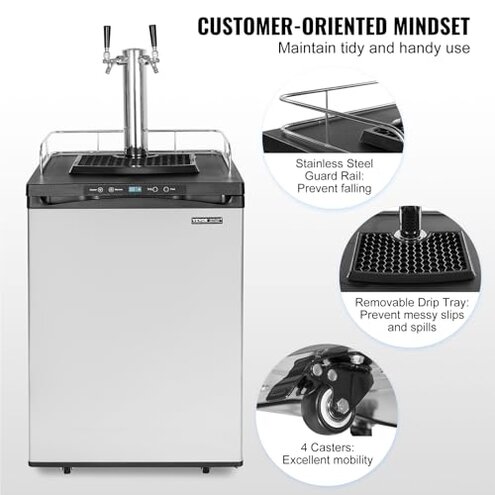
Main regret The primary trigger is temperature instability coupled with CO2 and fitment issues, which cause wasted beer and extra costs. Severity These problems are more disruptive than most mid-range kegerators and often appear during early use.
Verdict Avoid this unit unless you expect to spend time and money on upgrades and maintenance to reach reliable performance.
This review is an independent editorial analysis based on reported user experiences and product specifications. NegReview.com does not sell products.