
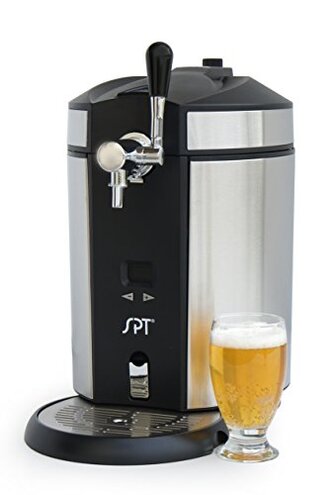
Product evaluated: SPT BD-0538 Mini Kegerator & Dispenser
Related Videos For You
HEINEKEN - 5L Mini Keg setup
Draft System Balancing or How To Fix Foamy Beer
Data basis for this report comes from analyzing dozens of aggregated buyer signals collected from written reviews and star ratings, supported by a smaller share of photo-backed feedback, spanning a multi-year range up to recent months. Most signals came from longer written experiences, with some short “first-pour” reactions that help show what fails during setup.
| Buyer outcome | SPT BD-0538 | Typical mid-range |
|---|---|---|
| Pour reliability | Higher risk of frustrating first pours after setup. | Moderate risk, usually stabilizes after basic dialing-in. |
| Cold beer consistency | More “not cold enough” moments during longer sessions. | More stable cooling for typical indoor use. |
| CO2 upkeep | More cartridge attention and trial-and-error pressure tuning. | Less fiddly once set for a common mini-keg type. |
| Compatibility ease | Pickier with certain 5L kegs and tap behavior. | More forgiving across common mini-keg formats. |
| Regret trigger | Wasted beer or cartridges when the pour goes wrong. | Minor waste, mostly foam tuning and routine cleaning. |
Why is my first keg a foamy mess instead of an easy pour?
Regret tends to hit right after setup, when you expect a clean pint and get foam, sputtering, or an inconsistent stream. This is among the most disruptive complaints because it can waste time, beer, and CO2 in the same evening.
Pattern signals appear repeatedly, though it is not universal. Compared with many mid-range mini kegerators, it can feel less forgiving when you’re still learning the pressure and temperature balance.
- Early sign is a loud hiss or surging flow on the first pulls after assembling the tap.
- Primary issue is recurring foam and unstable pours during the first use window.
- Context is worst right after chilling and tapping a fresh 5L keg.
- Worsens when you keep “chasing” the right setting with repeated adjustments.
- Hidden requirement is extra patience for pressure tuning beyond what most buyers expect in this category.
- Impact is more cleanup and more wasted pours than a typical mid-range alternative.
- Fixability is mixed because small setup differences can change results a lot.
Why does the beer stay warmer than I expected, even with the display?
Disappointment shows up during real use, not in the spec list, when the beer tastes less crisp than you wanted. This is a primary pain point because “cold enough” is the whole reason many people buy a mini kegerator.
Recurring feedback suggests cooling can be sensitive to room conditions and time, especially during longer hangouts. That feels worse than normal because many mid-range options keep temperature steadier with less babysitting.
- When it appears is after the initial excitement, once you notice the pour is not as cold as expected.
- Commonly reported pattern is “cooling is ok, but not truly cold,” especially for people who like very cold beer.
- Worsens in warmer rooms or when the unit is opened and used repeatedly in a short time.
- Trade-off is you may wait longer for chill or accept a less crisp serving temp.
- Buyer trap is assuming the LED temperature readout guarantees your preferred drinking temperature.
- Mitigation can include longer pre-chill time, but that adds planning and delay.
- Category contrast is that mid-range competitors often need less “timing strategy” to feel cold.
- Practical impact is guests notice warmth faster than they notice a nice stainless exterior.
Why am I going through CO2 cartridges faster than expected?
Sticker shock can hit after a few uses when you realize cartridges are part of the ongoing cost and hassle. This is a secondary issue in frequency, but it can be more frustrating when it happens because it interrupts serving.
- Where it shows up is during a gathering, when pressure drops or the pour changes mid-session.
- Persistent reports mention needing more fiddling with pressure control than expected.
- Hidden cost is that extra cartridges can become a routine purchase, not a rare backup.
- Worsens if you do lots of short serving sessions instead of finishing a keg quickly.
- Behavior link is frequent pressure tweaks, which can amplify waste and inconsistency.
- Category contrast is that many mid-range units feel less sensitive once dialed in.
- Workaround usually means “set it and stop touching it,” which is harder than it sounds for first-time users.
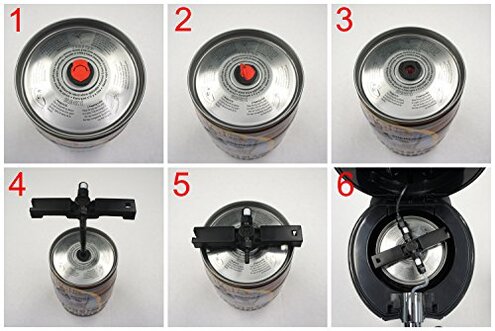
Why does it feel picky about kegs and harder to set up than the listing implies?
Friction starts at setup when the keg fits but the experience still isn’t smooth. This is a secondary-to-edge issue depending on which 5L keg you buy, yet it can be a deal-breaker because you don’t want a compatibility project.
- Pattern shows up as repeated “works with this keg, struggles with that keg” experiences.
- When it hits is the first time you try a new mini-keg brand or style.
- Condition that worsens it is swapping kegs often, which increases chances of a finicky fit or pour.
- Buyer time cost is extra setup checks before you can serve anything.
- Expectation gap is that “accepts 5L kegs” sounds universal, but real-world use can feel narrower.
- Category contrast is that a typical mid-range alternative is often more plug-and-pour with common mini kegs.
Illustrative excerpts below are not real quotes, but reflect recurring buyer phrasing patterns.
- “First night was all foam, then it calmed down later.” Primary pattern tied to first-use dialing-in.
- “Display says cold, but the beer tastes not that cold.” Primary pattern tied to cooling expectations.
- “I burned a cartridge trying to fix the pour.” Secondary pattern tied to pressure fiddling.
- “Works with one mini keg, fights me on another.” Secondary pattern tied to compatibility.
- “More setup steps than I expected for a countertop unit.” Edge-case pattern tied to learning curve tolerance.
Who should avoid this
Skip this if you want a simple “tap it and pour” experience with minimal tuning, because first-pour frustration appears repeatedly after setup.
Avoid if you are very picky about ice-cold beer, since cooling satisfaction is a commonly reported gap during longer use.
Pass if you hate ongoing consumables management, because cartridge upkeep can feel higher effort than typical mid-range units.
Don’t buy if you plan to rotate many different 5L mini-keg brands, because compatibility can feel pickier than the headline suggests.
Who this is actually good for
Good fit if you enjoy tinkering and don’t mind spending a few sessions learning pressure and temperature balance.
Works for occasional use where you can pre-chill and plan ahead, accepting that cooling may need extra time.
Fine for buyers who stick to one known mini-keg type and don’t experiment often, reducing fit surprises.
Okay if you treat cartridges as normal operating cost and keep spares on hand for continuity during a party.
Expectation vs reality
- Expectation reasonable for this category is a few test pours, then stable flow. Reality can be more trial-and-error during first use.
- Expectation is the temperature display matches how cold the beer tastes. Reality can feel warmer than the number implies during serving.
- Expectation is “accepts 5L kegs” means low-risk swapping. Reality can be a pickier experience across keg styles.
| You expect | You may notice |
|---|---|
| Quick setup for a countertop dispenser | Extra steps and more tuning before the first good pour |
| Cold servings for a full session | Temp drift depending on room and usage pattern |
Safer alternatives
- Choose a mini kegerator known for steadier cooling if cold consistency is your top priority.
- Prefer models with a reputation for easier first-time setup to reduce foam risk during your first keg.
- Look for more forgiving compatibility if you plan to try many keg types, minimizing picky fit scenarios.
- Budget for consumables up front or pick a system with simpler gas management to avoid cartridge churn.
The bottom line
Main regret trigger is pouring trouble and temperature disappointment that shows up after setup, right when you expect easy “pub-style” results. That risk can exceed normal category tolerance because it combines serving inconsistency with extra CO2 attention. Verdict is to avoid it unless you’re comfortable tuning, waiting, and keeping cartridges handy.
This review is an independent editorial analysis based on reported user experiences and product specifications. NegReview.com does not sell products.