
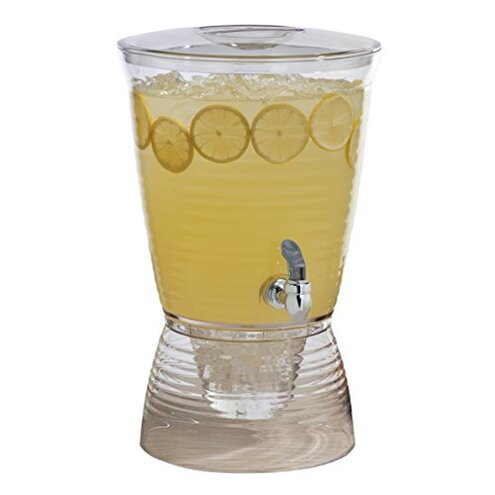
Product evaluated: CreativeWare Bark Beverage Dispenser, 2.5 Gallon, Clear, (Pack of 1)
Related Videos For You
How to replace and fix leaky water beverage cooler spigot video #igloo #watercooler #cooler #leak
How To Clean Your Water Dispenser | Water Cooler (2022)
Data basis for this report comes from dozens of aggregated buyer posts collected from written reviews and Q&A threads, spanning 2011–2026. Most of the usable signal came from longer written complaints about day-of-event use, with supporting detail from short troubleshooting exchanges. The focus here is on repeated negative patterns that show up across different buyer scenarios.
| Buyer outcome | This dispenser | Typical mid-range alternative |
|---|---|---|
| Leak risk | Higher chance of drips during serving once filled. | Moderate drips, usually fixed by tightening or a washer swap. |
| Spigot reliability | Less forgiving if alignment is slightly off after setup. | More tolerant of minor misalignment and repeated use. |
| Event readiness | More prep needed to test, rinse, and re-seat parts. | Lower prep if you do a quick rinse and a fill test. |
| Stability when full | Mixed reports about wobble depending on surface. | Typically steadier due to wider bases or heavier builds. |
| Regret trigger | Finding a puddle under it mid-party. | Annoying drips, but less likely to become a cleanup problem. |
Top failures
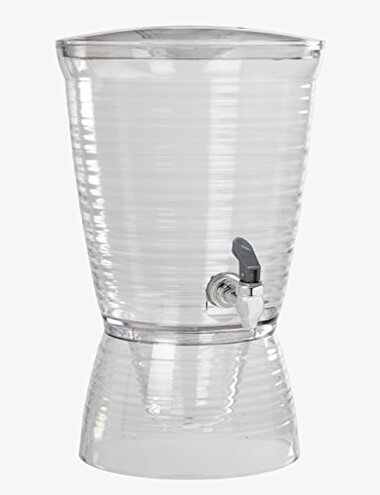
“Why is it still dripping even with the ‘no-drip’ spigot?”
The regret moment tends to hit after you fill it and walk away, then come back to a damp table or sticky floor. This is a primary issue in aggregated complaints, and it is more disruptive than expected for a basic beverage dispenser.
Not universal, but it appears repeatedly in use cases like parties where the spigot gets frequent taps. In this category, some minor dripping is normal, but buyers describe this as harder to tame than typical mid-range dispensers.
Illustrative excerpt: “I tightened everything and it still left a small puddle.”
Pattern tag: primary because drip reports recur across event-style use.
- When it shows up: after setup and a full fill, especially during continuous serving.
- Repeat signal: dripping is a recurring theme rather than a one-off complaint.
- Likely trigger: spigot seating and seal contact can be finicky if anything is slightly misaligned.
- Impact: even slow drips become sticky mess with juice, tea, or sweet drinks.
- Workarounds: buyers commonly resort to a catch cup or paper towels under the spout.
- Fixability: some improve results by re-seating and re-tightening, but others report it persists.
“Do I really have to ‘baby’ the spigot to stop leaks?”
The hidden requirement that frustrates people is the need for extra testing before any real event use. This is a secondary issue, but it becomes a big deal when you expected an easy, one-wash-and-go dispenser.
- Early sign: you notice tiny seepage right after the first fill test.
- Frequency tier: shows up repeatedly, though not as often as outright dripping complaints.
- Worsens when: the spigot is opened and closed a lot in long sessions.
- Extra steps: you may need to dry-check the area around the spigot, then re-tighten.
- Category contrast: most mid-range dispensers tolerate casual setup, but this one is described as less forgiving.
- Time cost: buyers mention it adds pre-party chores when you are already busy.
- Mitigation: a water-only trial first reduces the chance of a sugary spill.
Illustrative excerpt: “It’s fine if you test it first, but not straight out of the box.”
Pattern tag: secondary because it clusters around careful users and event prep.
“Why does it feel wobbly or awkward once it’s full?”
- Regret moment: the first time you move it while full, it can feel top-heavy.
- Pattern note: stability complaints are less frequent but persistent in party setups.
- When it happens: during countertop serving, especially on uneven tables or folding tables.
- Why it matters: wobble makes spigot use feel sketchy, which increases spill risk.
- Category contrast: many mid-range units feel steadier due to weight or footprint.
- Mitigation: placing it on a flat tray or firm surface reduces rocking.
- Hidden hassle: you may need a dedicated spot and shouldn’t plan to move it mid-event.
- Fixability: it is partly environment-driven, so results vary by table and how full it is.
Illustrative excerpt: “Once it’s filled, I don’t want to touch it again.”
Pattern tag: edge-case because it depends heavily on surface and handling.
“Is cleaning and refilling more annoying than it should be?”
- Common gripe: cleanup feels more involved because the spigot area needs attention.
- When it shows: after sweet drinks sit for hours and the spigot is used repeatedly.
- Scope signal: this appears across multiple buyer scenarios, not just one type of beverage.
- Category contrast: mid-range dispensers still need cleaning, but buyers expect simpler rinsing than described here.
- Mess driver: small drips turn into sticky residue that takes extra wiping.
- Mitigation: doing a quick flush through the spigot right after use reduces buildup.
- Trade-off: you gain a large 2.5 gallon capacity, but you may pay it back in effort.
Illustrative excerpt: “The spout area is the part that takes the longest.”
Pattern tag: secondary because it’s strongly tied to drip-prone use.
Who should avoid this
- Event hosts who need a dispenser that is spill-proof without repeated testing.
- Busy households that want low upkeep and quick cleanup after daily use.
- Users of sweet drinks who will hate sticky drips and extra wiping.
- Anyone serving on folding tables who can’t tolerate wobble risk when guests use the spigot.
Who this is actually good for
- Planners who will do a water test and re-seat the spigot before serving anything.
- Low-traffic setups where the spigot is used occasionally, not nonstop for hours.
- Hosts using trays who already plan for a catch surface under dispensers.
- Capacity-first buyers who accept extra prep steps to get 2.5-gallon serving.
Expectation vs reality

Expectation: A “no-drip” spigot should stay dry during normal party serving.
Reality: Dripping is a primary complaint, and it can require extra testing and positioning.
- Reasonable for category: a little upkeep after sugary drinks is normal.
- Worse-than-expected: the spigot area can demand more attention than typical mid-range dispensers.
Expectation: You can fill it, set it down, and it will feel stable.
Reality: stability is mixed, and surface choice can matter more than buyers expect.
Safer alternatives
- Prioritize dispensers with widely reported leak-free spigots to neutralize the drip pattern.
- Choose a model with a replaceable seal so a minor leak doesn’t become a permanent annoyance.
- Look for a wider footprint or heavier base for better stability on folding tables.
- Pick designs with easier spigot access for faster cleaning if you serve sweet drinks.
The bottom line
Main regret trigger is unexpected dripping during real serving, not just during setup. That risk is higher-than-normal for this category because the fix often involves extra steps and continued monitoring. If you need stress-free event serving, avoid and choose a more forgiving mid-range dispenser design.
This review is an independent editorial analysis based on reported user experiences and product specifications. NegReview.com does not sell products.