
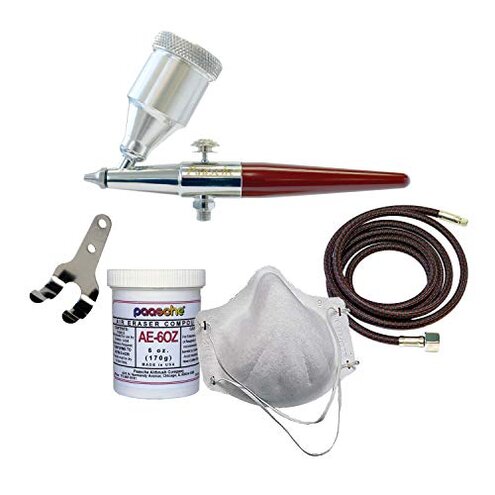
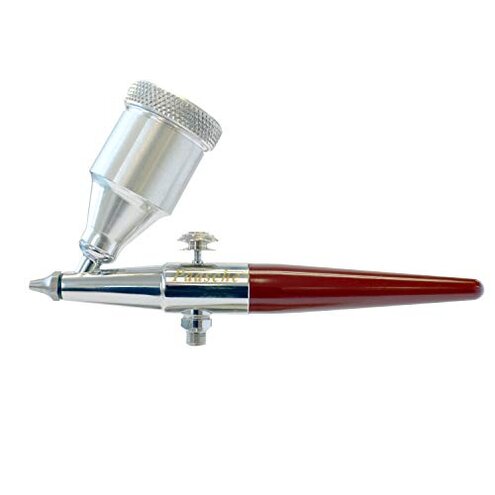
Product evaluated: Paasche Airbrush AEC-K Air Eraser Etching Tool
Related Videos For You
Demo of Harbor Freight Air Eraser - Sandblasting
How to Maintain Your Tools | eReplacementParts.com
Data basis: This report draws from dozens of buyer comments collected from written feedback and hands-on demonstration style feedback between 2023 and 2026. Most input came from written reviews, with added context from visual use examples, which helps separate first-use setup complaints from longer-term daily-use frustration.
| Buyer outcome | Paasche AEC-K | Typical mid-range alternative |
|---|---|---|
| Setup ease | Higher effort; recurring complaints center on dialing in air pressure and media flow before useful results. | More forgiving; usually easier to get acceptable results after basic setup. |
| Clog risk | Above normal; among the most common complaints during early use and after pauses. | Moderate; clogs still happen, but less often feel session-ending. |
| Mess control | Touchy; abrasive spray can spread farther than expected during bench work. | Typical; still messy, but usually easier to contain. |
| Learning curve | Steeper; hidden requirement is more practice than many buyers expect from this category. | Average; still requires practice, but results come faster for casual users. |
| Regret trigger | Buying for quick detail work and then losing time to tuning, cleanup, and interrupted flow. | Usually lower; frustration more often stays within normal hobby-tool expectations. |
Why does it feel hard to get clean results fast?
Primary issue: The regret moment usually happens on first use, when buyers expect precise etching but get uneven blasting, weak flow, or too much material at once. This appears repeatedly and is more disruptive than expected for a detail-focused tool.
Trade-off: Air erasers already need some tuning, but this one is often described as less forgiving than a typical mid-range option. That matters most when you want quick, controlled marks instead of a practice session.
- Pattern: A recurring theme is that acceptable results often come only after several adjustment attempts.
- When: The issue shows up right after setup, especially when switching from normal airbrush expectations to abrasive use.
- Trigger: It worsens when buyers try fine detail work without a lot of test passes first.
- Impact: Missed lines and uneven etching can waste the work surface and add restart time.
- Baseline: That is worse than normal because many mid-range alternatives are easier to tune into usable performance.
Illustrative: “I wanted small clean lines, but spent more time adjusting than etching.” Primary pattern.
Why does clogging become such a session-killer?
- Frequency tier: This is a primary complaint and appears repeatedly across different use styles.
- Usage moment: It commonly shows up after setup and during longer sessions, especially once flow starts to feel inconsistent.
- Early sign: Buyers often notice sputtering or fading output before the tool stops working the way they expected.
- Severity: It is more frustrating than expected for this category because it interrupts detail work instead of merely slowing it.
- Worsens when: Pauses, restarts, and less-than-ideal pressure tuning seem to make the problem harder to manage.
- Time cost: Cleanup and restarting add extra steps, which can erase the convenience of a small bench tool.
- Fixability: The issue is not universal, but repeated reports suggest it often needs careful maintenance habits to stay usable.
Illustrative: “It works, then sputters, then I have to stop and clear it again.” Primary pattern.
Why does this create more mess than buyers expect?
Secondary issue: Abrasive tools are never clean, but this one is often described as messier in normal hobby spaces than buyers expect from product photos. The frustration usually appears during real bench use, not during unboxing.
Hidden requirement: Many buyers seem to underestimate how much containment and workspace protection this tool needs. That pushes it beyond normal category inconvenience for casual users.
- Spread: Reports commonly mention abrasive getting beyond the immediate work area.
- Where: The problem gets worse in small indoor spaces and on shared workbenches.
- Consequence: Cleanup takes longer, and some buyers limit use because setup feels like too much trouble.
- Category contrast: Some mess is normal, but the effort to contain it feels higher than expected for occasional projects.
Illustrative: “I didn’t expect to protect so much of my workspace for one small job.” Secondary pattern.
Why do casual users bounce off it so quickly?
- Pattern: A persistent but not universal theme is disappointment from buyers expecting simple plug-in convenience.
- Hidden need: This tool often rewards buyers who already understand pressure tuning, media behavior, and test-first workflow.
- When: The gap shows up on first projects, especially when the user comes from standard paint airbrush use.
- Why worse: That learning curve feels steeper than reasonable for this category because mistakes also create clogs and mess.
- Result: Buyers wanting occasional quick jobs may shelve it after the novelty wears off.
- Less frequent: This is less frequent than clog complaints, but more frustrating when the purchase was meant to save time.
- Mitigation: Experienced hobby users seem more willing to accept the setup burden because they expect trial runs.
- Regret point: The main regret is paying tool-level money for something that behaves like a practice-heavy specialty item.
Illustrative: “This feels more like a hobby experiment than a quick-use detail tool.” Secondary pattern.
Who should avoid this
- Avoid it if you want clean detail work on the first try, because setup sensitivity is a primary issue and exceeds normal category tolerance.
- Skip it if you hate maintenance interruptions, since recurring clog complaints often show up during actual work sessions.
- Pass if you work in a tight indoor space, because the mess-control burden appears higher than many casual buyers expect.
- Not ideal if you only use specialty tools occasionally, because the learning curve can outweigh the benefit of owning it.
Who this is actually good for
- Better fit for experienced air tool users who already expect pressure tuning and test passes before touching the final surface.
- Works best for buyers with a dedicated workspace who can tolerate extra containment and cleanup.
- Good match for hobbyists willing to trade convenience for fine abrasive capability and do not mind periodic maintenance.
- More suitable for patient users who see the setup burden as part of the process, not as a product failure.
Expectation vs reality
Expectation: A reasonable hope for this category is quick detail etching after basic setup.
Reality: Repeated feedback suggests this model often needs more tuning, more test runs, and more interruption management than that.
Expectation: Small hand tools should feel easy to use in a normal hobby corner.
Reality: The abrasive mess and containment needs can make small jobs feel bigger than planned.
Expectation: If clogs happen, they should be occasional and easy to recover from.
Reality: Here, clogging is among the most common complaints and can derail the session rather than briefly slow it.
Safer alternatives
- Choose easier-flow models if your main concern is clogging, because a more forgiving feed system can reduce stop-and-clean cycles.
- Prioritize beginner-friendly kits if you want fast results, since they usually shorten the setup learning curve that frustrates casual buyers here.
- Look for enclosed-use options if workspace mess is a major concern, because that directly addresses the above-normal containment burden.
- Buy by workflow rather than brand if you only do occasional projects, and favor tools known for simple startup over maximum precision claims.
The bottom line
Main trigger: Buyers regret this purchase when they expect quick, precise etching and instead get a tool that demands tuning, cleanup, and patience. Why avoid: That exceeds normal category risk because the common complaints stack together: setup sensitivity, clogging, and messy use. Verdict: If you are not ready for a specialty-tool learning curve, this is a product to approach cautiously or skip.
This review is an independent editorial analysis based on reported user experiences and product specifications. NegReview.com does not sell products.