
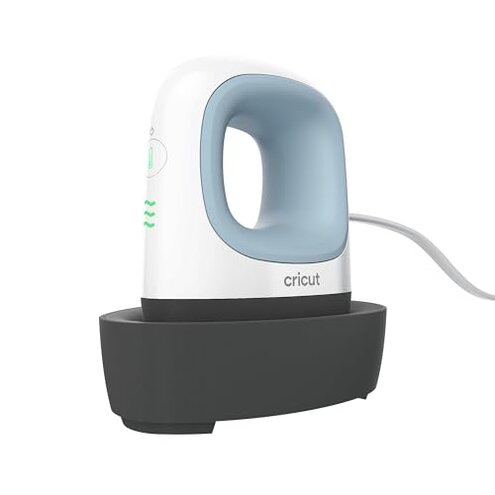
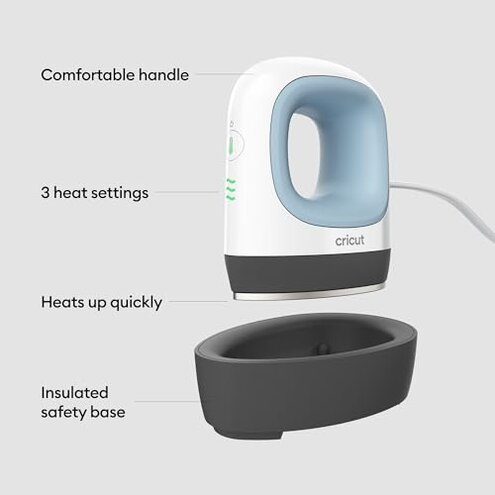
Product evaluated: Cricut EasyPress Mini for Heat-Pressing Small Objects like Shoes, Stuffed Animals, Hats and More, Features 3 Heat Settings & Precision Tip, Ceramic-Coated Heat Plate, Compact & Lightweight, Zen Blue
Related Videos For You
Iron-On Vinyl For Beginners Using The Cricut EasyPress Mini
Small Hat Heat Press with Curved Heat Plate | Easy to Store & Works Great!
Data basis: This report draws from dozens of buyer comments collected from written feedback and video-style demonstrations between 2022 and 2026. Most feedback came from written impressions, with smaller support from hands-on clips and update-style follow-ups that helped show what happens during setup and repeated crafting use.
| Buyer outcome | Cricut EasyPress Mini | Typical mid-range alternative |
|---|---|---|
| Learning curve | Higher risk of trial-and-error on curved or tiny items. | Moderate adjustment period, usually easier on flat surfaces. |
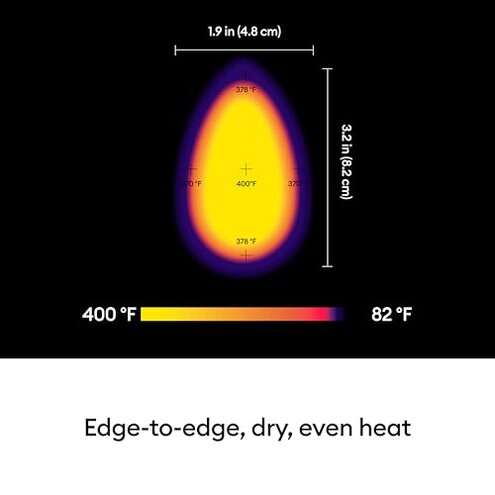
| Heat coverage | Less forgiving because the small plate needs more passes. | More even coverage on most simple transfers. |
| Project speed | Slower on anything larger than very small details. | Faster for shirts, patches, and repeat jobs. |
| Consistency | Higher-than-normal risk of uneven results during daily hobby use. | Typical risk, with fewer touch-up passes. |
| Regret trigger | Buying it as a general heat press instead of a niche tool. | Usually regretted only if storage space is the main problem. |
Why are my transfers patchy even when I follow the steps?
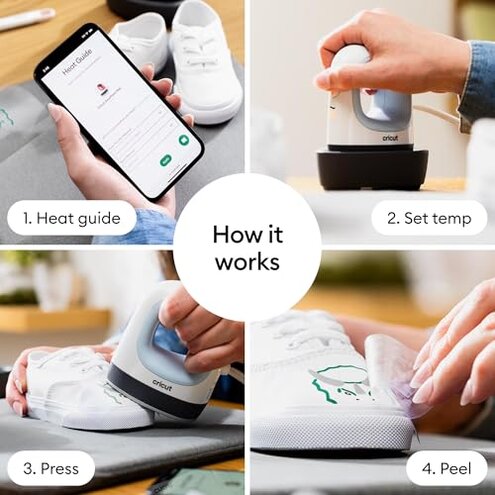
This is a primary issue and among the most common complaints for mini heat tools. The regret moment usually shows up on first projects, when buyers expect one-pass results and get uneven adhesion instead.
The pattern appears repeatedly during work on shoes, hats, stuffed items, and other curved surfaces where this tool is supposed to help most. That trade-off feels worse than normal because a dedicated press should reduce guesswork, not add extra passes.
- Early sign: small edges lift first after the item cools.
- When it hits: it shows up during first use and gets worse on textured or rounded spots.
- Frequency tier: this is the primary pattern, not a rare one-off frustration.
- Why it happens: the compact plate covers very little area, so pressure and timing vary from pass to pass.
- Buyer impact: you spend extra time reheating sections and still may not trust the finished hold.
Illustrative: “I pressed it twice, but one corner still peeled back.”
Pattern: This reflects a primary complaint about inconsistent adhesion.
Does the small size create more work than it saves?
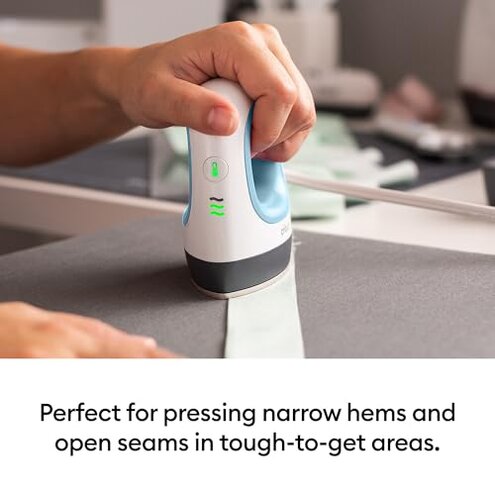
- Scope: this secondary issue shows up across multiple feedback types, especially once buyers try more than tiny logos.
- Usage moment: the problem becomes obvious during longer sessions or batch crafting, when repeated repositioning adds time.
- Category contrast: mini tools are expected to be slower, but this often feels more disruptive than expected because many buyers treat it like a general-purpose press.
- Hidden cost: each project can take more attention because you must overlap sections carefully to avoid missed spots.
- Frustration point: a shirt, larger patch, or layered design quickly turns into several careful passes.
- Fixability: this improves only if you limit use to extra-small details and accept the slower workflow.
Illustrative: “Cute size, but it took forever to finish one simple project.”
Pattern: This matches a secondary complaint about speed and coverage.
Why does this feel less simple than the product page suggests?
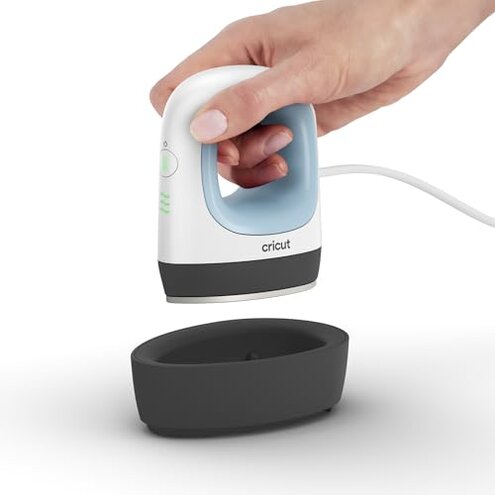
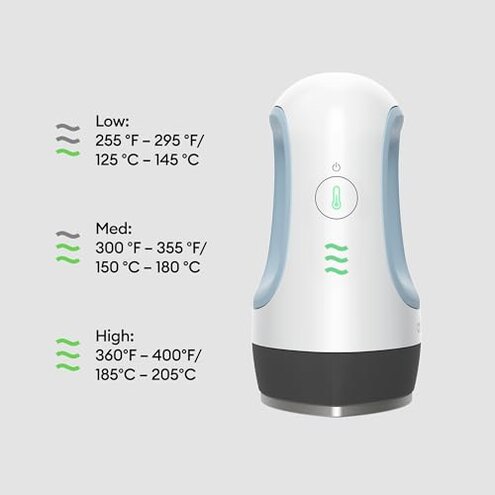
This is a recurring issue, especially for first-time crafters who expect the three settings to remove most guesswork. The friction starts after setup, when buyers realize the heat setting is only one part of the result.
A hidden requirement appears during real use: you still need careful motion, timing judgment, and project-specific technique. That feels worse than a normal category learning curve because the product is marketed as easy for hard-to-reach spaces.
Not universal, but persistent enough to matter, this problem grows when users switch between iron-on, sublimation-style transfers, and different item shapes. A mid-range flat press is usually less demanding because the contact area is easier to control.
Mitigation exists if you already enjoy testing scraps first and adjusting by material. If you want plug-and-play results, the extra decisions can feel like avoidable hassle.
Illustrative: “I thought three heat settings meant less guessing, not more.”
Pattern: This reflects a primary ease-of-use complaint.
Is this only good for niche projects?
- Pattern: this issue is less frequent than uneven adhesion, but more frustrating when expectations are broad.
- When it appears: the mismatch shows up right after unboxing, once buyers compare real project size to the tiny press area.
- Main regret: people buying one tool for hats, shoes, stuffed animals, and standard iron-on work often find the range narrower than expected.
- Category baseline: specialty presses normally trade versatility for access, but this one can feel less versatile than many buyers assume from the marketing examples.
- Daily effect: you may keep reaching for a larger press or iron for ordinary tasks, which reduces the value of this purchase.
- Best-case workaround: treat it as a companion tool, not your main heat tool.
- Who notices most: newer crafters and gift buyers tend to feel this limitation more strongly.
Illustrative: “Great for tiny spots, but useless for most of what I make.”
Pattern: This represents a secondary fit-for-purpose complaint.
Who should avoid this
- Avoid it if you want one heat tool for both small crafts and regular shirt projects.
- Skip it if you hate test runs, because uneven transfer results are a primary risk during early use.
- Pass if you craft in batches, since the small plate adds extra passes and slows repeat work.
- Look elsewhere if you are new to heat transfers and want the most forgiving setup possible.
Who this is actually good for
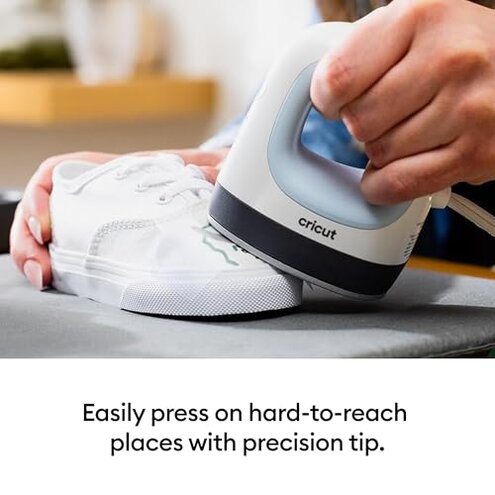
- Good fit for crafters who already own a larger press and need a companion for seams, shoes, or tight curves.
- Works better for buyers willing to tolerate slower speed in exchange for access to awkward small areas.
- Makes sense if storage space is very limited and your projects are truly tiny most of the time.
- Best case is a patient hobby user who accepts trial-and-error as part of custom crafting.
Expectation vs reality
- Expectation: a mini press should be simple for tiny jobs.
Reality: it is often precise only after extra practice, especially on curved surfaces. - Expectation: three settings should cover most projects without much confusion.
Reality: buyers commonly still need scrap testing, motion control, and repeat passes. - Expectation: reasonable for this category is slower speed but acceptable consistency.
Reality: the consistency risk can feel worse than expected because missed spots are easy to create. - Expectation: one compact tool can handle many gift-style items.
Reality: it works best as a niche helper, not a broad replacement for a larger press.
Safer alternatives
- Choose a larger plate if your real projects include shirts or medium patches, because that directly reduces the multi-pass problem.
- Pick a flatter press if you want more even one-pass coverage, which helps neutralize the patchy adhesion risk.
- Look for guided settings if you are a beginner, because hidden technique demands are a major regret trigger here.
- Buy a companion setup only if you already own a main press, since this tool is safer as a specialty add-on.
The bottom line
Main regret usually starts when buyers expect this mini press to behave like a general heat press. The small working area creates a higher-than-normal risk of uneven results and extra time, especially during first use and on anything beyond tiny details.
Verdict: avoid it if you need one forgiving tool for many projects. It makes more sense only as a secondary niche tool for careful users who already accept trial-and-error.
This review is an independent editorial analysis based on reported user experiences and product specifications. NegReview.com does not sell products.