
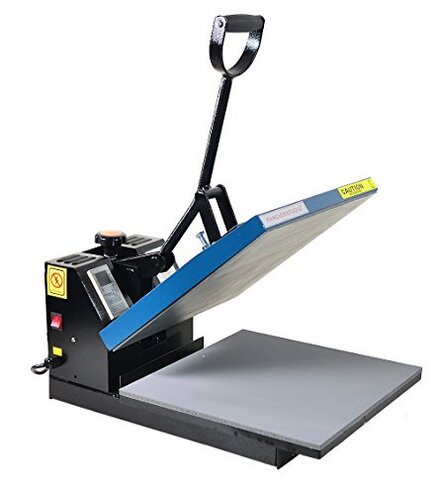
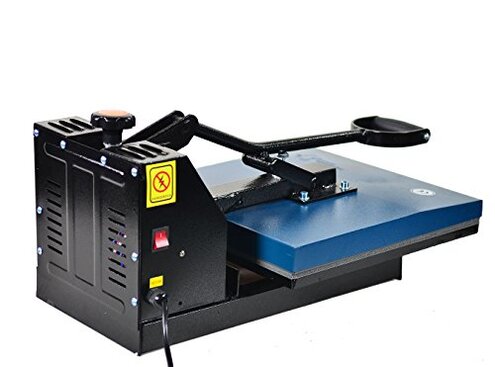
Product evaluated: Fancierstudio Heat Press 15x15 - Digital Sublimation & Rhinestone T-Shirt Press (Clamp Shell) (FS15x15 BBP Pull Out)
Related Videos For You
How To Heat Press A T-Shirt 101 - Easy Tutorial
Clamshell Heat Press Timer Troubleshooting - Dye Sub Business -
Data basis: This report draws on dozens of buyer comments collected from written feedback and video-style demonstrations between 2023 and 2026. Most signals came from written reviews, with added context from hands-on setup clips and usage notes, so the strongest patterns reflect what people noticed during first setup and repeated pressing.
| Buyer outcome | Fancierstudio 15x15 | Typical mid-range alternative |
|---|---|---|
| First-day setup | Higher effort because users often need to learn pressure and heat behavior by trial and error. | Usually easier with more forgiving setup and fewer early adjustments. |
| Daily workflow | Mixed convenience because the pull-out platen helps loading, but repeated repositioning can still slow beginners. | More predictable for routine shirt pressing once dialed in. |
| Consistency risk | Higher-than-normal category risk when buyers expect plug-and-play results. | Moderate inconsistency is still possible, but usually with less tuning. |
| Long-session comfort | More tiring for users doing batches, especially if pressure and timing need frequent correction. | Less draining during repeated runs at similar settings. |
| Regret trigger | Best avoided if you want reliable results without learning curve or extra setup patience. | Lower regret for casual buyers wanting smoother first-use success. |
Why does it feel harder than expected to get clean first presses?
This is a primary issue. The most common frustration is not a total failure. It is the extra time needed to dial in pressure, temperature, and timing after setup.
The regret moment usually happens on first use or the first few projects. Buyers expecting mid-range heat presses to be more forgiving often find this one less predictable than normal.
- Pattern: This appears repeatedly across feedback, though not every buyer struggles equally.
- When: It shows up during setup and early practice runs, especially when moving between transfer types.
- Severity: It is more disruptive than expected for this price tier because wasted shirts and re-pressing add cost fast.
- Early sign: If your first few transfers need constant tweaks, the learning curve is already showing.
- Impact: The machine can turn a simple craft session into trial and error instead of repeatable work.
- Fixability: Results often improve with practice, but that hidden requirement defeats the plug-and-play expectation.
Illustrative excerpt: “I thought I could start selling shirts fast, but setup took all weekend.”
Pattern level: This reflects a primary pattern.
Does the pull-out design solve workflow problems, or add new ones?
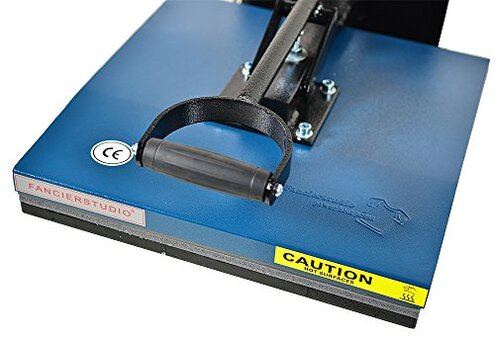
- Trade-off: The pull-out platen is a real convenience feature, but it is also a secondary source of frustration.
- Pattern: Complaints are persistent, though less frequent than setup inconsistency.
- When: It matters during daily use when loading shirts quickly or doing repeat jobs.
- Worsens when: The issue feels bigger in batch work, where every extra alignment step slows output.
- Why worse: Mid-range presses usually save time once learned, but this setup can feel less smooth than expected for beginners.
- Buyer impact: The feature helps safety and access, yet some users still end up rechecking placement more than they wanted.
- Mitigation: It suits people who can accept slower pacing while learning repeat positioning.
Illustrative excerpt: “The slide-out helps, but I still stop to realign everything each shirt.”
Pattern level: This reflects a secondary pattern.
Why do long pressing sessions become more annoying than they should?
This is another primary issue. Once buyers move from test pieces to several shirts, small setup problems become bigger time losses.
The usage context is easy to recognize. A machine that feels acceptable for one item can feel tiring during repeated use, especially when pressure or timing needs more correction.
- Frequency tier: This is a primary complaint among people using it for multiple items at a time.
- Context: It shows up after setup, not just on day one, when buyers try to build a routine.
- Worsens when: Frustration grows in long sessions because repeated checks add extra steps.
- Category contrast: That is worse than a typical mid-range press, which should become more predictable once settings are established.
- Hidden cost: The main loss is time, followed by wasted blanks from imperfect first attempts.
- Buyer response: Some people adapt by slowing down, which helps quality but cuts productivity.
- Fixability: Improvement is possible, but it often requires patience beyond what casual users expect.
- Risk level: It is not the most dramatic failure, but it is more frustrating over time.
Illustrative excerpt: “One shirt was fine, but a batch made every small annoyance obvious.”
Pattern level: This reflects a primary pattern.
Is the short warranty a bigger concern than it first seems?
- Signal: This is an edge-case issue, but it matters because the stated warranty is only 90 days.
- When: Concern usually appears after purchase once buyers realize the coverage window is brief.
- Why it matters: On a tool with a learning curve, some users spend part of that period just figuring it out.
- Category contrast: That can feel less forgiving than expected, since mid-range tools are often judged on longer-term confidence.
- Impact: Even if no defect appears, the short coverage can make buyers feel rushed to test everything quickly.
- Mitigation: It is less risky for buyers who plan heavy early use and can confirm performance fast.
Illustrative excerpt: “I had to test it hard right away because the coverage window felt short.”
Pattern level: This reflects an edge-case pattern.
Who should avoid this
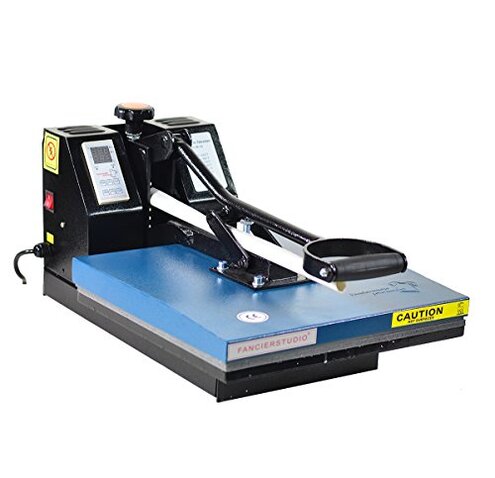
- Avoid it if you want a heat press that feels easy on the first day, because the setup learning curve is higher than many expect.
- Avoid it if you run shirt batches and need smooth repeat speed, because long sessions can make the adjustment burden feel worse.
- Avoid it if you hate trial and error, since pressure and timing tuning appear repeatedly in buyer feedback.
- Avoid it if short coverage makes you nervous, because the 90-day warranty leaves less room for a slow learning period.
Who this is actually good for
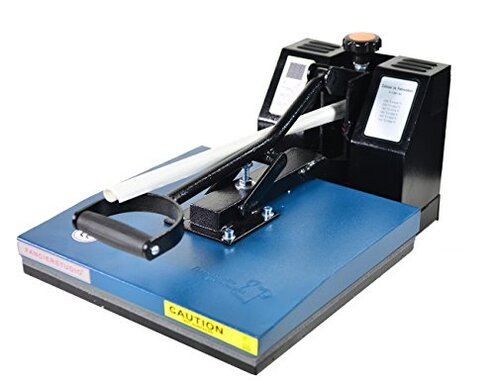
- Good fit for hobby users willing to practice, because the lower price can offset the extra setup time.
- Good fit for patient beginners who value the pull-out platen and do not mind slower early projects.
- Good fit for buyers testing small runs, where the workflow annoyances matter less than in batch production.
- Good fit for tinkerers who accept a learning curve as part of getting decent results from budget equipment.
Expectation vs reality
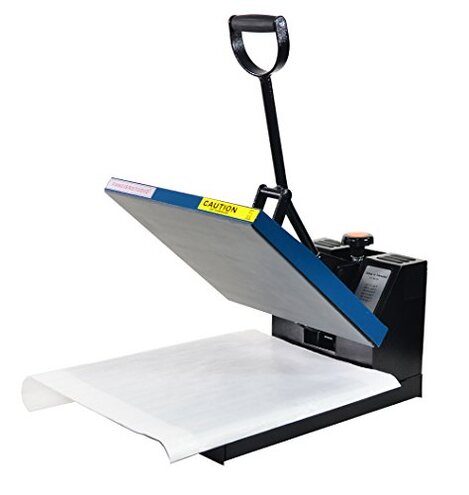
Expectation: A reasonable mid-range heat press should be fairly forgiving after a short setup.
Reality: This one appears to need more trial and error than many buyers expect.
Expectation: A pull-out surface should make work faster.
Reality: It helps access, but some users still lose time to repositioning and repeated checks.
Expectation: Once settings are found, repeat jobs should feel steady.
Reality: Long sessions can expose small inconsistencies that feel more annoying than normal.
Expectation: A machine in this range should leave buyers feeling covered while they learn.
Reality: The 90-day warranty can make that learning window feel tight.
Safer alternatives
- Choose models with a reputation for easier first-use setup if you want to avoid the biggest regret trigger here.
- Prioritize presses known for consistent repeat jobs if you plan to run batches instead of one-off crafts.
- Look for longer coverage if you want more time to test performance without rushing during the early ownership period.
- Watch setup videos for any similar clamshell press before buying, because this category punishes buyers who expect instant results.
- Buy for workload rather than platen size alone, since convenience features do not always remove alignment and pacing frustrations.
The bottom line
The main regret trigger is the extra setup and adjustment work needed to get reliable results. That exceeds normal category risk because a typical mid-range alternative is usually more forgiving during first use and less tiring in repeat sessions. Avoid this one if you want smooth, low-hassle pressing from day one. It makes more sense only for patient buyers who accept practice as part of the deal.
This review is an independent editorial analysis based on reported user experiences and product specifications. NegReview.com does not sell products.