
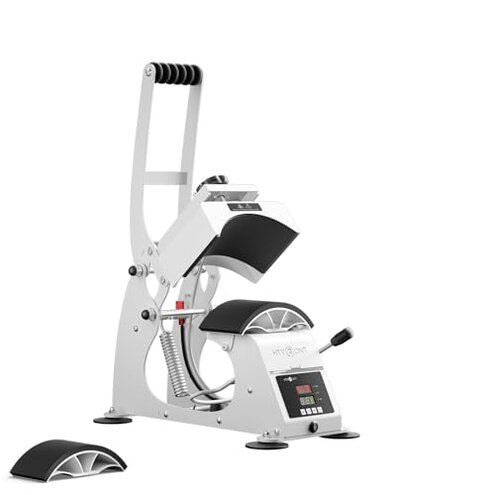
Product evaluated: HTVRONT Hat Press Machine - Hat Press Heat Machine for Caps with 2 Platens & Caps Stretcher, White Hat Heat Press Machine for Caps with Memory Mode and Non-Slip Base for Heat Transfer Vinyl
Related Videos For You
Cricut Hat Press: Your Ultimate Guide
Using mini heat press to print DTF transfer onto cap!#shorts
Data basis: This report uses dozens of buyer feedback signals collected from written ratings, short comments, and video-style demonstrations from January 2025 to April 2026. Most feedback came from written impressions, with added context from visual setup and use examples, which helps separate first-use trouble from repeat-use frustrations.
| Buyer outcome | This hat press | Typical mid-range alternative |
|---|---|---|
| First-use learning | Higher friction; setup and pressure choices can feel less intuitive during the first few projects. | Moderate friction; still requires practice, but is usually easier to dial in quickly. |
| Consistency | Mixed results; uneven transfers are a primary regret trigger when hat shape or placement is slightly off. | More forgiving; minor placement mistakes are less likely to ruin a transfer. |
| Session comfort | More effort; repeated pressing can feel more tiring than expected for this category. | Average effort; hand force is still needed, but long sessions are usually easier. |
| Hidden requirements | Higher-than-normal risk; buyers may need extra practice hats, careful pre-stretching, and trial settings. | Lower risk; still benefits from testing, but often needs fewer failed attempts. |
| Regret trigger | Ruined blanks after promising first impressions when real hats do not press as evenly as expected. | Slower learning, but fewer surprises once basic settings are learned. |
Why does it feel harder than expected to get a clean first result?
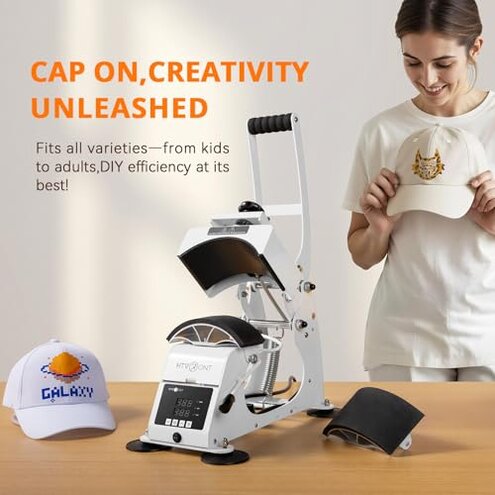
This is the primary issue. The regret moment usually happens on the first few hats, when the machine seems simple but the transfer comes out partly lifted, wrinkled, or slightly off-center.
The pattern appears repeatedly in early-use feedback, especially after basic setup. Compared with a typical mid-range hat press, it feels less forgiving when pressure and placement are not exact.
- Early sign: A test press looks acceptable, but the next hat shows patchy adhesion once the curve changes.
- When it happens: It shows up during first use and after switching between different cap shapes.
- Frequency tier: This is a primary complaint and among the most common frustrations.
- Why it stings: Mistakes cost extra vinyl, extra blanks, and extra time, which feels more disruptive than expected for this category.
- What buyers try: Users commonly retry with lower placement, slower alignment, and more careful stretching before pressing.
- Fixability: Partly fixable, but only after practice that many casual buyers did not expect to need.
- Hidden requirement: You may need sacrificial hats for testing, which adds cost before reliable results.
Illustrative: “I thought it would be plug in and press, not trial and error on every hat.” Primary pattern.
Does the pressure feel tiring or awkward during longer craft sessions?
This is a secondary issue. The frustration usually appears after several hats in one sitting, when the process starts feeling more physical than the product page suggests.
The pattern is persistent, though not universal. During longer sessions, the effort becomes more noticeable, and that feels worse than normal for buyers expecting a smoother hobby workflow.
- Session trigger: The issue shows up during repeated use, not usually on a single quick press.
- Buyer impact: Hand and arm effort can add fatigue, which slows alignment and increases mistakes late in a run.
- Category contrast: Some force is normal, but this can feel more tiring than expected for a mid-range craft press.
- Common reaction: Buyers often start spacing out projects instead of finishing a batch at once.
- Less frequent detail: It is less frequent than inconsistency complaints, but more frustrating for small business or event use.
Illustrative: “By the fifth cap, my arm was done and my alignment got sloppier.” Secondary pattern.
Why do different hat styles still need extra fiddling?
- Core problem: This is a secondary issue, where the included options help but do not remove fit adjustments.
- Real moment: It shows up after setup when moving from one cap profile to another and expecting similar results.
- Pattern signal: The complaint appears repeatedly across feedback types, especially from buyers trying multiple hat styles.
- What goes wrong: A hat can still need extra stretching, repositioning, or slower handle closing to avoid uneven contact.
- Why it feels worse: In this category, interchangeable support pieces suggest convenience, so buyers feel more disappointed when manual tweaking stays necessary.
- Time cost: The process adds extra steps before each press, which reduces output for sellers and hobby users alike.
- Fix outlook: It is manageable, but only if you accept that “fits most” does not mean “works instantly.”
Illustrative: “Every new hat shape meant resetting my whole routine again.” Secondary pattern.
Is the feature list a little more reassuring than the real experience?
- Main mismatch: This is an edge-case to secondary frustration, but it drives strong regret when expectations were set by convenience features.
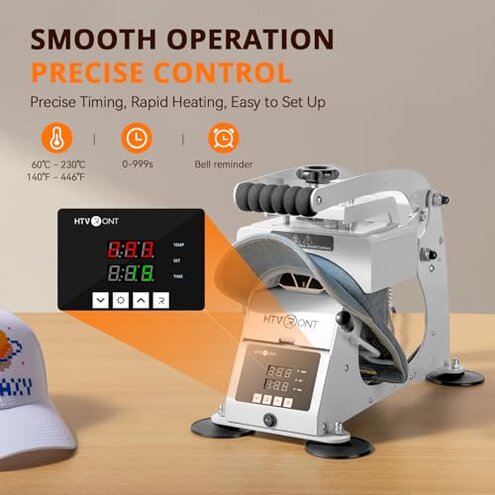
- When it appears: It usually shows up after the first few projects, once buyers realize timers and displays do not guarantee a clean transfer.
- Pattern strength: The issue is not universal, yet it appears often enough to matter for inexperienced users.
- What buyers notice: Helpful controls still do not remove the need for test runs, careful placement, and hat-specific adjustments.
- Category baseline: A mid-range press should still require some learning, but the gap between promised ease and real consistency feels wider here than many expect.
- Regret trigger: Buyers expecting a beginner-friendly shortcut are the ones most likely to feel misled.
Illustrative: “The screen was easy, but the actual pressing was still the hard part.” Edge-case pattern.
Who should avoid this
- New crafters who want reliable first-day results without burning test materials should avoid it.
- Batch sellers who press many caps in one session may find the physical effort and adjustment time too high.
- Impatient users who dislike trial settings, pre-stretching, and repeat alignment are more likely to regret it.
- Gift buyers choosing for a beginner may underestimate the hidden practice requirement.
Who this is actually good for

- Experienced crafters who already expect test presses may tolerate the setup friction and still get acceptable results.
- Occasional users making a few hats at a time may not feel the session fatigue as strongly.
- Tinkerers willing to learn hat-by-hat adjustments can work around the lower forgiveness.
- Buyers with spare blanks for practice are better positioned to absorb the early mistakes.
Expectation vs reality
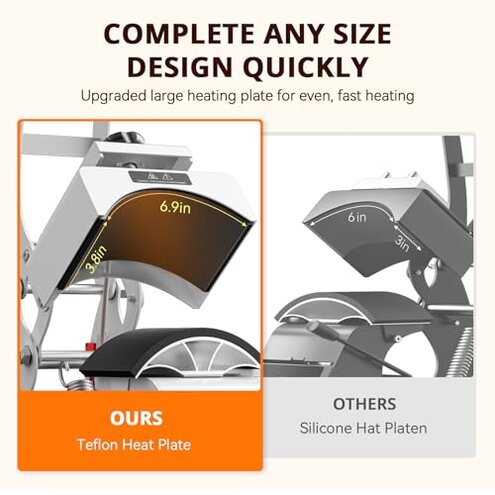
Expectation: Two platens and a timer should make setup feel straightforward for most cap projects.
Reality: Real use can still require repeated alignment changes and test attempts, especially when hat shapes change.
Expectation: Some learning curve is reasonable for this category.
Reality: The inconvenience feels worse than expected because failed transfers can happen before you know your ideal method.
Expectation: A visible display means more confidence.
Reality: Confidence improves, but consistency still depends heavily on user technique.
Safer alternatives
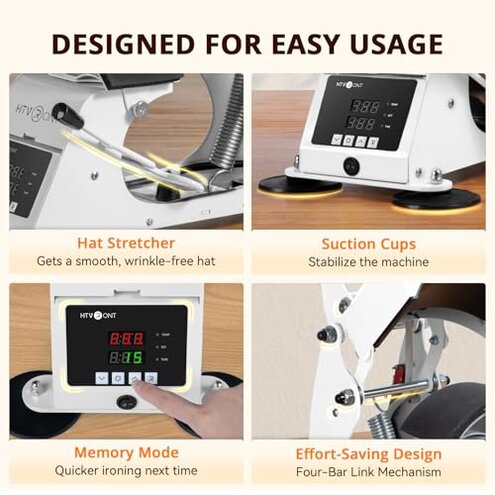
- Look for forgiveness by prioritizing a hat press known for consistent results across different cap shapes, not just included accessories.
- Choose lower-effort designs if you plan batch work, since this directly reduces the fatigue issue seen during longer sessions.
- Prefer beginner-focused models with simpler pressure behavior if you do not want a hidden practice-hat budget.
- Buy from sellers with clear support and setup guides, which helps offset the first-use trial-and-error problem.
The bottom line
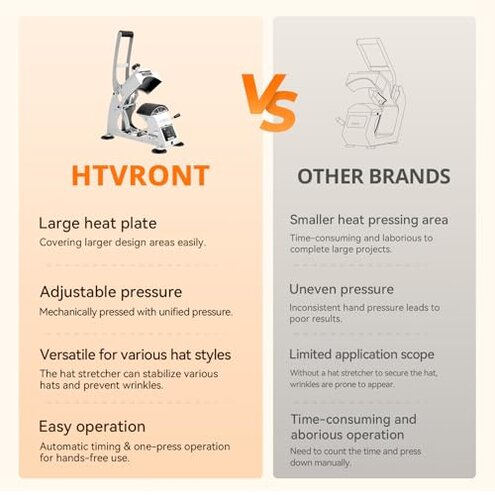
Main regret comes from the gap between easy-looking controls and the real amount of practice needed for clean, repeatable hat transfers. That risk is higher than normal for a mid-range option because small technique errors can waste time and materials quickly. Avoid it if you want a forgiving first hat press, especially for beginner or batch use.
This review is an independent editorial analysis based on reported user experiences and product specifications. NegReview.com does not sell products.