
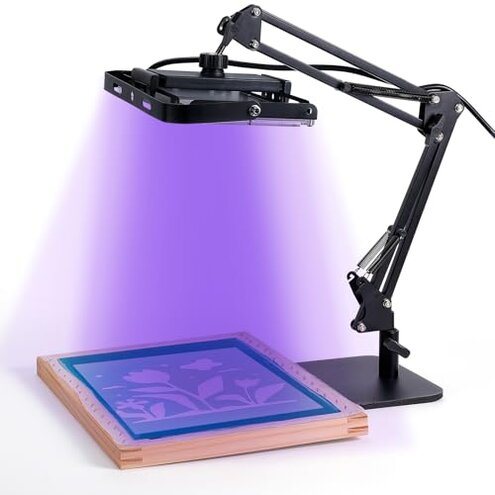
Product evaluated: Caydo 50W LED Exposure Unit for Screen Printing, UV Screen Printing Light with Retractable and Adjustable Stand for Screen Printing and Cyanotypes
Related Videos For You
How to Burn Your Own Screens from Home: Screen Print Tutorial
Data basis This report summarizes dozens of buyer comments gathered from written feedback and video-style demonstrations collected across 2023 to 2026. Most feedback came from written reviews, with supporting detail from setup-focused user clips and photo-backed posts, which helps show both first-use problems and repeat-use frustration.
| Buyer outcome | Caydo 50W unit | Typical mid-range alternative |
| Setup effort | Higher learning curve because stand position and exposure distance matter more during first setup. | Lower adjustment sensitivity in many mid-range exposure lights. |
| Consistency | Riskier if placement is slightly off, which can lead to uneven curing during actual screen prep. | More forgiving for casual users once the light is placed. |
| Work session flow | More interrupted because the maker notes use should stay under 15 minutes at a time. | Smoother for repeated back-to-back tasks in this category. |
| Category risk | Higher-than-normal sensitivity to angle, height, and timing than many buyers expect at this price. | More typical trial-and-error, but usually with less positioning fuss. |
| Regret trigger | Buying it for easy repeatable results without wanting to test distance, timing, and lamp position. | Buying for simple hobby use is usually a safer fit. |
Why are my exposures inconsistent even when I follow the basic steps?
Primary issue The most common regret is not outright failure, but inconsistent results after setup. That feels worse than expected because this category already has a learning curve, and this unit appears less forgiving than many mid-range alternatives.
Pattern This problem appears repeatedly in buyer feedback, especially during the first few projects when people are still dialing in height and exposure time. It tends to show up during real use, not assembly, and worsens when emulsion thickness or screen placement changes.
- Early sign Buyers notice one area cures faster than another, even when the process seemed simple on paper.
- Frequency tier This is a primary complaint and among the most disruptive issues because it affects whether the tool does its core job.
- Usage moment It usually appears after setup when the lamp angle or distance is changed between projects.
- Why worse Most mid-range exposure lights still need testing, but this one seems more sensitive to small setup differences than buyers expect.
- Impact Missed exposures add extra steps, wasted emulsion time, and repeat attempts before printing can even start.
- Buyer workaround Some users reduce frustration by making their own repeatable placement marks and timing notes.
- Fixability The issue is partly fixable, but only if you are willing to treat setup like a small experiment each time.
Illustrative “I got it working, but not the same way twice.” — Primary pattern
Do I need more trial and error than a beginner should?
Hidden requirement A less obvious complaint is that this light asks for more process control than its simple appearance suggests. That trade-off is more frustrating than expected for casual hobby buyers who wanted a plug-in shortcut.
- Pattern signal This is a secondary issue, but it shows up across different user situations and often connects to the consistency problem.
- When it hits It becomes obvious on first use, when buyers realize the listed 3 to 5 minute exposure is not a universal answer.
- Worsening condition It gets harder when screen coating thickness changes, or when the lamp height is adjusted for convenience.
- Category contrast Some testing is normal here, but buyers often expect a mid-range unit to be more forgiving with timing and distance.
- Hidden ask You may need test strips, repeat notes, and a more controlled workspace than the listing simplicity implies.
- Real impact Beginners can mistake process sensitivity for product failure, which creates fast disappointment.
- Mitigation This suits users who already expect calibration work, not buyers who want quick first-pass success.
Illustrative “It works, but only after more tweaking than I planned.” — Secondary pattern
Will the short run-time limit get in the way of real projects?
Secondary issue The maker’s own note says usage should stay under 15 minutes at a time, with a short wait before using it again. That is not always a deal-breaker, but it is more disruptive than expected if you batch multiple screens.
Pattern This is less frequent than uneven exposure complaints, but more frustrating when it appears because it interrupts workflow. It matters after setup, during active project sessions, especially when a buyer expected to move from one screen to the next.
Category contrast Heat limits are not unusual with lights, but needing to actively plan around session length feels like more upkeep than many mid-range alternatives. The issue becomes a regret trigger if you print in bursts and want a smoother rhythm.
- Visible effect You have to watch the clock instead of just focusing on prep and alignment.
- Best-case fit Short hobby runs are easier to manage than repeated exposures in one sitting.
- Worst-case fit Batch work makes the stop-and-wait rule feel like unnecessary friction.
- Workaround Some buyers spread exposure tasks apart, but that adds time to a process already full of steps.
Illustrative “The stop time broke my workflow more than I expected.” — Secondary pattern
Is the adjustable stand as convenient as it sounds?
- Primary trade-off The adjustable stand is useful, but it also creates more variables that can affect results after repositioning.
- Pattern signal This is a secondary complaint that often shows up alongside uneven curing concerns.
- When it happens The frustration appears during normal handling, especially if the lamp is moved between uses or shared across workspaces.
- Why worse In this category, adjustability should add convenience, but here it can also add repeatability problems.
- User-visible impact A changed height or angle can force fresh testing instead of letting you continue with your old settings.
- Less common upside-down effect The very feature meant to help fit different jobs can make the process feel less stable for beginners.
- Fixability It is manageable if you keep one repeat position, but that reduces the practical benefit of the stand.
- Regret point Buyers expecting easy flexibility may feel the setup is less convenient than the product page suggests.
Illustrative “Every time I adjusted it, I had to guess again.” — Primary pattern
Who should avoid this
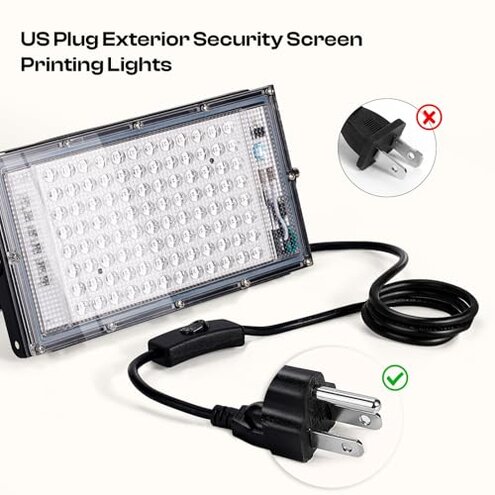
- Beginners who want fast first-time success should avoid it, because the setup sensitivity appears higher than normal for this category.
- Batch users should look elsewhere if they need longer continuous sessions without planning around a stated run-time limit.
- Low-fuss crafters may regret it if they do not want to track distance, angle, and timing between projects.
- Shared-space users may get frustrated if the light needs frequent repositioning, since that can reduce repeatable results.
Who this is actually good for
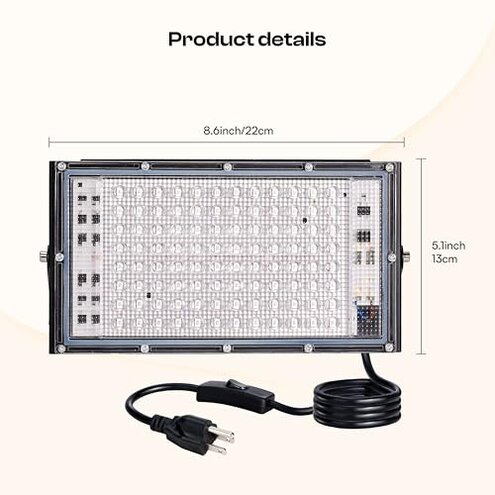
- Tinkerers who already expect test runs may be fine with it, because they are willing to trade convenience for lower upfront cost.
- Occasional hobby users doing short sessions can tolerate the run-time limit more easily than heavy repeat users.
- Fixed-workstation buyers may get better results if they plan to keep one lamp position and avoid constant adjustment.
- Process-minded users who document timing and distance can work around the unit’s lower forgiveness.
Expectation vs reality

Expectation A 50W exposure light should make screen prep feel simpler and faster.
Reality It can be faster only after you dial in your own setup, and that adds trial steps many buyers did not expect.
Expectation Adjustable height and angle sound like pure convenience.
Reality The flexibility can also make repeat results harder unless you lock into one reliable position.
Reasonable for this category Some timing tests are normal with exposure tools.
Worse-than-expected reality This unit seems less forgiving than a typical mid-range alternative when distance or coating conditions change.
Safer alternatives
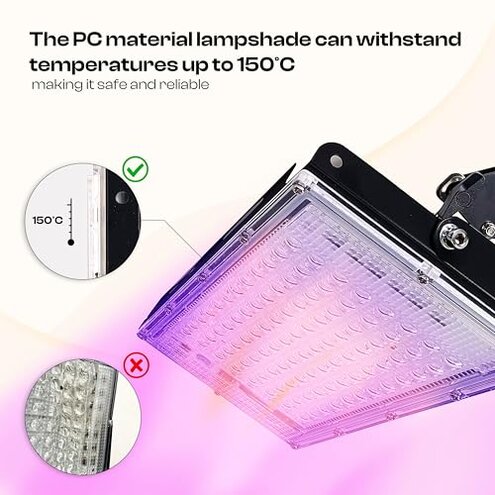
- Choose simpler geometry if you want fewer uneven-result problems, because a more fixed-position design can reduce setup variables.
- Look for repeatability features if consistency matters, such as setups that make distance easier to keep the same each time.
- Prioritize session tolerance if you batch screens, so workflow is not interrupted by a stated short-use limit.
- Buy for your skill level and skip calibration-heavy options if you want a beginner-friendly first exposure tool.
- Check real-use demos focused on timing and placement, not just assembly, to see whether the unit seems forgiving in practice.
The bottom line
Main regret trigger is buying this as an easy, repeatable exposure shortcut and discovering it needs more setup control than expected. The bigger problem is not that it cannot work, but that it appears less forgiving than normal for a mid-range option, especially when height, angle, and timing change. If you want low-fuss repeatability, this is a product to skip.
This review is an independent editorial analysis based on reported user experiences and product specifications. NegReview.com does not sell products.