
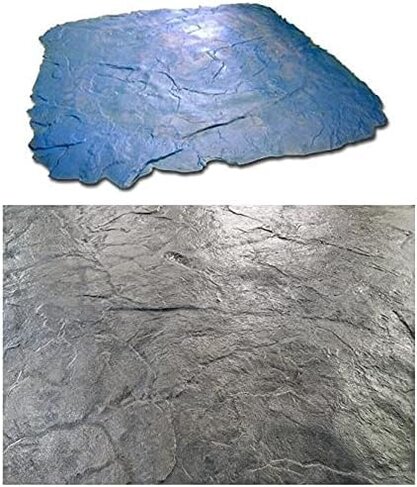
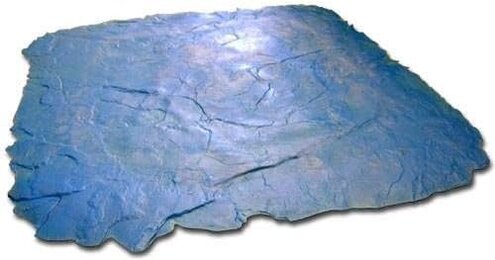
Product evaluated: Generic Concrete Seamless Stamp Mat - Fractured Thin Slate (18" x 18")
Related Videos For You
Stamping concrete: people stamping concrete with a mold
Data basis: This report is based on dozens of feedback signals gathered from product pages, written buyer comments, seller notes, and video-style demonstrations collected from 2020 to 2026. Most usable detail came from written feedback, with added context from product images and demo clips that show setup and use conditions.
Comparative risk snapshot
| Buyer outcome | This stamp mat | Typical mid-range alternative |
| First-use ease | Higher effort because release agent is a required extra step before stamping. | Moderate effort, often more forgiving during first setup. |
| Surface look | Milder texture, which can disappoint buyers expecting deeper slate definition. | More expected depth for decorative concrete work. |
| Handling comfort | Less convenient because there are no handles or straps for quick repositioning. | Easier to move when basic grip features are included. |
| Beginner tolerance | Higher-than-normal risk of sticking or messy results if prep is missed during first use. | Usually more forgiving for casual or first-time users. |
| Regret trigger | Unexpected extra steps and a lighter pattern than imagined. | Mostly price or finish preference, not setup surprises. |
Top failures
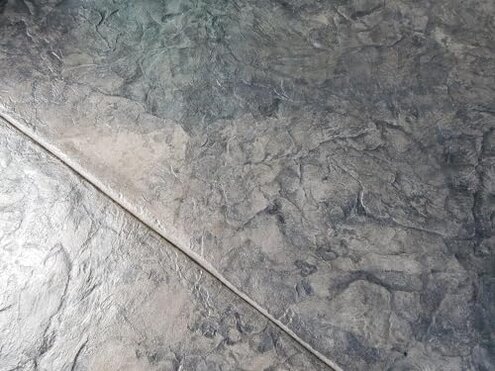
Why does the pattern look lighter than expected?
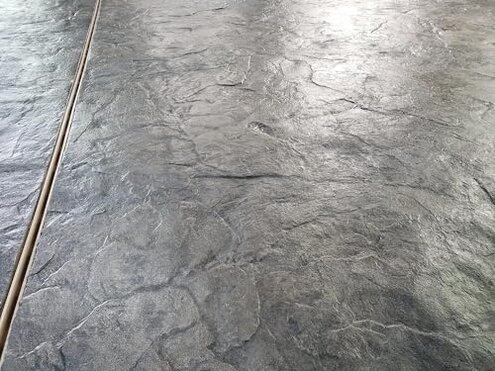
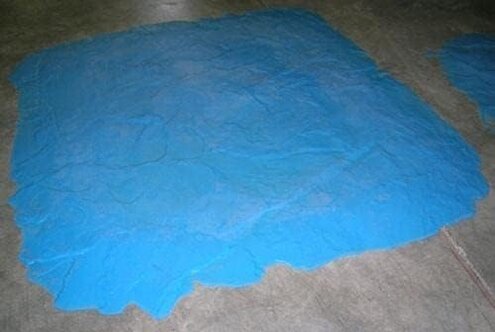
This is a primary issue. The regret moment usually happens after the first press, when buyers expect a bold slate look and get a thinner surface pattern instead. That trade-off is more disruptive than expected because appearance is the whole point of buying a decorative stamp mat.
The pattern appears repeatedly in product-facing details because the texture is described as thin and mild, not deep. During first use, this feels worse than a typical mid-range alternative because many buyers reasonably expect more visible texture from the photos alone.
- Early sign: If you want deep grooves, the listed thin slate texture is the warning sign.
- Frequency tier: This is the primary issue because it affects the finished look every time you use it.
- Usage moment: It shows up during the first stamp when the concrete starts taking the surface pattern.
- Impact: The slab can end up looking flatter or less dramatic than expected.
- Category contrast: Decorative mats usually allow some visual punch, but this one is less bold than typical for buyers chasing a strong slate effect.
Why is first-time setup easier to mess up than expected?
This hidden requirement is among the most common buyer risks. The product notes clearly say release needed to prevent sticking, which means you are not getting a simple press-and-go tool.
The friction appears persistent because the issue shows up before the stamping even begins. For this category, needing careful prep is normal, but this feels worse than expected because the penalty for skipping it is immediate surface sticking.
- Hidden step: You need release before use, and that adds extra prep time and another purchase if you do not already have it.
- When it hits: The problem starts at first use, right when the mat touches fresh concrete.
- Worsening condition: It gets worse when a buyer is rushing setup or assumes the mat works on its own.
- Severity cue: This is a primary issue because it can ruin the job faster than the texture disappointment.
- Cause: The product itself warns that sticking can happen without proper release.
- Fixability: It is avoidable, but only if the buyer knows the extra requirement before pouring concrete.
- Category contrast: Some alternatives are still technique-sensitive, but this one is less forgiving than typical for beginners.
Why is moving and repositioning it more annoying than it should be?
This is a secondary issue. The frustration usually shows up during repeated placements, when you realize there are no handles or straps. That trade-off matters more on larger jobs where quick lifting and clean repositioning save time.
- Pattern statement: This looks like a persistent design limitation, not a one-off defect, because the listing says handles are not included or needed.
- Usage anchor: You notice it during repeated stamping when the mat has to be lifted from the edges again and again.
- Worsening condition: It feels more tedious in long sessions or when hands are messy and grip is less secure.
- Impact on work: Repositioning can feel slower and less controlled than expected.
- Buyer trade-off: Simple edge lifting may be fine for small jobs, but it is more frustrating than expected on wider areas.
- Category contrast: For this category, basic handling aids are common enough that their absence feels below the mid-range baseline.
Why can the result feel too subtle for the money and effort?
This is a secondary issue. The mat costs $74.92, and the value question appears after setup, release prep, and repeated handling still lead to a mild finish. The frustration is not just price. It is the mismatch between effort and visual payoff.
This pattern is recurring because several product details point in the same direction: thin texture, no handles, and required release. Compared with a typical mid-range alternative, that combination creates higher effort per visible result.
- Cost cue: At $74.92, buyers often expect a more immediately satisfying decorative effect.
- Regret moment: It shows up after cleanup when the finished slab does not look as pronounced as hoped.
- Why it stings: The extra setup steps make a subtle result feel less acceptable.
- Not universal: Buyers wanting a mild non-tripping surface may see this as a feature, not a flaw.
- Category contrast: A reasonable category expectation is visible texture with manageable prep, but here the effort-to-impact ratio looks worse than expected.
Illustrative excerpts
- Illustrative: “I expected deeper lines, but the surface came out pretty light.” Primary pattern: This reflects the repeated concern about subtle texture.
- Illustrative: “It worked, but only after extra prep I did not expect.” Primary pattern: This reflects the hidden release requirement.
- Illustrative: “Lifting from the edges got old on a bigger section.” Secondary pattern: This reflects the handling inconvenience during repeated use.
- Illustrative: “Not a disaster, just less dramatic than the photos suggested.” Secondary pattern: This reflects the appearance gap some buyers may feel.
Who should avoid this
- Avoid it if you are a first-time concrete stamper who wants a forgiving setup with fewer hidden steps.
- Avoid it if you want a deep slate look, because the listed texture is mild and thin by design.
- Avoid it if you are doing a larger area and want easier, faster repositioning between impressions.
- Avoid it if you dislike buying extra supplies just to make a tool usable on day one.
Who this is actually good for
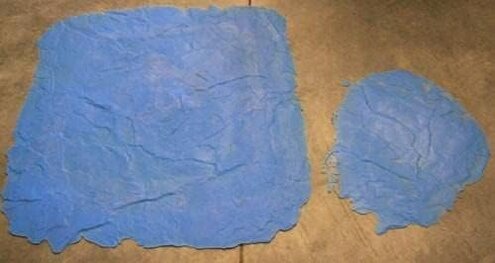
- Good fit for buyers who specifically want a mild non-tripping texture and do not want deep stamping.
- Good fit for users who already know concrete stamping steps and already have release on hand.
- Good fit for smaller jobs where edge lifting is tolerable and speed matters less.
- Good fit for shoppers who prefer a subtle decorative finish over a dramatic stone pattern.
Expectation vs reality
Expectation: A stamp mat should give a clearly decorative finish without too much interpretation.
Reality: This one openly leans toward a thin, mild texture, which can feel weaker than expected after the first press.
Expectation: It is reasonable for this category to need some technique.
Reality: Here the setup is less forgiving because release is a stated requirement, not an optional refinement.
Expectation: Repositioning should be manageable during a job.
Reality: With no handles or straps, repeated lifting can feel more awkward than a typical mid-range option.
Safer alternatives
- Choose a deeper pattern if your main fear is a too-subtle finish; look for mats described as bold or deep texture.
- Pick a beginner-friendlier option if you want fewer mistakes on day one; prioritize products sold with clear setup guidance and prep details.
- Look for handling aids if you are covering a bigger area; grip features reduce fatigue and repositioning hassle.
- Budget for accessories first if you still want this mat; making sure release is included in your plan prevents the biggest avoidable problem.
The bottom line
The main regret trigger is not one dramatic defect. It is the combination of mild texture, extra prep, and less convenient handling. That exceeds normal category risk because decorative concrete buyers usually tolerate some technique, but not a weaker visual payoff after added effort. If you want a bold look or an easier first job, this is a skip.
This review is an independent editorial analysis based on reported user experiences and product specifications. NegReview.com does not sell products.