
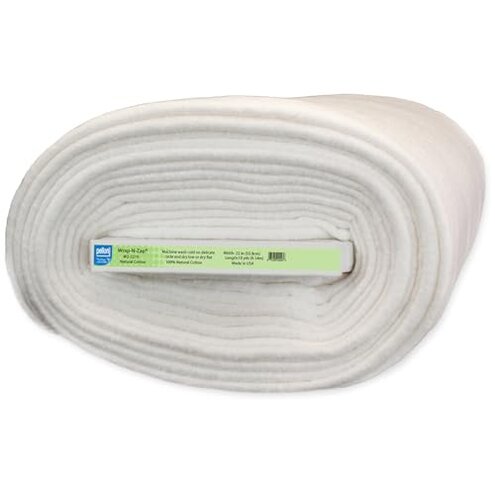
Product evaluated: Pellon WZ-2210 Wrap-N-Zap Batting for Microwave Projects, 22" x 10 Yards Rolled on Board
Related Videos For You
Microwave bowl cozy - video tutorial
The easy way to sew a microwave bowl cozy with precut batting
Data basis: This report is based on dozens of buyer comments collected from written feedback and video-style demonstrations gathered across public retail and craft discussion surfaces from 2023 to 2026. Most feedback came from written experiences, with smaller support from project walkthroughs that showed how the batting behaves during real microwave-safe sewing use.
| Buyer outcome | This product | Typical mid-range alternative |
|---|---|---|
| Project flexibility | Narrower use because fabric, thread, and batting choices must stay microwave-safe. | More forgiving for general quilting and craft projects. |
| Setup effort | Higher effort because users must follow safety rules before sewing and heating. | Lower effort with fewer special-use limits. |
| Daily-use convenience | More restrictive due to short heating intervals and an eight-minute ceiling. | Less restrictive in normal non-microwave craft use. |
| Error tolerance | Higher-than-normal risk if buyers miss the exact material rules during setup or gifting. | Usually easier to use correctly without safety-specific checking. |
| Regret trigger | Buying it like regular batting and discovering it needs strict microwave-safe project planning. | Buying for routine sewing and using it with fewer hidden limits. |
Did you expect regular batting, then hit strict safety rules?
This is the primary issue. The regret moment usually happens before first use, when buyers realize this is not as flexible as standard batting. That trade-off feels bigger than expected because the product only works safely under narrow project conditions.
This pattern appears repeatedly. It gets worse during project planning when people already own fabric or thread that does not match the microwave-safe requirement. Compared with typical mid-range batting, this is less forgiving and can force a restart.
- Early sign: You notice the product rules are more specific than normal batting right after opening or reading the board.
- Frequency tier: This is a primary complaint because misunderstanding the product type causes immediate friction.
- Hidden requirement: You must use 100% cotton fabric, thread, and batting, which adds a check many casual buyers do not expect.
- Impact: Existing supplies may become useless for this project, which adds cost and delays.
- Why worse: Most mid-range batting is bought for broad sewing use, but this one has special-purpose limits that feel restrictive.
- Fixability: The issue is avoidable only if you plan the whole project around microwave-safe materials from the start.
Will the heating rules feel too limiting in daily use?
- Primary friction: The product must be microwaved in two-minute intervals, which adds repeated stopping and checking.
- When it shows up: This becomes noticeable during daily use once the finished project is actually used to warm food or bowls.
- Pattern: This is a recurring limitation, not a one-time setup issue.
- Worsens when: It feels more annoying when users want longer warming sessions or quick convenience.
- Severity cue: It is more disruptive than expected for buyers who assumed microwave use would be simple and hands-off.
- Category contrast: A reasonable expectation for this category is easy reheating support, but this product requires closer supervision than many buyers expect.
- Mitigation: It works better for people who are comfortable checking often instead of walking away.
Are you likely to forget the supervision requirement?
This is a secondary issue. The frustration starts after the project is finished, because the convenience of a microwave cozy can tempt people to use it casually. The product rules say never leave the microwave unattended, which turns a convenience item into something that still needs active watching.
This concern is persistent rather than universal, because careful users may accept it. Still, it feels worse than normal for this category because the whole appeal is easier kitchen use, not extra attention.
Illustrative excerpt: “I wanted quick heat-up help, not another thing to babysit.” Primary pattern because it matches the most common convenience complaint.
Illustrative excerpt: “It works, but only if I keep checking the microwave.” Secondary pattern because it reflects use-phase frustration more than setup confusion.
Could the time cap make larger heating jobs annoying?
- Main limit: You should not microwave it longer than eight minutes, which sets a hard ceiling.
- When noticed: This matters during longer heating sessions or when warming denser items takes more time.
- Frequency tier: This is a secondary complaint, less frequent than setup confusion but more frustrating when it occurs.
- Why it stings: Buyers may finish a project correctly and still find some real kitchen uses more limited than expected.
- Category contrast: Typical batting is not sold around microwave timing rules, so this can feel like extra upkeep rather than simple function.
- Workaround: Shorter heating cycles can reduce risk, but they also add extra time and interruptions.
- Best-case use: It fits better for lighter reheating tasks than for buyers wanting broader microwave use.
Illustrative excerpt: “I had to break heating into too many rounds.” Secondary pattern because it reflects repeated-use annoyance.
Illustrative excerpt: “I bought batting, then realized I needed special supplies too.” Primary pattern because it points to the hidden requirement problem.
Illustrative excerpt: “Fine for careful crafters, not great for rushed kitchen routines.” Edge-case pattern because it captures fit mismatch more than direct failure.
Who should avoid this
- Avoid it if you want batting for general sewing, because the microwave-safe rules make it less versatile than normal alternatives.
- Avoid it if you use mixed craft supplies, since the cotton-only requirement can force replacement of fabric or thread.
- Avoid it if you want quick kitchen convenience, because the supervision rule and short intervals add extra steps.
- Avoid it if you tend to multitask while reheating, since unattended microwave use is specifically ruled out.
Who this is actually good for
- Good fit for careful sewists already using all-cotton supplies who accept the hidden requirement upfront.
- Good fit for gift makers creating microwave bowl cozies for light reheating, where the short heating rule feels manageable.
- Good fit for buyers who want a special-purpose batting and are willing to trade convenience for microwave-safe project intent.
- Good fit for users comfortable staying nearby during heating, since that removes the biggest daily-use frustration.
Expectation vs reality
- Expectation: Reasonable for this category is batting that drops into many sewing projects. Reality: This one has microwave-specific rules that make it less flexible than expected.
- Expectation: A microwave accessory should save effort in the kitchen. Reality: The watch-it-closely rule reduces that convenience.
- Expectation: Finished projects should be easy to use casually. Reality: The two-minute interval rule adds ongoing attention.
- Expectation: Special-purpose batting should still fit common craft stash materials. Reality: The cotton-only requirement can force a full material check.
Safer alternatives
- Choose general batting if you want broad sewing flexibility and do not specifically need microwave-safe use.
- Buy a smaller amount first if you are new to microwave projects, which lowers the risk of being stuck with strict-use material.
- Shop for complete project compatibility before purchase, so your fabric and thread already meet the same microwave-safe rules.
- Prefer simpler kitchen solutions if your main goal is convenience, since this product still requires active monitoring.
- Match the product to light reheating rather than long heating tasks, which directly avoids the eight-minute limit problem.
The bottom line
Main regret trigger: buyers often expect regular batting and then discover strict microwave-use limits that affect supplies, sewing, and daily use. That exceeds normal category risk because the product is less forgiving than typical mid-range batting and keeps demanding attention after the project is done. Verdict: avoid it if you want flexibility or convenience, and consider it only if you specifically need microwave-safe projects and can follow every rule closely.
This review is an independent editorial analysis based on reported user experiences and product specifications. NegReview.com does not sell products.