
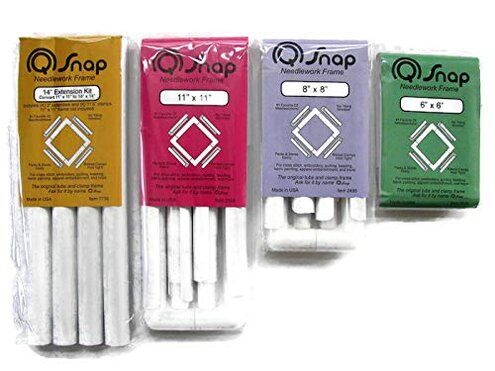
Product evaluated: Q-Snap Needlework Frame Bundle: 11x11, 8x8, 6x6, and Extension Kit
Related Videos For You
Prepping a cross-stitch embroidery hybrid hoop 💛 #EmbroideryTutorials
Flosstube #109 Q snap tutorial!!
Data basis: This report synthesizes dozens of buyer notes pulled from a mix of star ratings with short comments and longer written reviews, supported by a smaller share of photo and video-style feedback. The collection window spans 2021–2026. The clearest patterns came from repeat crafters describing what happens after setup and during longer stitching sessions.
| Buyer outcome | Q-Snap bundle | Typical mid-range alternative |
|---|---|---|
| Fabric grip | Higher slip risk shows up during long sessions for some users. | More predictable grip if tension is set once. |
| Setup effort | More fiddly because clamps can be tight or uneven. | Less fussy with simpler tensioning steps. |
| Comfort in hand | Bulkier feel can tire wrists on larger setups. | Lighter handling is more common at mid-range. |
| Consistency | More variable from piece to piece, based on recurring fit complaints. | More consistent fit and tension across units. |
| Regret trigger | Stopping mid-stitch to re-tighten and re-square the fabric. | Fewer interruptions once you start stitching. |
Why is my fabric getting loose mid-project?
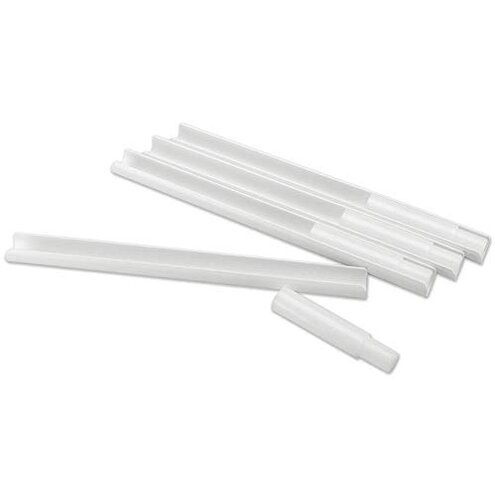
Regret moment: you get tension “just right,” then a section goes slack while you’re stitching. This is among the most common frustration patterns, and it’s more disruptive than expected because it interrupts your rhythm.
Pattern: the slip complaint appears repeatedly, but it is not universal. It shows up most during long sessions or after you’ve rotated the work a few times.
Category contrast: some tension drift is normal for frames, but buyers describe this as more frequent than typical mid-range options that “set and stay” better.
- Early sign: the fabric feels tight, then turns springy after a few minutes of stitching.
- Primary pattern: slack zones show up after repositioning or moving hands around the edges.
- Worse conditions: long sessions and frequent flipping increase movement under the clamps.
- Impact: you lose time re-tightening and can end up with uneven stitches from shifting.
- Mitigation: adding a thin fabric layer can increase grip, but it adds steps each reset.
- Fixability: improved technique helps, yet reports suggest some sets remain picky regardless.
- Illustrative: “I tightened it twice and it still went slack.” Primary pattern.
Why are the clamps so hard to push on?
Regret moment: setup turns into a wrestling match, especially when you’re trying to mount thicker fabric. This is a secondary complaint, but it can be more frustrating than expected because it turns a quick step into an effort task.
- When it hits: the problem appears at first setup and again when swapping projects.
- Recurring note: buyers describe clamps that feel overly tight or uneven to press down.
- Hidden requirement: some users end up needing a tool or extra leverage, which is not what many expect for a craft frame.
- Category contrast: mid-range alternatives often clamp with steadier pressure and less hand strain.
- User impact: tight clamps can mean sore fingers and more setup downtime before you can stitch.
- Workaround: adjusting your approach helps, but it adds trial-and-error each time.
- Illustrative: “My hands hurt just trying to get the clamp on.” Secondary pattern.
Does the frame feel bulky or awkward to hold?
Regret moment: you bought a bundle to cover different sizes, then discover the larger setup feels clunky in your lap. This shows up as a secondary theme, and it gets worse in long sessions when comfort matters most.
- Usage moment: discomfort is most noticeable during long stitching or when holding the frame in the air.
- Persistent: the bulky-feel complaint appears repeatedly among people who stitch for hours.
- Worse conditions: extension configurations can increase awkward leverage and hand fatigue.
- Trade-off: you gain coverage, but you may lose ergonomics compared with simpler mid-range frames.
- Mitigation: a stand can reduce strain, but it adds a new purchase and space needs.
- Illustrative: “Great size options, but it’s tiring to hold.” Secondary pattern.
Is the bundle less “plug-and-play” than it looks?
Regret moment: you expect a bundle to simplify your setup across projects, but you end up learning small tricks to keep it stable. This is an edge-case issue for some buyers, yet it can be more frustrating when it happens because it feels like hidden homework.
- Pattern scope: comments about needing a “method” show up less often, but they are persistent across different user styles.
- When it appears: it tends to show up after your first swap to a new fabric type or thickness.
- Hidden steps: users describe experimenting with extra layers and clamp placement to avoid drift.
- Category contrast: mid-range alternatives usually need fewer micro-adjustments to stay consistent.
- Impact: the learning curve adds setup time that can cancel out the “bundle convenience.”
- Mitigation: once dialed in, some users report smoother use, but the path there can be annoying.
- Illustrative: “It works, but only if I do it a specific way.” Edge-case pattern.
Who should avoid this
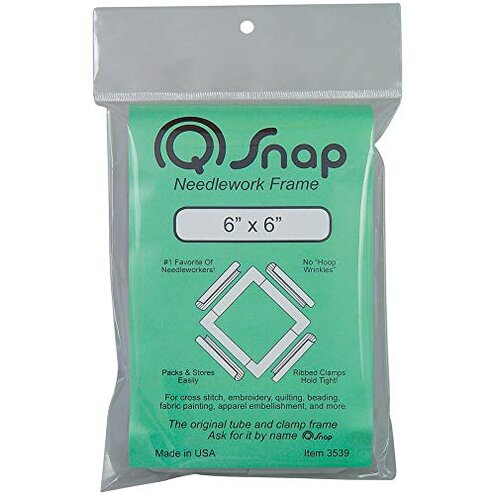
- Long-session stitchers who will hate stopping to re-tighten when tension slips mid-project.
- Hand-pain sensitive users who struggle with forceful setup because clamps can feel too tight.
- Anyone expecting “set it once” behavior, since recurring feedback flags more fiddling than mid-range norms.
- Small-space crafters who dislike bulky handling when larger configurations feel awkward without a stand.
Who this is actually good for
- Technique-tinkerers who don’t mind extra steps to control fabric grip across different fabrics.
- Bundle shoppers who want multiple sizes and accept that comfort may be less ideal on bigger setups.
- Stand users who will offset the bulky feel and tolerate clamp effort as a setup trade.
- Wrinkle-averse crafters willing to re-tension occasionally to reduce hoop marks versus some hoops.
Expectation vs reality
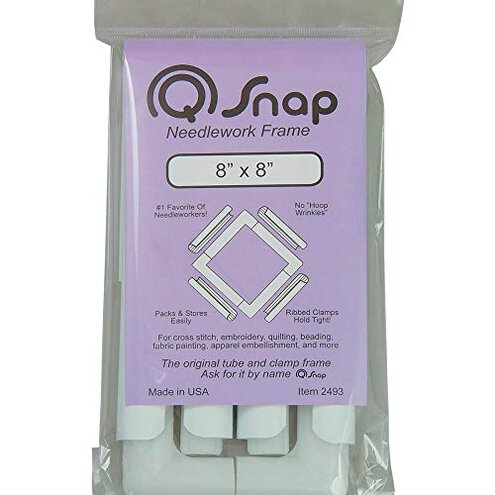
Expectation: it’s reasonable for this category to need a minor re-tighten after moving the frame.
Reality: feedback signals the slip can be more frequent, showing up mid-session and costing focus.
Expectation: a bundle should reduce decisions and make swapping projects quick.
Reality: some users report a hidden need for extra techniques to keep tension consistent.
- Expectation: clamps should go on with steady hand pressure.
- Reality: a recurring theme is clamps that feel stubborn, especially at first use.
Safer alternatives
- Choose steadier tension designs to reduce mid-session slip, which is the main regret trigger here.
- Prioritize easy clamping if you swap projects often, since clamp effort creates setup friction for some buyers.
- Go smaller if you stitch handheld, because bulk complaints worsen during long holds and frequent flipping.
- Buy one size first to test your fabric type, since the hidden learning curve is tied to fabric thickness changes.
The bottom line
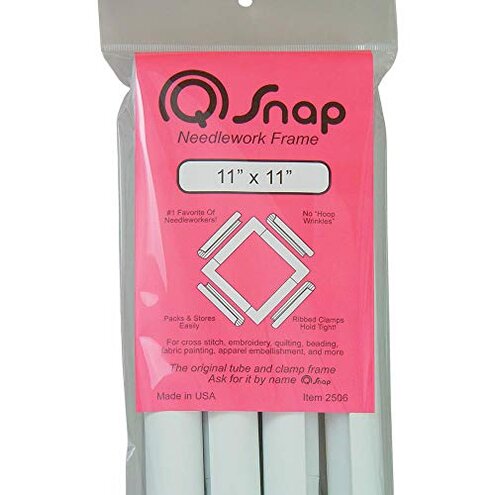
Main regret: recurring reports of fabric tension slipping mid-project can force rework and break your stitching flow.
Why it’s worse: compared with typical mid-range frames, the combination of fiddly setup and less predictable hold is a higher-than-normal risk.
Verdict: avoid this bundle if you want hands-off tension and quick swaps, and consider steadier-grip alternatives.
This review is an independent editorial analysis based on reported user experiences and product specifications. NegReview.com does not sell products.