
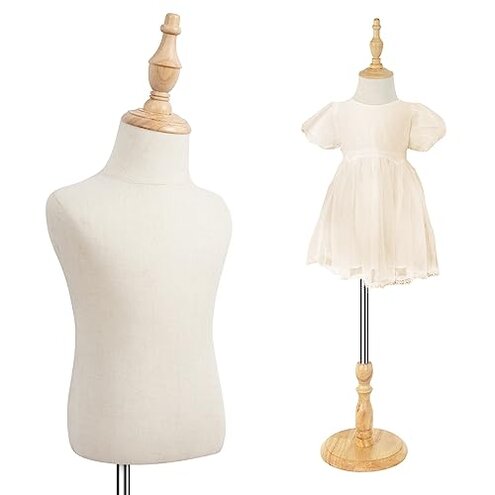
Product evaluated: Child Mannequin, Adjustable Kids Toddler for Apparel Scarf Window Shop Display, 2-3 Years Old
Related Videos For You
Assembling Kids Mannequin
Kay Kay Industries | KKI FT333 Full Functional 3 year Old Child Care Manikin
Data basis: This report used dozens of written reviews and buyer photos plus several video demonstrations collected Jan–Feb 2026. Most feedback came from written reviews, supported by video demonstrations, with a smaller share of seller Q&A and images.
| Outcome | No Hands Mannequin | Typical mid-range alternative |
|---|---|---|
| Stability | Prone to tipping under heavier garments or nudges. | More stable due to wider/heavier bases in the category. |
| Assembly | Tricky balance and alignment needed for steadiness. | Smoother assembly with clearer fittings and tighter joins. |
| Height adjustment | Slips or loosens after loading clothes. | Secure locks are common in mid-range models. |
| Daily handling | Requires careful placement and frequent re-checking. | Handles frequent use without constant re-tightening. |
| Regret trigger | High risk of fall or shift during display changes. | Lower risk with heavier or wider bases. |
Is it going to topple during display changes?
Primary regret: Many buyers report the mannequin tips or leans when clothes are added or when bumped during normal store or home use. This often appears on first setup or within a few days of moving garments.
Pattern: The instability is recurring across multiple reports and is more disruptive than expected for a mid-range display stand. Buyers expect a stable base for light apparel; this product often requires extra anchoring or repositioning to meet that baseline.
Why does the height keep slipping?
- Early sign: Height will shift slightly after you hang a sweater or dress during first use.
- Frequency tier: This is a secondary issue that appears commonly with daily handling.
- Usage anchor: Slippage happens after loading garments or when you rotate the torso to style clothing.
- Cause: Adjustment hardware seems loosely toleranced compared with mid-range alternatives.
- Fix attempts: Buyers report needing to retighten or wedge the pole repeatedly to hold position.
Does assembling it leave you chasing balance?
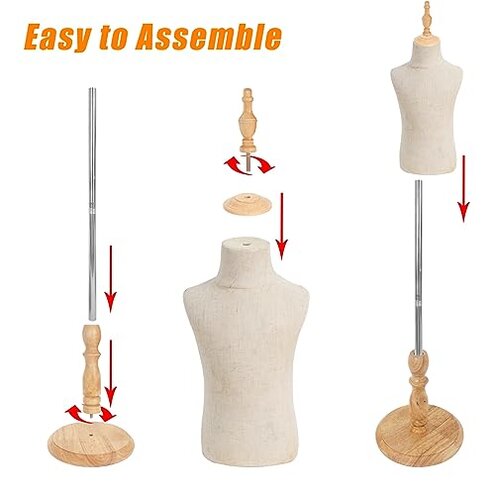
- Assembly note: Instructions are present but often result in a wobbly base unless parts are precisely aligned.
- Early sign: Base may feel uneven right after first build.
- Pattern: This is a recurring complaint across written reports and images.
- When it worsens: Problem increases with frequent repositioning or when used on slightly soft floors.
- Impact: The mannequin requires extra time and patience to stabilize compared with typical models.
- Attempted fixes: Users add weights, non-slip pads, or shims to the base to reduce wobble.
- Category contrast: More upkeep is needed than most mid-range alternatives to keep a straight display.
Will this meet sizing and durability expectations?
- Fit warning: The listed size targets 2–3 years but some buyers find proportions inconsistent for layered outfits.
- Durability cue: Light weight helps moving the mannequin but also contributes to a less sturdy feel.
- Frequency tier: Sizing and finish issues are a secondary pattern, not universal but visible in photos.
- Hidden requirement: To keep it usable you may need extra anchoring or base weight, which is not obvious at purchase.
- Impact: Expect added cost or time to buy stabilizers if you want reliable display use.
- Repairability: Customers report limited easy fixes beyond adding external weights or replacing the pole.
- Category contrast: Less forgiving than typical display mannequins that include heavier or better-locked bases.
Illustrative excerpts
"Illustrative:" "Mannequin leaned and fell when I draped a cardigan over it." — Primary
"Illustrative:" "Pole kept sliding down after dressing twice, had to wedge it." — Secondary
"Illustrative:" "Needed extra weights on the base to stop wobble on wood floors." — Secondary
Who should avoid this
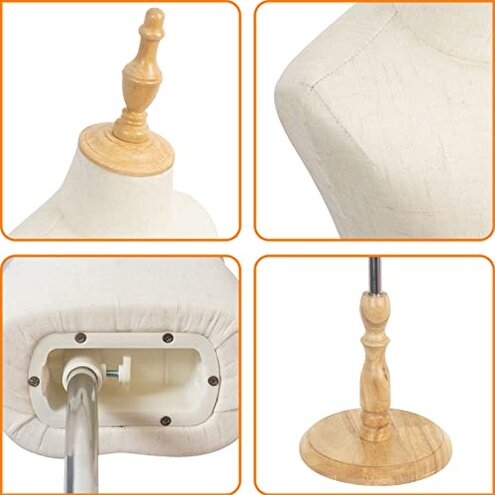
- Retail windows: Avoid if you need low-maintenance stability for public displays.
- High-traffic areas: Avoid when mannequins are handled daily or bumped frequently.
- Heavier garments: Avoid if you plan to display thick coats or layered outfits without adding weight.
Who this is actually good for
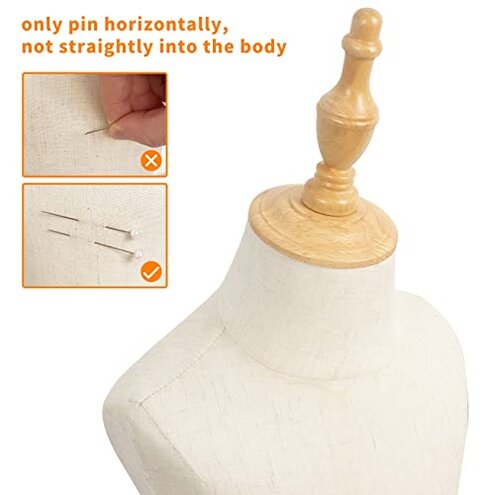
- Light styling: Good for temporary displays of lightweight tops where tipping risk is low.
- Frequent movers: Useful if you value a very lightweight figure to carry between rooms and can accept extra setup time.
- Budget props: Okay for hobbyists who are comfortable adding stabilizers or weights to improve balance.
Expectation vs reality
Expectation: Buyers reasonably expect a child mannequin to be stable for light apparel.
Reality: This product more often needs extra anchoring and retightening to reach that basic level.
Expectation: Reasonable assembly should take minutes and stay steady.
Reality: In practice you may spend extra time aligning, retightening, and weighting the base.
Safer alternatives
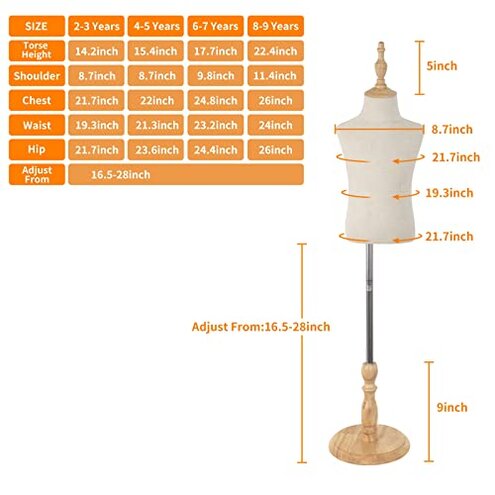
- Check base weight: Choose models that list a heavier base or include metal bases to avoid tipping.
- Locking mechanism: Favor mannequins with positive locking height rather than friction-fit poles.
- Wide footprint: Pick stands with a wider chassis for better balance on varied floors.
- Non-slip pads: If you buy this item, plan to add non-slip pads or weights immediately to neutralize wobble.
The bottom line
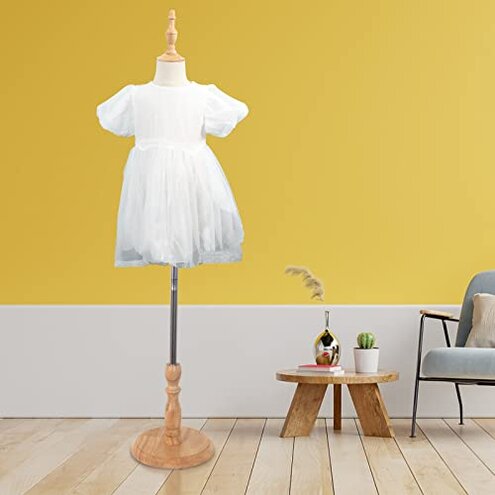
Main regret: The core issue is instability that often shows up at first use and with routine dressing.
Why it matters: This is more disruptive than typical mid-range mannequins because it commonly requires extra anchoring and repeated adjustments.
Verdict: Avoid this product if you need reliable, low-maintenance displays; consider it only if you accept the effort of stabilizing it yourself.
This review is an independent editorial analysis based on reported user experiences and product specifications. NegReview.com does not sell products.