
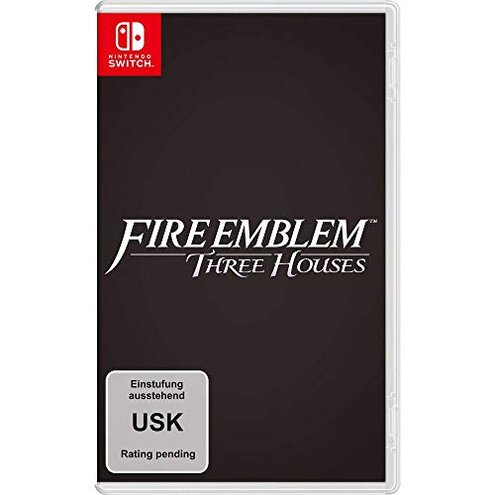
Product evaluated: Fire Emblem: Three Houses
Related Videos For You
Fire Emblem: Three Houses - Before You Buy
Fire Emblem: Three Houses [Switch] - Gameplay Walkthrough Part 1 Prologue - No Commentary
Data basis: this report used hundreds of written reviews and gameplay videos collected between 2019–2025, with most feedback from written reviews and additional confirmation from video demonstrations.
| Outcome | This product | Typical mid-range alternative |
|---|---|---|
| Learning curve | Steep early complexity that can feel confusing to new players. | Smoother onboarding with fewer opaque systems. |
| Time investment | Higher-than-normal repeated playthroughs and long sessions required to see all content. | Moderate playtime with less mandatory repetition. |
| Technical stability | Intermittent glitches reported; usually recoverable but disruptive when they occur. | Generally stable performance for most mid-range titles. |
| Replay cost | High time and decision pain to unlock alternate routes. | Lower replay overhead with clearer shortcuts. |
| Regret trigger | Time sink combined with UI friction leads to buyer remorse for casual players. | Lower regret for casual players. |
Top failures
Is the game's pace and grind going to swallow your free time?
Primary pattern observed: many buyers report the game demands long sessions and repeated loops to progress meaningful storylines.
Usage anchor — this becomes obvious during mid- to late-game when side systems and class training require repeated actions to avoid falling behind.
Category contrast — this is more time-consuming than most mid-range strategy RPGs, which usually let players reach late-game faster.
Will the complex systems feel overwhelming and clunky?
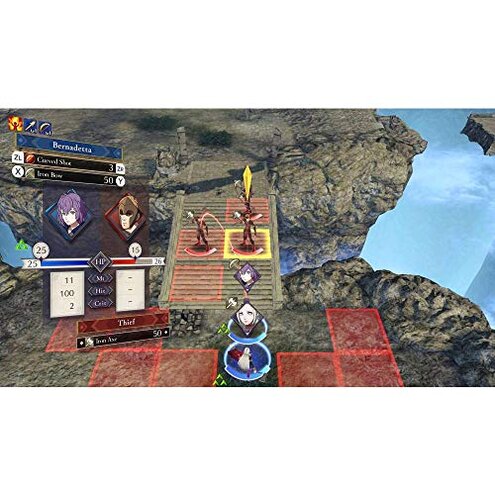
- Early confusion — the menus and many interlocking systems show up at first save, causing setup friction.
- Opaque mechanics — some systems lack clear in-game explanation, so trial-and-error adds extra hours.
- Frequent switching — jumping between classroom and battle screens interrupts flow during daily play.
- Fix attempts — players often restart or consult outside guides, increasing upfront time cost.
Do story pacing and house choices lead to regret?
- Locked decisions — the choice of faction early forces replay to see other arcs.
- Delayed payoff — major story beats feel far apart, frustrating players who expect faster payoffs.
- Replay burden — seeing all endings requires long additional playthroughs, not a quick alternate save.
- Emotional cost — players report regret after investing many hours in one route.
- Category gap — less forgiving than other story-driven strategy titles that offer faster branching visibility.
- Hidden requirement — full enjoyment often requires commitment to multiple long playthroughs.
Are technical bugs or UI hiccups going to break sessions?
- Intermittent bugs — crashes and odd menu behavior appear for a subset of players during long sessions.
- Save friction — unexpected state resets or menu confusion can cost progress at important moments.
- Patch dependence — some fixes rely on updates, so early buyers face more rough edges.
- Performance dips — heavy scenes can drop responsiveness, disrupting tactical thinking.
- User fixes — common workarounds include frequent manual saves and reducing session length.
- Less frequent than other issues, but more disruptive when it occurs.
- Edge impact — long play sessions increase the chance of hitting a bug.
Illustrative excerpts
Excerpt: “It takes dozens of hours to feel competent, then you must replay again.” — illustrative; primary pattern.
Excerpt: “Menus make simple tasks slow and annoying every day.” — illustrative; secondary pattern.
Excerpt: “I hit a crash during a long mission and lost progress.” — illustrative; edge-case pattern.
Who should avoid this
- Casual players who want short sessions; the long grind exceeds casual tolerance.
- Buyers avoiding repetition since multiple playthroughs are a hidden time requirement.
- Impatient learners because the UI and systems demand study or outside help.
Who this is actually good for
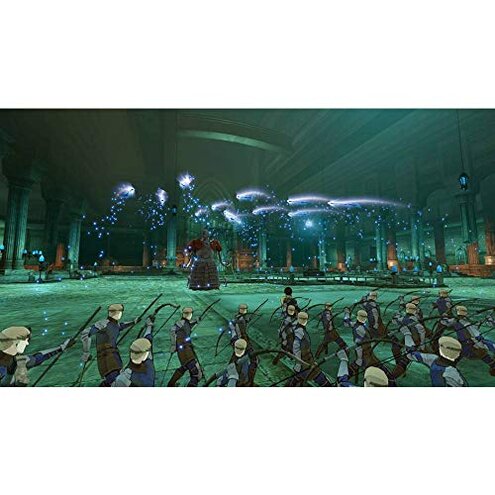
- Deep strategists who enjoy long-term optimization and don't mind grind; they accept the time cost.
- Completionists willing to replay routes; they tolerate high replay burden to see all content.
- Fans of the franchise who value story routes and character detail enough to absorb the friction.
Expectation vs reality

Expectation (reasonable for category): many mid-range RPGs let you experience key story beats within a moderate playtime.
Reality: this title frequently requires sustained hours and replay to reach alternate conclusions, increasing regret for casual buyers.
Safer alternatives
- Prioritize playtime — choose a title with shorter campaign lengths to avoid heavy replay cost.
- Watch guides first to reduce early confusion and avoid learning frustration.
- Check patch status — delay purchasing until recent stability updates are confirmed by others.
- Consider demo or reviews that emphasize session length so you match the game's pace to your schedule.
The bottom line
Main regret trigger: a high time investment combined with UI friction and decision lock-ins.
Verdict — if you dislike long grinds, forced replays, or complex menus, avoid this title; otherwise, it can reward patient players.
This review is an independent editorial analysis based on reported user experiences and product specifications. NegReview.com does not sell products.