
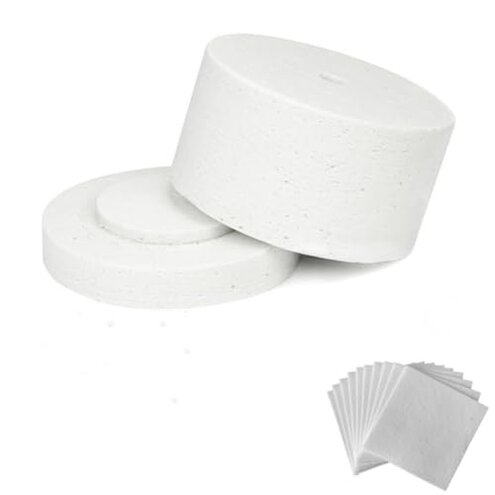
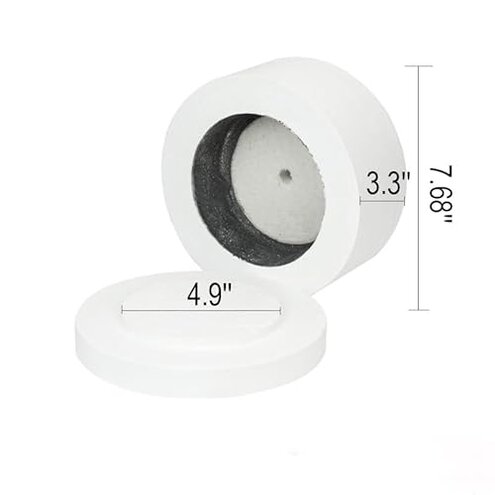
Product evaluated: EWAIDI Microwave Kiln for Clay Pottery - Professional Microwave Kiln for Pottery Crafting,DIY Tool for Artists and Hobbyists, Easy and Efficient Ceramic Firing Solution (Big)
Related Videos For You
How to Make Microwave Kilns (For glass fusing and Mold Burnout)
Buying a Microwave Kiln - 10 Things You Need to Know!
Data basis: This report is based on dozens of user accounts and a range of written reviews plus video demonstrations collected between 2024-01 and 2026-01. Most feedback came from written reviews, supported by video demonstrations and unboxing notes.
| Outcome | This product | Typical mid-range alternative |
|---|---|---|
| Firing consistency | Variable results; pieces commonly underfired or uneven across the surface. | More reliable for small runs with predictable temperature curves. |
| Safety / heat transfer | Higher risk of exterior scorching and strong heat after use, worse than typical consumer kilns. | Lower external heat and clearer cooldown guidance on mid-range models. |
| Usability / setup | Poor instructions and hidden steps like special supports or kiln paper add time and confusion. | Clearer guides and predictable setup for first-time users. |
| Durability | Inconsistent longevity; some users report rapid degradation with repeated use. | Better longevity for comparable, purpose-built tabletop kilns. |
| Regret trigger | Primary: inconsistent firing combined with heat risks creates safety and quality regret. | Secondary: fewer safety surprises and steadier results in comparable alternatives. |
Top failures
Why do my pieces come out uneven or underfired?
Primary issue: Many buyers report uneven or underfired pieces on first runs and repeat firings, a commonly reported pattern.
Usage anchor: This appears during the first use and with larger or stacked pieces, and it gets worse with long microwaving cycles.
Category contrast: This is worse than normal because most mid-range microwave kilns produce consistent melt across small items; unpredictable results here cost time and materials.
Is the kiln a safety risk in a household microwave?
- Frequent sign: Exterior scorching or smoke is commonly reported after use, showing repeated heat-transfer issues.
- When it shows: Happens right after firing and during cooldown when users handle the kiln without thermal gloves.
- Why it matters: More heat escapes than expected for this category, increasing burn and microwave-damage risk.
- Attempted fixes: Users add extra insulation or long cooldowns, which adds extra steps and time.
Why are instructions and setup so confusing?
- Early sign: Sparse or vague instructions are repeatedly noted, a persistent secondary problem.
- Usage anchor: Confusion occurs during first assembly and first firing, when exact positioning matters.
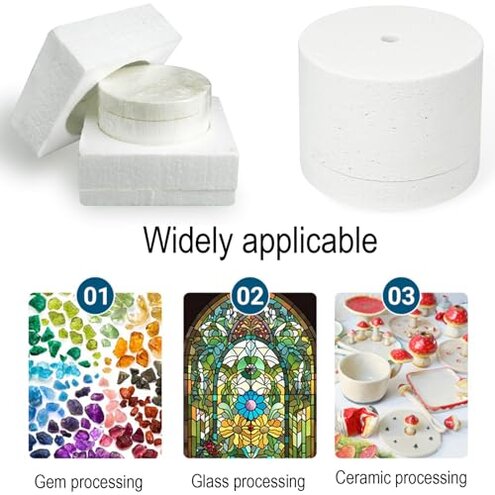
- Hidden requirement: The kiln often needs extra supports or kiln paper that are not explicitly listed, a hidden requirement buyers must supply.
- Impact: Incomplete setup leads to failed firings and wasted material.
- Fixability: Community workarounds exist but they add cost and time compared with mid-range alternatives.
How durable and repeatable is this kiln for regular hobby use?
- Pattern: Durability complaints appear repeatedly, but not universally; this is a secondary-to-primary escalation.
- When it worsens: Problems show up after a few cycles when used frequently or for longer sessions.
- Cause: Repeated high heat sessions accelerate chipping or lining degradation.
- Performance hit: Degraded interior lowers consistency and increases failure rates over time.
- Attempts: Buyers ration use or rotate units, adding extra equipment expense.
- Category contrast: More upkeep than most mid-range alternatives, which are built for repeated small-batch firing.
- Hidden cost: No warranty is listed, so replacement is buyer-paid if it fails under regular use.
Illustrative excerpts
Excerpt: "Pieces melt unevenly; edges are glassy while centers remain raw." — primary pattern
Excerpt: "Microwave got hot and smelled burned after one firing." — secondary pattern
Excerpt: "Needed special kiln paper not included; trial and error wasted clay." — secondary pattern
Who should avoid this
- Beginners wanting predictability: If you need reliable first-run results, this product's firing inconsistency exceeds normal tolerance.
- Small studios: Frequent use worsens durability and heat issues faster than expected in this category.
- Shared kitchens: High exterior heat and smoke risk make this poor for general household microwaves.
Who this is actually good for
- Experimenters on a budget: Will tolerate extra failed runs and setup work to save money on initial purchase.
- Occasional hobbyists: Accepts slower throughput and long cooldowns because they fire infrequently.
- Buyers who add mods: Comfortable adding insulation, kiln paper, or external thermometers to manage risks and achieve results.
Expectation vs reality
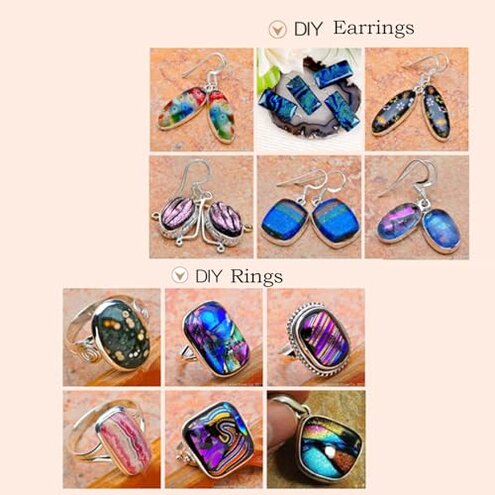
Expectation (reasonable for this category): Microwave kilns should give usable results for small fused pieces with a few trial runs.
Reality: This model more often needs extra trials, added insulation, or specialized supports, increasing time and cost.
Expectation: Consumer kilns will not dangerously heat the microwave exterior.
Reality (worse than expected): Users report high external heat and smell, which is more disruptive and riskier than typical mid-range options.
Safer alternatives
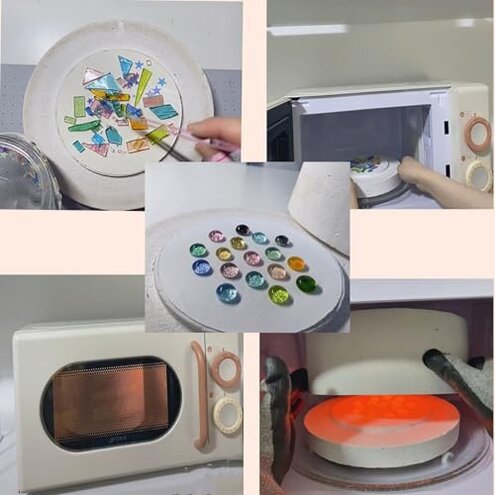
- Choose a kiln with clear specs: Look for models that include cooldown times and insulation guidance to neutralize heat-transfer risk.
- Pick models with included accessories: Prefer kilns that bundle kiln paper or supports to avoid hidden requirements.
- Check warranty and longevity: Select alternatives with explicit warranty coverage to reduce replacement cost risk after repeated use.
- Consider tabletop electric kilns: These reduce microwave heat risk and often give steadier results for regular hobbyists.
The bottom line
Main regret trigger: Inconsistent firing plus higher-than-normal external heat creates both quality and safety regret for many buyers.
Verdict: If you need predictable, repeatable firings or plan frequent use, avoid this model. If you accept extra setup and safety workarounds, it can be a low-cost experiment platform.
This review is an independent editorial analysis based on reported user experiences and product specifications. NegReview.com does not sell products.