
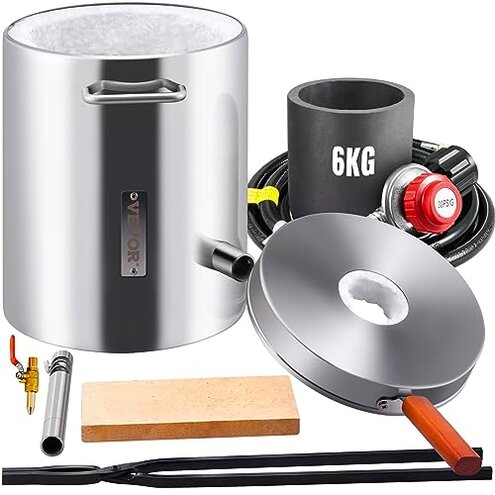
Product evaluated: VEVOR 6KG Propane Melting Furnace Kit, Large Capacity Foundry Home Kilns, Blacksmithing Forge with Crucible & Tongs Kiln, Stainless Steel, for Metal Scrap Recycle, Gold Copper Silver Casting
Related Videos For You
Propane Forge Burner Don't Make This Mistake!
Vevor Melting Furnace: Review Setup and Tips - Is it Worth Buying?
Data basis: I reviewed dozens of buyer reviews and several video demonstrations collected between 2023 and 2025. Most feedback came from written reviews, supported by hands-on clips. The summary reflects common user reports and visual setup tests.
| Outcome | VEVOR kit | Typical mid-range foundry |
|---|---|---|
| Build longevity | Shorter crucible life reported; buyers often buy replacements sooner than expected. | Longer consumable life is common; crucibles and linings last more runs before replacement. |
| Safety risk | Higher-than-normal risk during setup and first melts because of heat transfer and regulator handling. | Lower risk with clearer instructions and sturdier insulation on comparable kits. |
| Heat consistency | Variable temperatures appear for some users, causing uneven melts and extra runs. | More consistent heating at similar price points, reducing rework time. |
| Hidden costs | Consumable-driven costs from crucible and lining replacements are commonly reported. | Lower ongoing cost because mid-range alternatives include more durable linings or spare parts. |
| Regret trigger | Frequent extra purchases and setup safety steps create buyer regret more often. | Fewer regret triggers for standard users due to better out-of-box readiness. |
Why does the crucible wear out so fast?
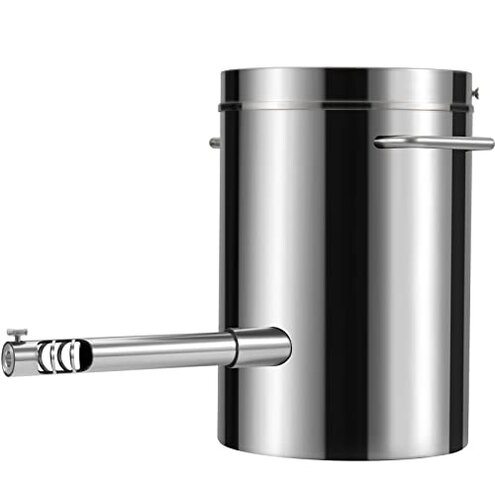
Regret moment: After a few melts many buyers find the crucible needs replacing.
Pattern: This is a commonly reported pattern across multiple buyers and videos, not universal but frequent.
When it shows up: The issue appears after repeated use and during medium-to-high temperature sessions.
Category contrast: Crucible wear is more frequent than normal for mid-range kits, creating higher consumable costs and downtime.
Is the burner and temperature performance reliable?
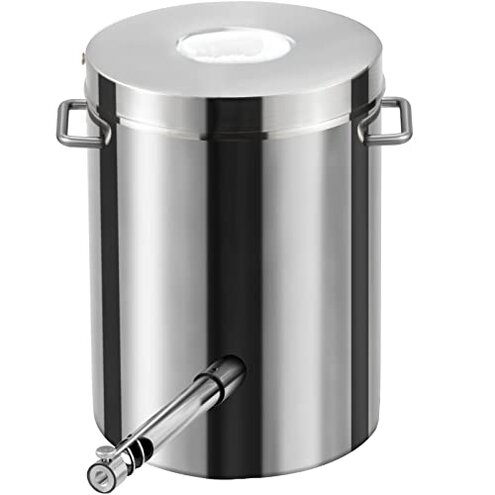
- Early sign: Some users see slower-than-advertised heat during first use.
- Frequency tier: This is a secondary issue that appears repeatedly but not for everyone.
- Cause: Variability comes from burner setup, regulator pressure, and lining condition during initial melts.
- Impact: Uneven heats force extra runs and remelts, wasting fuel and time.
- Fixability: Fixes need extra tuning or parts, adding hidden steps versus category expectations.
Does the kit create setup or safety hazards?
- Assembly friction: Several buyers report confusing instructions and extra time during first assembly.
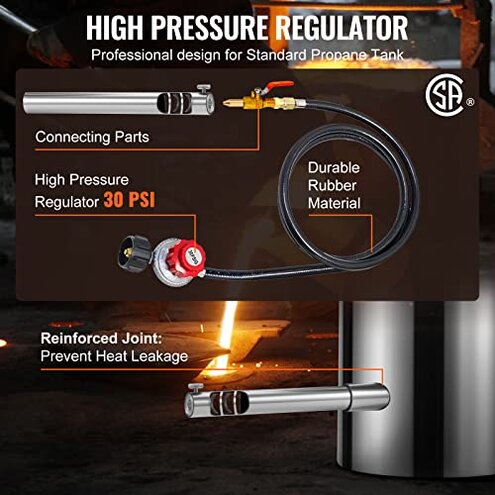
- Gas handling: Regulator and hose setup is a recurring concern during initial connections.
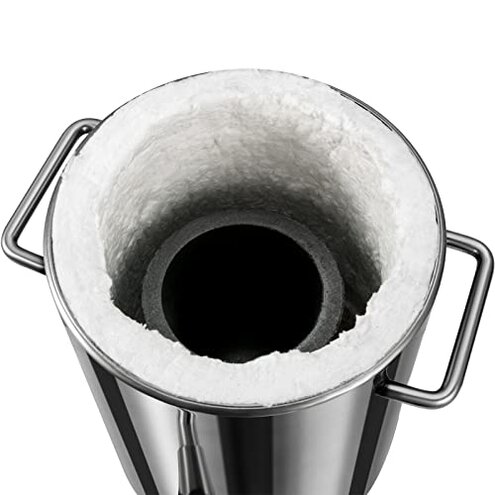
- Heat transfer: The outer cover and handle can get very hot, noticed during melts.
- Leak risk: Minor fit or sealing issues sometimes appear when users swap tanks or move the unit.
- Worse-than-expected: These safety frictions are more disruptive than typical mid-range kits with clearer instructions.
- Hidden requirement: Many buyers need extra safety gear and spare fittings to use the kit safely.
- Mitigation: Add a proper regulator, leak checks, and thermal gloves before the first run.
Will the outer shell and lining hold up over time?
- Early sign: Soot, surface discoloration, and lining gaps show up after repeated heats.
- Frequency: This is a primary issue for users who run long sessions or high-volume melts.
- Cause: Thin factory lining and a single included firebrick lead to faster erosion.
- Impact: Repairs add labor, downtime, and cost for replacements or relining.
- Category contrast: The kit is less forgiving than mid-range alternatives that include thicker linings.
- Fix attempts: Buyers commonly add aftermarket refractory or extra bricks to extend life.
- Hidden cost: Re-lining or extra insulation is needed for regular use and is not included.
- Long sessions: Issues worsen during long runs and frequent daily use, increasing maintenance time.
Illustrative buyer excerpts (not real quotes)
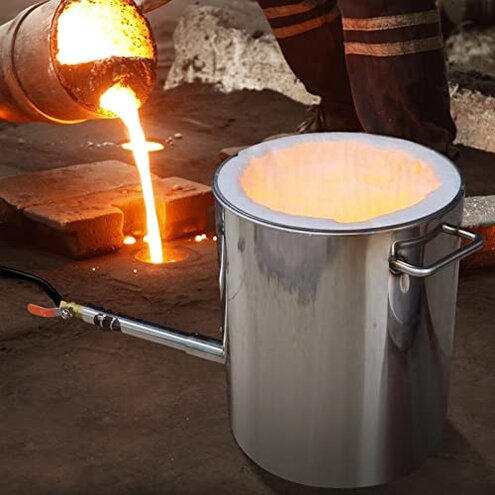
"Crucible needed replacing after a few melts, unexpected cost." — Primary pattern: shows common consumable cost problem.
"Heater seemed uneven, had to remelt several parts." — Secondary pattern: demonstrates inconsistent heat on first uses.
"Instructions were vague; regulator hookup took extra parts." — Secondary pattern: reflects setup and safety friction.
"Needed extra firebrick after a month of regular use." — Primary pattern: highlights hidden relining requirement.
Who should avoid this
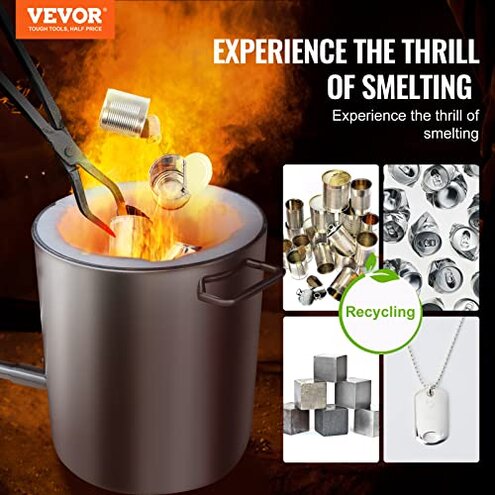
- Beginners without workshop support who cannot manage extra safety checks or spare parts.
- High-volume users who run long sessions and would pay frequent replacement costs.
- Buyers expecting plug-and-play performance without tuning or extra insulation.
Who this is actually good for
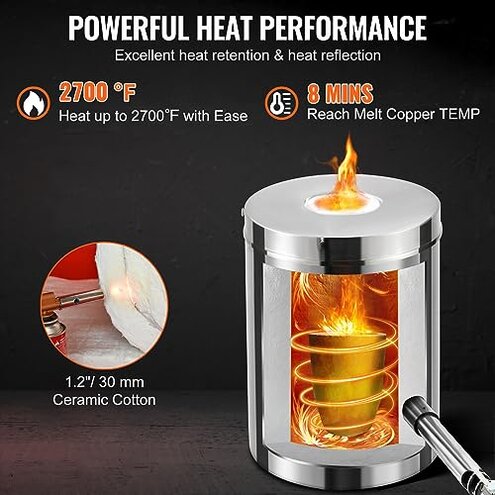
- Hobbyists on a budget who accept buying spare crucibles and doing hands-on tuning.
- Occasional casters who use it rarely and can schedule maintenance between melts.
- DIY tinkerers who prefer to upgrade linings and adjust burners themselves.
Expectation vs reality
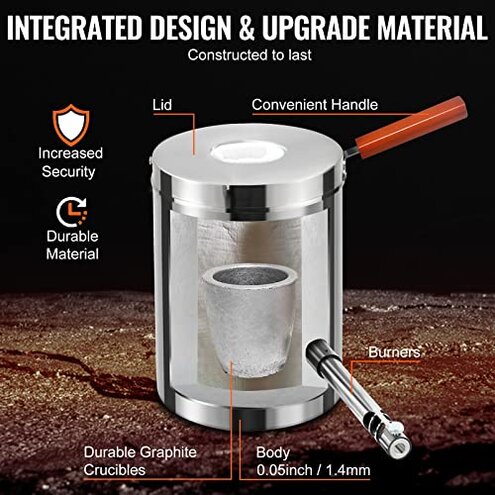
Expectation: Reasonable for this category is that a kit lasts many melts before replacement.
Reality: The crucible and lining often require earlier replacement, adding real cost and downtime.
Expectation: Kits should start reliably after basic setup.
Reality: Many buyers need extra tuning and parts, making the first few sessions more work.
Safer alternatives
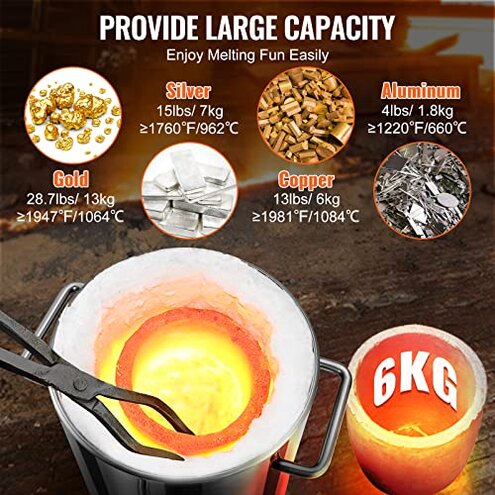
- Buy kits with spare crucibles included to avoid unexpected consumable purchases.
- Choose models with thicker insulation to reduce heat transfer and maintenance.
- Prefer products with clear regulator instructions or pretested gas fittings for safer first use.
- Budget for extra refractory if you plan regular or long melting sessions.
The bottom line
Main regret: Frequent crucible wear and setup safety frictions trigger extra cost and time for many buyers.
Why it matters: These problems exceed the normal risk in this category because they add hidden recurring costs and safety steps.
Verdict: Avoid this kit if you want low-maintenance, plug-and-play melting; consider it only if you accept extra consumables and hands-on tuning.
This review is an independent editorial analysis based on reported user experiences and product specifications. NegReview.com does not sell products.