
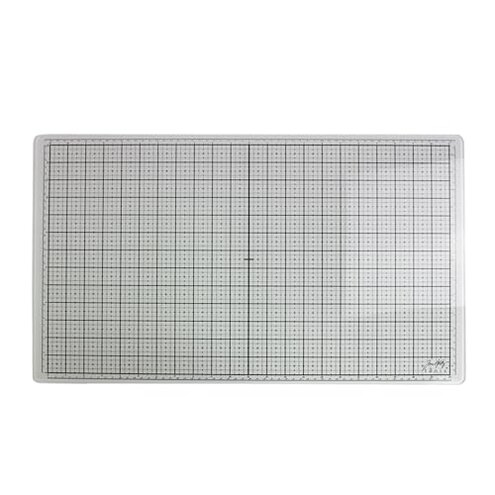
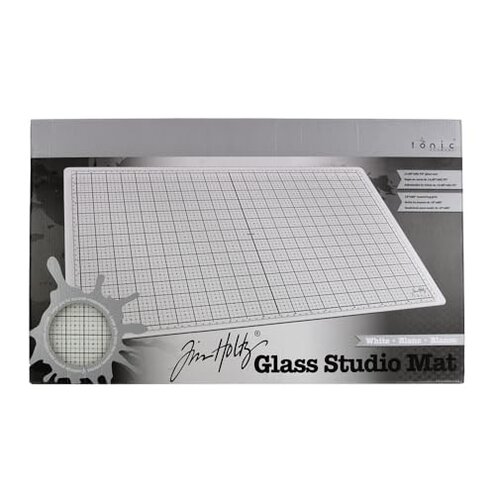
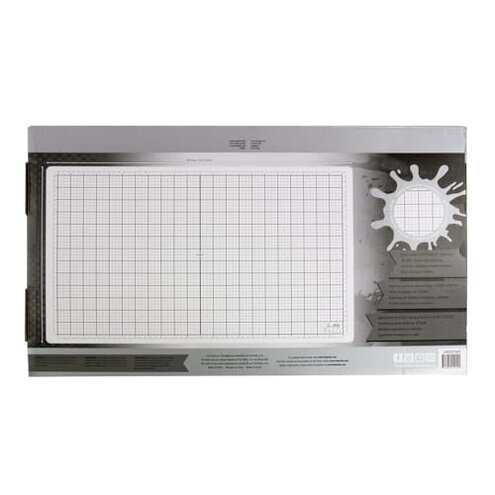
Product evaluated: Tim Holtz 23" x 14" Glass Studio Media Mat, White
Related Videos For You
Tim Holtz Teaches You How To Use The Glass Media Mat - Scrapbook.com
Data basis: I reviewed dozens of customer comments and several video demos collected between Jan 2023 and Jan 2026, with most feedback from written reviews and support from short demonstration clips.
| Outcome | This product | Typical mid-range mat |
|---|---|---|
| Durability | Higher risk of edge chips and hairline cracks under normal craft pressure. | Moderate resistance; chips are less common with similar use. |
| Stability | Unreliable non-slip feet reported to shift during long sessions. | Consistent grip on most mid-range mats during multi-hour use. |
| Surface care | Prone to visible marks and stubborn residue that needs special cleaning. | Easier to clean with routine soap and water in the category. |
| Heat handling | Claimed heat resistance but some users report warping marks under hot tools. | Typically tolerates craft heat with fewer visible effects. |
| Regret trigger | Edge chipping and slipping feet combine to create high regret for heavy users. | Lower regret from single issues; failures are usually isolated. |
Will the mat chip or crack during normal cutting or stamping?
Regret moment: Many buyers describe hitting the mat edge or dropping tools and seeing edge chips soon after first use.
Pattern: This is a commonly reported issue appearing early, often within the first weeks of use when cutting heavy cardstock or sliding metal tools.
Category contrast: Mid-range craft mats usually withstand daily cutting, so the frequency of chips here is higher-than-normal for this category.
Does the mat move while you work?
- Early sign: Feet shift during the first hour of use on smooth tables.
- Frequency tier: This is a secondary complaint seen repeatedly in written feedback.
- Cause: Adhesive feet are thin and fail to grip when surfaces or hands are slightly damp.
- Impact: Movement disrupts alignment and can cause cuts to slip, increasing error risk.
- Attempted fixes: Buyers often add non-slip pads or tape to regain stability.
Will the surface stain or retain residue after ink, paint, or glue?
- Visible mark: Ink and paint can leave stubborn marks that need scraping or special cleaners.
- Frequency tier: This is a primary maintenance complaint noted across many examples.
- When it shows: Marks appear during mixed-media sessions and after repeated use without immediate cleaning.
- Cause: Smooth glass surface shows imperfections and holds oily residues.
- Impact: Cleaning adds time and may require solvents that risk dulling the white finish.
- Fixability: Scrubbing or specialty cleaners usually help but add extra effort.
- Hidden requirement: Keeps a separate cleaning routine and tools, which is not obvious at purchase.
Is the mat heat-resistant as advertised under craft tools?
- Claim vs use: The mat is sold as heat resistant, but some users report visible marks after hot-tool contact.
- Frequency tier: This is a secondary but persistent observation in demonstrations.
- When it worsens: Problems appear with prolonged iron or heat-gun contact during embossing sessions.
- Category contrast: Most mid-range mats tolerate brief heat better, so this is less forgiving than peers.
- Impact: Heat marks can force buyers to limit techniques or add sacrificial layers.
- Attempted workarounds: Buyers place parchment or a protective plate under the work, adding cost and setup time.
- Long-term risk: Repeated heat cycles may increase chance of hairline cracks over months of use.
Illustrative excerpts
"Illustrative: I noticed a tiny chip after the first heavy cut, very disappointing." — Primary pattern.
"Illustrative: The feet slid during a two-hour session; I taped them down." — Secondary pattern.
"Illustrative: Glue left a cloudy spot that needed a stronger cleaner." — Secondary pattern.
Who should avoid this
- Heavy cutters: If you apply force with metal tools, edge chipping risk is above typical category tolerance.
- Long-session crafters: Those who work hours without breaks see more slippage and wear.
- Mixed-media users: If you regularly use glue, paint, or inks, the mat demands extra cleaning.
Who this is actually good for
- Light hobbyists: Casual users who do short sessions can tolerate occasional marks.
- Display or staging: Buyers who want a clean white surface for photos and light use accept the fragility.
- Collectors: If you prize the brand aesthetic and avoid heavy tools, the mat performs acceptably.
Expectation vs reality
Expectation: A glass craft mat should be sturdy enough for regular cutting and light heat, which is reasonable for this category.
Reality: This unit shows edge chipping and slipping feet more often than you would expect from similar mid-range mats.
Expectation: Cleaning glass is simple with soap and water in most cases.
Reality: Here you may need extra cleaners or scraping to remove stubborn residue.
Safer alternatives
- Choose thicker glass: Look for mats marketed with reinforced edges to reduce chip risk.
- Better feet: Prioritize mats with larger, replaceable non-slip pads to eliminate movement.
- Protective layers: Use a sacrificial cutting board or chipboard under heavy cutting to avoid edge damage.
- Heat tests: Test heat handling on a spare corner before full sessions to prevent warping.
- Cleaning kit: Keep craft-safe cleaners and a scraper to manage residue.
The bottom line
Main regret: The product's biggest trigger is edge chipping combined with unreliable non-slip feet during real craft use.
Why avoid: These failures happen earlier and more often than is normal for mid-range mats, causing extra cost and setup time.
Verdict: Avoid this mat if you need durable, stable surfaces for heavy or long crafting sessions.
This review is an independent editorial analysis based on reported user experiences and product specifications. NegReview.com does not sell products.