
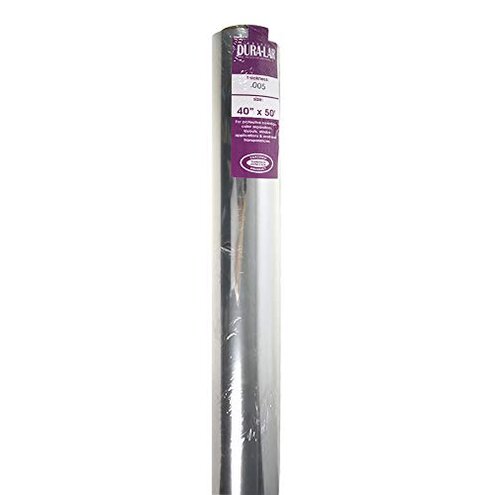
Product evaluated: Grafix .005 Clear Duralar - 40 Inch x 50 Foot Roll
Related Videos For You
DON’T MAKE THE SAME MISTAKES! *Mylar Paper Explained*
HOW TO use the Slice Pen Cutter on Drafting Film | Coloured Pencil TUTORIAL
Data basis: This report draws on dozens of buyer impressions collected from written reviews and video demonstrations between 2016 and Jan 2026; most feedback came from written reviews, supported by video clips and buyer photos.
| Outcome | Grafix .005 Duralar (40"x50') | Typical mid-range craft film |
|---|---|---|
| Lay-flat handling | Prone to curl on long sheets and after unrolling; needs extra flattening time. | Lays flatter out of the box with moderate handling effort. |
| Cutting & tear risk | Higher tear risk during hand cutting or heavy trimming compared with peers. | More forgiving for hobby cutters and craft knives. |
| Surface compatibility | Ink/adhesive sensitivity reported when used with some printers and spray adhesives. | Broader compatibility with common inks and glues. |
| Shipping condition | Visible creases on wide rolls are more common than expected for this category. | Less creasing when shipped by mid-range competitors. |
| Regret trigger | Workflow interruptions — extra flattening, recutting, or replacements are commonly required. | Fewer interruptions during normal craft sessions. |
Why does the roll refuse to lie flat when I need it?
Regret moment: You unroll a long sheet and it immediately curls, forcing extra taping or weights.
Pattern: This is a primary issue and appears repeatedly in buyer feedback.
When it appears: Right after unrolling and during long cutting or overlay sessions.
Worsens when: working on large-format projects, in low-humidity or when sheets stay rolled for long storage.
Category contrast: Most mid-range craft films lay flatter with simple flattening methods; this product needs more time or tools, increasing prep work and delays.
Why does trimming and cutting cause unexpected tears?
- Early sign: Small nicks appear when slicing with hobby blades.
- Frequency tier: A secondary issue seen often during hand cutting and rotary trimming.
- Cause: Slight thickness inconsistency or edge fragility makes fine cuts catch and tear.
- Impact: Cuts require rework or wasted material for stencils and overlays.
- Attempts: Buyers report slower, lighter passes or multiple blades to reduce tearing.
Why does dust cling and inks behave unpredictably?
- Surface issue: Static cling attracts dust during handling and positioning.
- Usage anchor: Shows up during placement and before adhesive application or printing.
- Frequency tier: A secondary issue across several reports, not universal but recurring.
- Compatibility note: Some buyers found ink smudging or poor adhesion with certain adhesives.
- Cause: Requires specific adhesives or primers for reliable results — a hidden requirement for some projects.
- Fixability: Static-reduction tools, tack cloths, or test prints are commonly recommended workarounds.
- Category contrast: Many mid-range films accept standard inks and adhesives with fewer prep steps.
Why do wide rolls arrive with creases and handling damage?
- Shipping sign: Visible crease lines or crush marks on wide sheets are reported frequently.
- When it appears: Immediately upon unwrapping large rolls for wide-format work.
- Worsening condition: Creases become more visible after attempted flattening and during printing or overlay.
- Frequency tier: A primary issue for buyers using the full roll width.
- Impact: Creases cause registration errors and visible flaws on final pieces.
- Attempts: People used warm pressing, weights, or cutters to remove creased sections, adding time and waste.
- Hidden requirement: Large-format projects often need a flatting station or extra staging area to fix shipping damage.
- Category contrast: Higher-quality mid-range rolls typically ship with better edge protection and flatter packing to avoid this step.
Illustrative excerpts (not actual quotes)
"Keeps curling no matter what I do to flatten it." — reflects a primary pattern.
"Tore on my second pass with a craft knife." — reflects a secondary pattern.
"Dust stuck to it even after cleaning before printing." — reflects an edge-case pattern.
Who should avoid this
- Large-format printers: Avoid if you need perfect flatness for wide prints; creasing and curl exceed category tolerance.
- Precision stencil makers: Avoid if you require clean hand cuts without tearing; this film is less forgiving than average.
- Beginners wanting plug-and-play: Avoid if you do not want extra prep steps such as flattening, special adhesives, or static control.
Who this is actually good for
- Workshop users who have a flattening station and accept extra prep; they can manage curl and creases.
- Cost-sensitive crafters willing to trim around defects and tolerate occasional tears for lower per-foot cost.
- Non-critical overlays where slight curling or surface dust is acceptable, such as protective covers or temporary templates.
Expectation vs reality
- Expectation: Reasonable for this category is that a 40" roll lays mostly flat after light handling.
- Reality: You often need extended flattening and trimming, which adds time and waste beyond category norms.
- Expectation: Typical craft film is easy to cut with hobby blades.
- Reality: This film can tear on the first pass, requiring gentler techniques and more blades.
Safer alternatives
- Choose flatter-packed rolls: Look for listings that advertise flat-shipped or reinforced cores to reduce crease risk.
- Prefer thicker gauges: Select a slightly thicker film to reduce tearing during cutting and handling.
- Check surface compatibility: Buy films labeled for printer and adhesive compatibility if you plan to print or glue directly.
- Use anti-static tools: Keep a tack cloth or anti-static brush handy for dust-prone workflows.
- Request photos of condition: For large rolls, ask sellers for packaging photos to confirm edge protection before purchase.
The bottom line
Main regret trigger: Curling, tearing, and creasing that interrupt workflow and cause waste.
Why it exceeds risk: These problems are more frequent and time-consuming here than with typical mid-range craft films.
Verdict: Avoid this roll if you need reliable lay-flat performance and clean cuts without extra prep or tools.
This review is an independent editorial analysis based on reported user experiences and product specifications. NegReview.com does not sell products.