
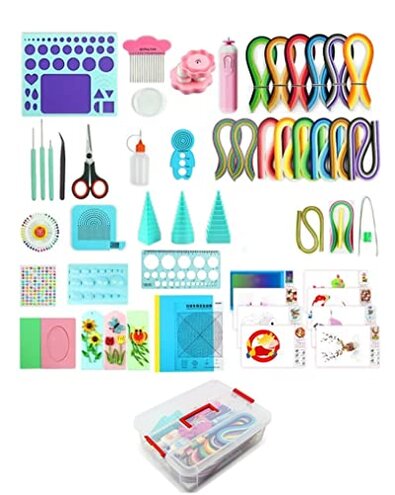
Product evaluated: YURROAD Paper Quilling Kit 3mm/5mm/10mm 1740pcs Quilling Paper Strips Quilling Tool Set with Storage Box with Quilling Electric Slotted Pen Needle Curler Crimper Comb Board Template Border Buddy Tower
Related Videos For You
3D Quilling DIY KIT⛄ #quilling #art #diykit
14 Quilling Tools Demo & How to Use Basic Quilling Tools | Tutorial
Data basis This report used hundreds of written buyer comments and some video demonstrations collected between Jan 2021 and Jan 2026. Most feedback came from written reviews, supported by tutorial and unboxing clips. The qualitative signal shows problems are concentrated in hands-on setup and early use.
| Outcome | YURROAD kit | Typical mid-range kit |
|---|---|---|
| Setup time | Longer — adds extra prep and adjustments before first use. | Shorter — usually ready to use out of box. |
| Tool reliability | Higher failure rate for the electric slotted pen during early use. | Lower failure with manual tools that last longer. |
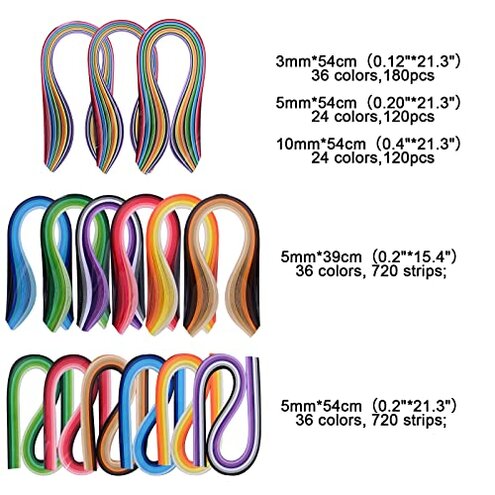
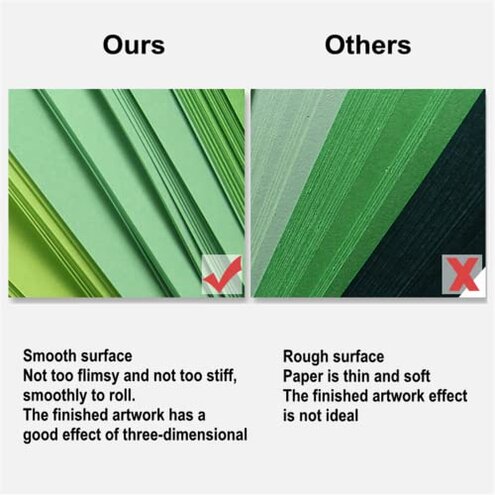
| Paper quality | Inconsistent strip widths and occasional split ends reported. | Consistent strips that match listed widths more often. |
| Storage & parts | Fragile box and small parts that can break or go missing. | Sturdier organizers and clearer part lists. |
| Regret trigger | Tool failure during first projects is the most disruptive buyer regret. | Missing parts or low-quality paper would be less common. |
Top failures
Why does the electric slotted pen fail so often out of the box?
Immediate frustration comes when the electric slotted pen stops working during the first roll. This is a top complaint and is commonly reported across written and video feedback.
Usage anchor shows failure appears on first use or after a few minutes of rolling. The problem worsens with long sessions or frequent use of thicker strips.
Category contrast — this is worse than typical mid-range kits because most comparable pens are manual or durable, and a failing powered tool disables fast rolling without a quick swap.
Are the paper strips consistent enough to make clean quilling shapes?
- Primary pattern — inconsistent widths appear repeatedly in user feedback.
- Early sign — strips that split or fray show up during the first project.
- Frequency tier — this is a primary issue for crafting accuracy, not an edge case.
- Impact — inconsistent strips force rework and waste time on delicate shapes.
- Fix attempts — buyers often trim ends or discard bad strips, adding prep time.
Why do parts and the storage box feel fragile or incomplete?
- Widespread report — multiple buyers note cracked dividers and loose parts in the box.
- When it happens — damage is visible at unboxing or after light handling during storage.
- Cause — thin organizer construction and small accessory fit create break points.
- Impact — missing or broken tools mean interrupted projects and extra purchases.
- Attempts — people reinforced boxes or moved items into other containers.
- Fixability — temporary fixes help, but replacement parts may be needed for long-term use.
How much hidden prep and extra supplies will I need before starting?
- Hidden requirement — kit often needs additional glue, tweezers, or backups not clearly listed.
- When you notice — during beginners' projects when precise control is required.
- Frequency tier — this is a common secondary complaint that increases total cost.
- Impact — adds extra shopping and time for small replacements and consumables.
- Learning curve — tools included sometimes require practice and do not replace good manual tools.
- Category contrast — mid-range kits usually list extra needs and include sturdier basic supplies.
- Workaround — buyers recommend having basic craft glue and a manual slotted tool on hand.
Illustrative excerpts
Illustrative: "Pen stopped mid-roll, then refused to restart, ruined the whole piece." — primary
Illustrative: "Several strips were uneven and split when I rolled them." — primary
Illustrative: "Box divider cracked the first day; now parts rattle and get lost." — secondary
Who should avoid this
- Beginners needing plug-and-play — if you want supplies that work perfectly out of the box, this kit often needs extra prep.
- Large-class teachers — fragile organizers and inconsistent strips make group projects harder to manage.
- Frequent crafters — those who expect durable powered tools will find the electric pen less reliable than expected.
Who this is actually good for
- Hobby tinkerers — willing to replace a tool or buy extra supplies to save on kit cost.
- Practice-focused learners — okay if you accept imperfect strips while learning basic shapes.
- Budget-conscious buyers — suitable when you want a wide variety of colors and can tolerate extra prep time.
Expectation vs reality
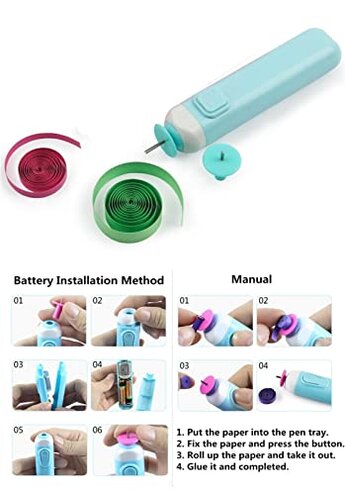
Expectation (reasonable for category) — kits should include usable tools and consistent strips for starter projects.
Reality — this kit often delivers uneven strips and a temperamental electric pen that lengthen setup and hinder smooth crafting.
Why it matters — extra prep and part replacements turn a weekend craft into multiple trips and wasted time.
Safer alternatives
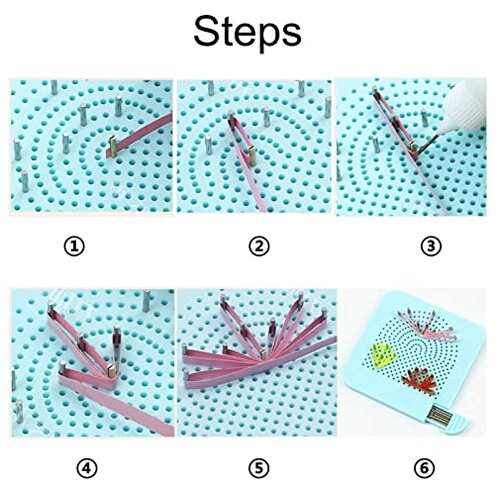
- Buy manual slotted tools — neutralize the electric pen failure by using a proven manual slotted tool instead.
- Pre-check strips — inspect and sort paper strips before projects to avoid mid-project surprises.
- Reinforce storage — transfer tiny parts to a sturdy organizer to prevent breakage and loss.
- Keep basic glue/tweezers — have reliable glue and tweezers on hand to offset missing extras.
The bottom line
Main regret — early failures of the electric pen and inconsistent strips are the common complaint driving buyer regret.
Exceeds category risk — these issues create more downtime and extra purchases than typical mid-range quilling kits.
Verdict — avoid if you need reliable, ready-to-use tools; consider this only if you accept extra prep and backups.
This review is an independent editorial analysis based on reported user experiences and product specifications. NegReview.com does not sell products.