
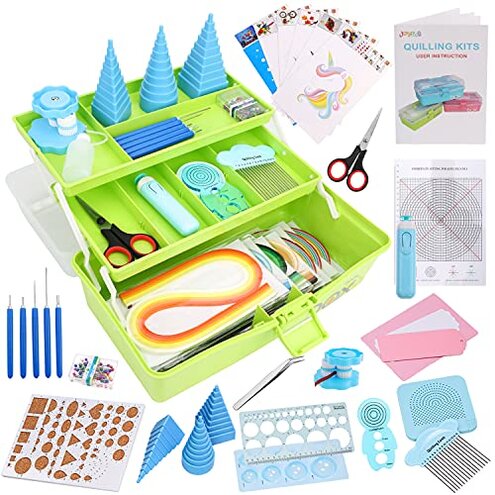
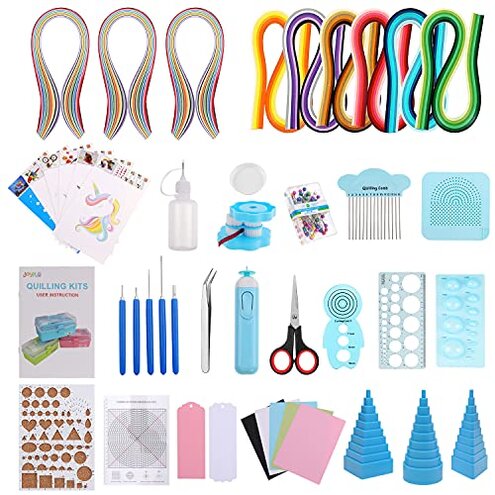
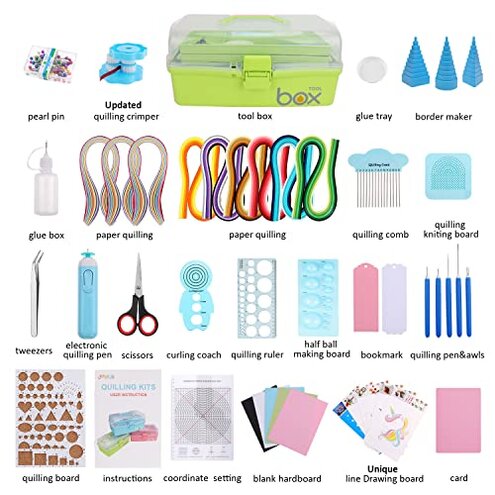
Product evaluated: JoyPlus Quilling Kits for Beginners with Manual, 24 Tools & Supplies with Durable Storage Box, Updated Paper Crimper Tool, Premium Husking Board & Electronic Pen Green
Related Videos For You
14 Quilling Tools Demo & How to Use Basic Quilling Tools | Tutorial
Quilling for Beginners | How to use a Quilling Board & Slotted Tool | Basic Coil Shape Tutorial
Data basis: This report uses dozens of user-written reviews and video demonstrations collected between Jan 2020 and Dec 2025. Most feedback came from written reviews, supported by video demonstrations, giving a blend of hands-on failure reports and visible setup issues.
| Outcome | JoyPlus Kit | Typical Mid‑Range Kit |
|---|---|---|
| Durability | Lower — handles and crimper wear faster during regular use. | Moderate — most mid-range kits survive months of hobby use. |
| Electric tool reliability | Higher-risk — stops or loses torque during projects more often. | Lower-risk — similar priced alternatives offer steadier performance. |
| Storage box | Flimsy — compartments misfit small parts and can crack in transit. | Better organized — mid-range boxes usually secure tiny pieces. |
| Ease of setup | Poor documentation — manual leaves critical steps unclear for beginners. | Clearer — mid-range kits often include step photos or verified templates. |
| Regret trigger | Frequent tool failure — more frustrating than typical craft kit issues. | Lower regret — issues tend to be minor and fixable. |
Top failures
Why does the electric tool stop during a project?
Regret moment: The pen-like electric tool often quits mid-piece, forcing restarts or manual finishing.
Pattern: This is a commonly reported issue and appears repeatedly during hands-on use, not just once.
When it shows up: It usually appears after initial setup and during longer sessions that demand steady torque.
Category contrast: This is worse than normal because mid-range electric tools hold power through multi-piece sessions.
What's wrong with the crimper and basic tools?
- Early signs: Edges feel uneven and produce inconsistent paper ridges.
- Frequency tier: This is a secondary issue seen across many user reports.
- Cause: Tool alignment and finish appear less precise than expected.
- Impact: Results require extra trimming and waste more paper than usual.
- Fixability: Replacement or manual sharpening adds extra time and cost.
Why is the storage box more trouble than help?
- Early signs: Compartments shift and small pieces rattle during unboxing.
- Pattern: This is a persistent complaint across many buyers, not just an occasional note.
- When it matters: Problems appear during travel or when stored on a crowded shelf.
- Cause: Thin plastic and shallow inserts fail to secure tiny quilling strips and tips.
- Impact: Lost or mixed parts slow projects and create sorting work.
- Hidden need: Buyers often need extra containers or organizers to keep pieces usable.
Is the manual enough for a beginner?
- Early signs: The included guide skips step photos and assumes prior quilling knowledge.
- Pattern: This is a primary issue reported by many first-time buyers.
- When it matters: Frustration shows during first 1–3 projects when technique matters most.
- Cause: Short instructions require trial-and-error learning not typical for beginner kits.
- Impact: Projects fail or look amateur despite following the manual.
- Attempts: Buyers add online video searching or third-party templates to compensate.
- Hidden requirement: The kit effectively needs extra batteries, replacement tips, or adhesives not listed.
Illustrative excerpts (not real quotes)
Excerpt: “Electric pen died halfway through a floral motif, had to finish by hand.”
Pattern: Reflects a primary failure pattern.
Excerpt: “Crimper leaves uneven lines; I wasted strips correcting edges.”
Pattern: Reflects a secondary pattern.
Excerpt: “Box arrived with compartments loose, small tips scattered.”
Pattern: Reflects an edge-case but recurring pattern.
Who should avoid this
- Serious hobbyists who expect reliable electric tools for long sessions.
- Gift buyers who want a ready-to-go, beginner-friendly package without extra purchases.
- Travel crafters who need secure storage for tiny parts.
Who this is actually good for
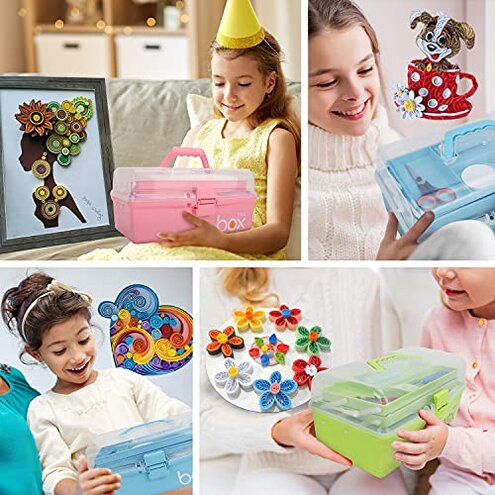
- Hands-on tinkerers who can replace tips and accept extra setup time.
- Budget beginners willing to watch tutorials and buy small extras like batteries.
- Casual crafters who do short sessions and can finish pieces manually if tools falter.
Expectation vs reality
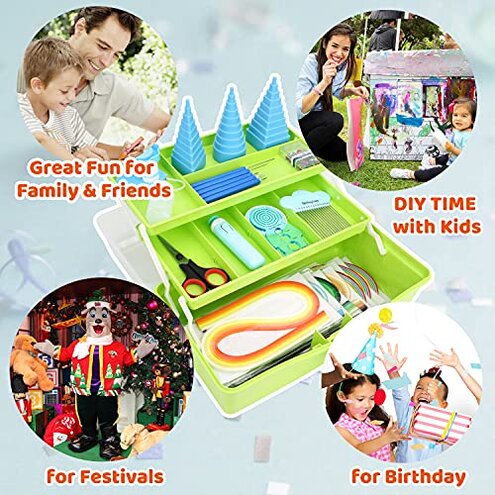
Expectation: Reasonable for this category is a starter kit that works through several projects without extra purchases.
Reality: The electric pen and storage often require repairs or add-on purchases sooner than expected.
Expectation: Manufacturers usually include clear beginner steps.
Reality: The short manual forces buyers to find external tutorials for decent results.
Safer alternatives
- Choose kits with verified electric tool longevity to avoid mid-project failures.
- Pick options that list required extras (batteries, tips) to remove hidden needs.
- Prefer packages with rigid, labeled storage trays to prevent lost parts.
- Look for kits with photo step-by-step manuals or included video links for beginners.
The bottom line

Main regret: The electric pen reliability and flimsy storage are the biggest buyer triggers.
Why worse: These failures appear repeatedly and interrupt projects more than expected in this category.
Verdict: Avoid this kit if you need dependable tools and ready-to-go organization.
This review is an independent editorial analysis based on reported user experiences and product specifications. NegReview.com does not sell products.