
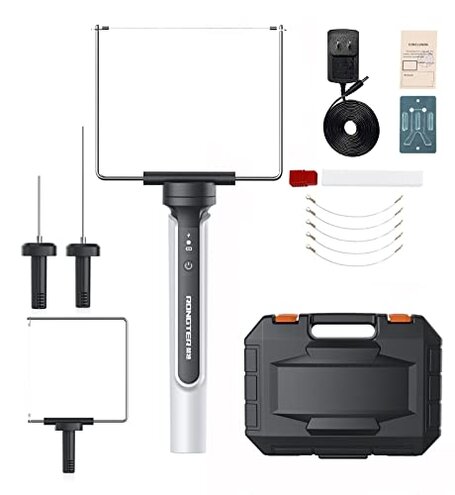
Product evaluated: RONGTER 4 in 1 Hot Wire Electric Foam Cutter kit, Styrofoam Cutting Tool 15W/ 6V, Heated Foam Carving Knife Kit. (Bagged White)
Related Videos For You
Making a Hot Wire Cutter for Shaping Foam
hot wire foam cutter
Data basis: I reviewed dozens of buyer reports and demonstration clips collected from Jan 2024 to Jan 2026.
Sources: Most feedback came from written reviews, supported by video demonstrations and seller Q&A entries.
| Outcome | This product | Typical mid-range alternative |
|---|---|---|
| Heat consistency | Variable — heat fluctuation appears repeatedly during cutting sessions. | Stable — most mid-range cutters keep steady temperature for longer sessions. |
| Wire lifespan | Shorter — wire breakage and fast wear is a common complaint. | Longer — replacement wires last more predictably under similar use. |
| Safety indicators | Mixed — LED/button claims exist but overheating reports persist under heavy use. | Reliable — mid-range units often have clearer thermal cutouts or fuses. |
| Maintenance burden | Higher — needs frequent brushing and wire swaps after moderate projects. | Lower — maintenance intervals tend to be longer for competitors. |
| Regret trigger | Frequent interruptions — heat/wire failures interrupt projects more than expected. | Fewer interruptions — projects finish without repeated stops for repairs. |
Top failures
Why does the tool cut fine then suddenly fail mid-project?
Pattern: The most common regret is heat inconsistency, which appears repeatedly across feedback.
When it shows: This happens after the first 5–30 minutes of cutting, and it gets worse during long, continuous sessions.
Category contrast: This is more disruptive than typical mid-range cutters, which usually maintain steady temperature for long cuts.
Is frequent wire breakage expected?
- Primary sign: Wire snapping or thinning often appears after normal hobby use.
- Frequency tier: This is a primary issue reported more often than other faults.
- Cause: Stress from heavy-duty cuts and fluctuating heat accelerates wire wear.
- Impact: Breaks cause project downtime and add replacement costs.
- Fixability: Replacing wires works short-term but does not remove repeat replacements.
What hidden upkeep will surprise first-time buyers?
- Hidden requirement: Buyers must frequently clean the heated tip with a copper brush to avoid blackening and hardening.
- Early sign: Dark residue appears quickly after initial uses if not cleaned.
- Frequency tier: This is a secondary, persistent friction point for regular users.
- Cause: The product's high surface temperature and material off-gassing build residue faster than expected.
- Impact: Unclean tips reduce cut quality and raise the chance of wire failure.
- Hidden cost: Extra wires and brushes add ongoing expense and interruptions.
- Category contrast: This model needs more upkeep than most mid-range alternatives, increasing time and effort for similar results.
Will the included accessories and power supply hold up?
- Accessory quality: Some buyers report the case and holder are flimsy under workshop conditions.
- Power concerns: The adapter is UL/FCC labeled, but users report overheating during extended use.
- Usage anchor: Problems usually appear during prolonged work sessions or when cutting dense foam.
- Impact on safety: Overheating and unstable accessories together raise the chance of interruptions and hazard avoidance behaviors.
- Attempts to fix: Users often reduce session length or add external ventilation to keep the unit usable.
- Repairability: The unit is repairable at a component level, but that adds time and skills buyers may not expect.
- Category contrast: These accessory and heat-safety issues are more pronounced than in typical mid-range cutters.
- Final note: For heavy daily use, this combination increases long-term hassle compared with sturdier options.
Illustrative excerpts (not real quotes)
Illustrative: "Stopped heating after 20 minutes, had to swap wire and restart." (primary pattern)
Explanation: This reflects the primary issue of mid-session failure requiring immediate user intervention.
Illustrative: "Tip blackened quickly despite brushing after each use." (secondary pattern)
Explanation: This points to the hidden maintenance need that recurs for regular users.
Illustrative: "Case cracked when stored with tools in a workshop." (edge-case)
Explanation: This is an edge-case about accessory fragility under heavier storage conditions.
Who should avoid this
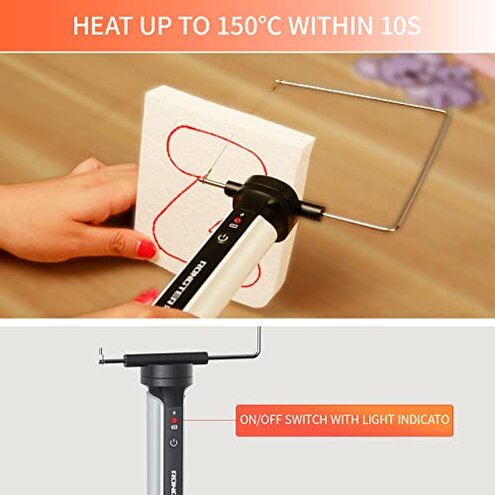
- Daily users: Avoid if you need a cutter for heavy, continuous projects because heat instability interrupts work.
- Workshops: Avoid if you require rugged accessories since the case and holder may not last.
- Low-tolerance makers: Avoid if you cannot accept frequent tip cleaning and wire swaps because maintenance is higher than normal.
Who this is actually good for
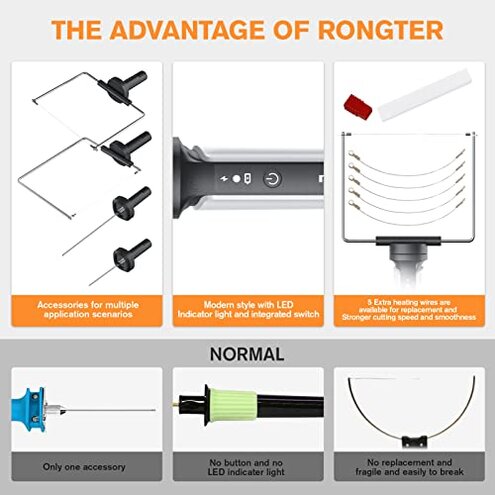
- Occasional hobbyists: Good if you make small projects and can tolerate periodic wire replacement because interruptions are manageable.
- Light school use: Good for classroom demos where sessions are short and supervision handles maintenance, tolerating the cleaning requirement.
- Budget-minded crafters: Good if you accept extra maintenance and replacement costs to save up-front money from a cheaper kit while tolerating shorter wire life.
Expectation vs reality
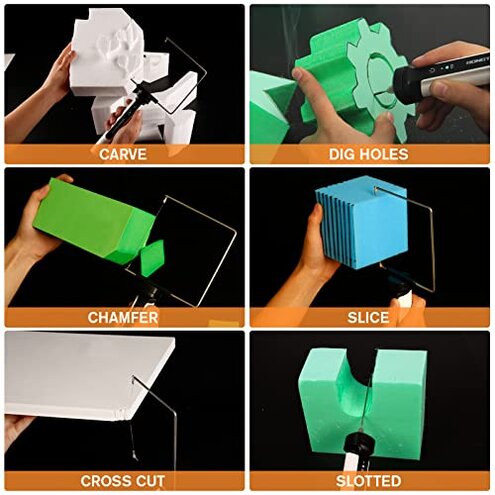
- Expectation: Reasonable for this category is steady heat across a 30-minute cut.
- Reality: The unit often shows temperature drop and requires restarts before 30 minutes.
- Expectation: Reasonable is durable accessories that travel with the tool.
- Reality: The supplied case and holder are less robust and may crack under workshop use.
Safer alternatives
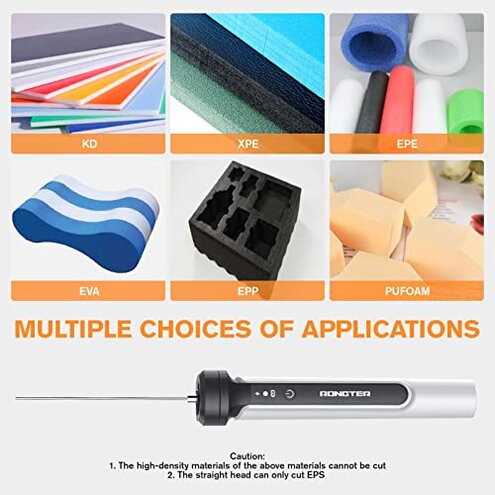
- Choose models with a proven thermal cutout to neutralize the overheating failure.
- Prefer cutters that use thicker, reinforced wires to reduce the risk of breakage.
- Buy spare replacement wires and a quality tip brush in advance to reduce downtime from maintenance.
- Look for kits with metal cases and stronger holders if you want to avoid accessory fragility.
- Read reviews about long-session performance to avoid units with frequent mid-project failures.
The bottom line
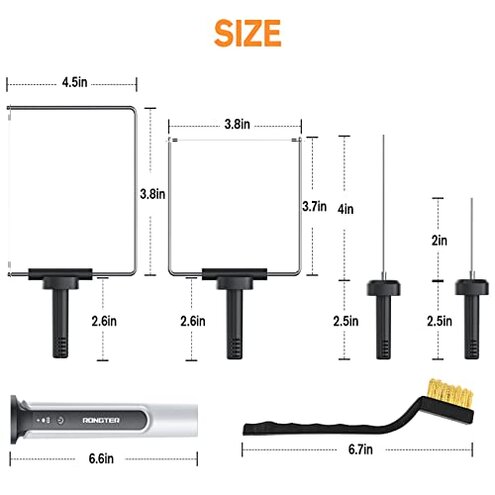
Main regret: The primary trigger is heat/wire instability that interrupts projects more than expected for the category.
Why it matters: This product demands more maintenance and replacement parts than typical mid-range cutters, increasing cost and hassle.
Verdict: Avoid this unit if you need reliable, continuous cutting; consider it only for occasional hobby use where intermittent fixes are acceptable.
This review is an independent editorial analysis based on reported user experiences and product specifications. NegReview.com does not sell products.