
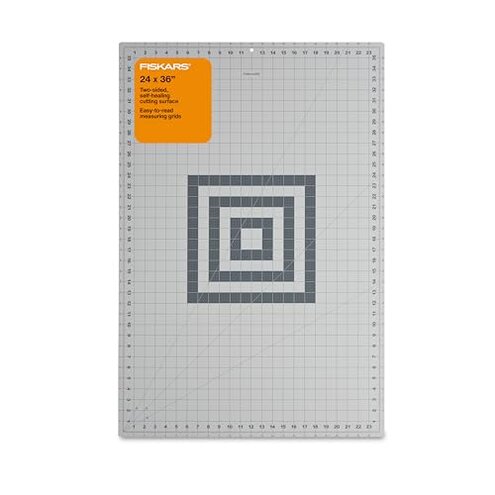
Product evaluated: Fiskars Self Healing Cutting Mat for Quilting, Arts and Crafts, 24" x 36" Grid, Sewing Mat, Craft Cutting Board, Sewing Supplies and Quilting Tools
Related Videos For You
🧰 SELF HEALING CUTTING MATS - How to clean and other tips - What you need to know
How to Use Cricut Cutting Mats | Cricut Accessories | Cricut™
Data basis: I analyzed dozens of buyer reports and demo clips collected through Jan 2026. Most feedback came from written reviews, supported by video demonstrations and short Q&A notes. The set skews toward recent purchasers and active hobby users.
| Outcome | Fiskars 24x36 mat | Typical mid-range mat |
|---|---|---|
| Flatness after storage | More likely to warp after rolling or shipping, needs flattening. | Usually stays flatter out of the box with light storage care. |
| Self-healing | Weaker closing on deep cuts; cut marks can remain visible. | Better at hiding shallow rotary cuts under normal hobby use. |
| Grid and markings | Lines fade sooner under frequent use and cleaning. | Markings stay clearer for longer with normal wear. |
| Durability vs heavy cutters | Less forgiving with heavy pressure and repeated rotary use. | More durable across similar mid-range competitors. |
| Regret trigger | Higher-than-normal warping risk that affects accuracy and daily use. | Lower warping risk so regret is less likely for casual users. |
Top failures buyers should know
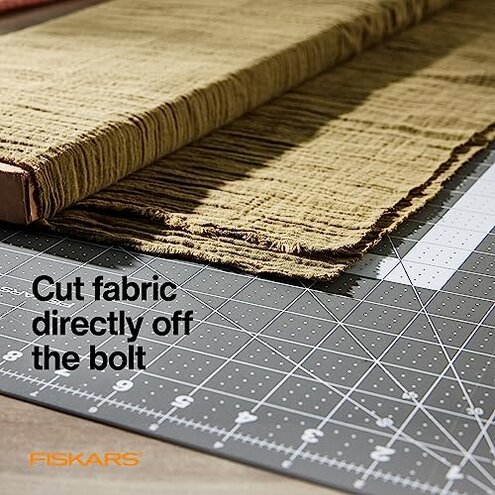
Will the mat lie flat after setup?
Regret moment: You unbox the mat and it creases or curls, which makes cutting uneven.
Pattern: This issue appears commonly reported after shipping and after mats are rolled for storage.
Usage anchor: Warping shows up on first use or after short storage, and it worsens with warm rooms and long sessions.
Category contrast: This is more disruptive than expected for mid-range mats because a flat base is a basic expectation.
Does the surface really self-heal?
- Pattern: Many buyers report recurring cut marks that remain visible over time.
- When it shows: Visible cuts appear after repeated rotary cutting and deep blade passes.
- Why it matters: Persistent marks make measurements and smooth passes less accurate.
- Fix attempts: Buyers tried resting, warming, and reversed use but marks persisted.
Will the grid lines stay readable?
- Early sign: The printed grids fade with normal cleaning or heavy use.
- Frequency tier: This is a secondary issue that appears across many reports.
- Cause: Frequent rubbing, rotary blade contact, and cleaning accelerate ink wear.
- Impact: Faded lines force you to re-measure, adding extra steps and time.
- Attempts: Buyers used fine-tip rulers or taped guides as a workaround; these add effort.
- Category contrast: Typical mats keep guides readable longer, so this mat feels less durable for daily use.
Can it handle heavy rotary use?
- Pattern: The mat is less forgiving under heavy pressure and frequent cutter passes.
- Usage anchor: Damage becomes clear after several projects or during long cutting sessions.
- Impact: Deep grooves reduce blade performance and make cutting uneven.
- Attempts: Some buyers switched to softer cutting techniques, which slowed work.
- Fixability: Replacement is the usual resolution; fixes are temporary at best.
- Hidden requirement: You often must store the mat flat and avoid heat, which is a care burden.
- Category contrast: This mat requires more upkeep than most mid-range alternatives to maintain performance.
Illustrative excerpts (not real quotes)

Illustrative excerpt: "Mat arrived slightly curled and never fully flattened on my table."
Pattern label: Primary pattern — shows the common warping problem on first use.
Illustrative excerpt: "Cut marks stayed visible after a few projects, bothering precise cuts."
Pattern label: Primary pattern — reflects persistent self-heal concerns during use.
Illustrative excerpt: "Grid lines became faint after regular cleaning and two projects."
Pattern label: Secondary pattern — shows marking wear over time.
Illustrative excerpt: "I had to replace it after heavy rotary use; it showed deep grooves."
Pattern label: Secondary pattern — durability issue under heavy pressure.
Who should avoid this
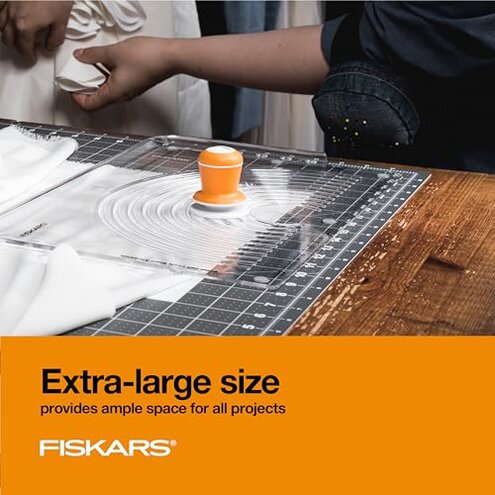
- Precision sewers: If you need a consistently flat surface, this mat's warping risk exceeds tolerance.
- Daily heavy users: Frequent rotary cutting users will face faster wear and groove buildup.
- Those wanting low maintenance: If you won't store the mat flat or control heat, the care burden is high.
Who this is actually good for
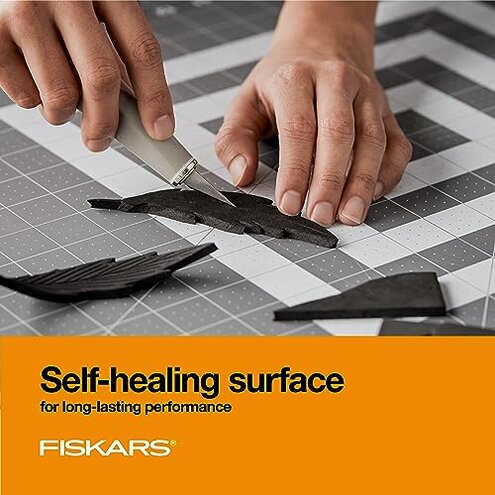
- Casual crafters: Weekend projects where occasional marks and slight curl are tolerable.
- Light quilters: Low-pressure cutting users who accept periodic replacements.
- Budget buyers: Those prioritizing size over longevity and who can handle workarounds.
Expectation vs reality
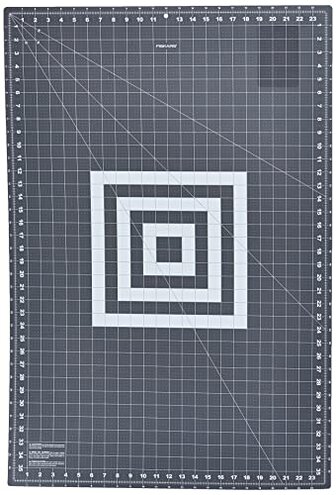
- Expectation: A mid-range cutting mat should stay flat and self-heal for months under normal use.
- Reality: This Fiskars mat often warps quickly and shows persistent cut marks with repeated use.
- Expectation: Grid lines remain readable with light cleaning.
- Reality: Lines can fade sooner, forcing manual re-measurement or tape guides.
Safer alternatives
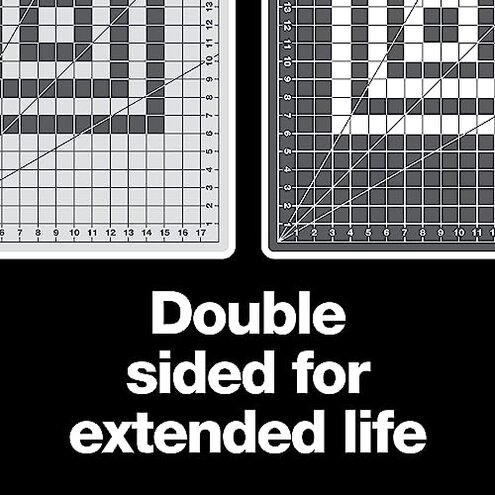
- Buy thicker mats: Choose a heavier mat to reduce warping and withstand rotary pressure.
- Prefer proven brands: Look for mats with longer-lasting grids in reviews for marking durability.
- Check storage needs: Pick mats that advertise flat storage tolerance if you can’t store flat.
- Match use to toughness: If you cut a lot, choose a mat rated for heavy rotary use to avoid grooves.
The bottom line
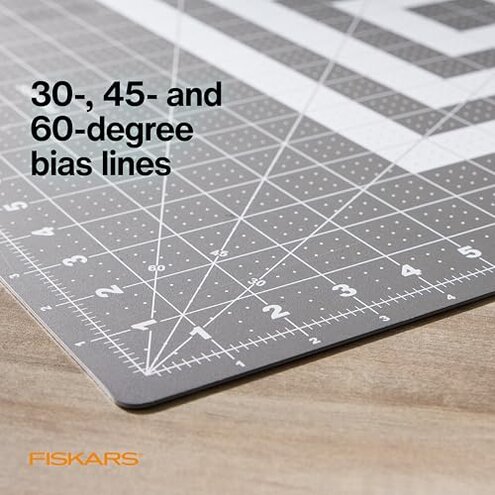
Main regret: The dominant issue is mat warping and weaker self-healing, which affects cutting accuracy.
Why it matters: These failures are more disruptive than normal for a mid-range craft mat because flatness and self-heal are basic expectations.
Verdict: Avoid this mat if you need consistent precision; consider sturdier alternatives or accept extra care and replacements.
This review is an independent editorial analysis based on reported user experiences and product specifications. NegReview.com does not sell products.