
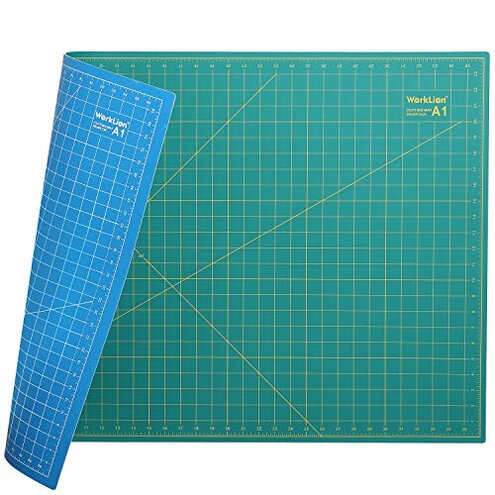
Product evaluated: WORKLION 24" x 36" Large Self Healing PVC Cutting Mat, Double Sided, Gridded Rotary Cutting Board for Craft, Fabric, Quilting, Sewing, Scrapbooking - Art Project…
Related Videos For You
🧰 SELF HEALING CUTTING MATS - How to clean and other tips - What you need to know
Data basis: This report is based on dozens of written reviews and several video demonstrations collected between 2020 and 2025. Most feedback came from written reviews, supported by video examples and seller Q&A. Signal mix shows repeated patterns rather than isolated complaints.
| Outcome | WORKLION 24 x 36 | Typical mid-range mat |
|---|---|---|
| Flatness over time | Warps or curls reported after unpacking or months of use. | Mostly stays flat under normal storage and use. |
| Self-healing | Surface gouges become visible after repeated heavy cuts. | Better recovery with fewer visible gouges for typical buyers. |
| Blade wear | More blade drag and faster dulling reported by frequent cutters. | Gentler on blades for similar mid-range products. |
| Grid durability | Printing fades after regular cleaning or long use. | Sharper grids lasting longer on better alternatives. |
| Regret trigger | Higher-than-normal risk of warping and surface wear that affects cutting accuracy. | Lower risk of accuracy loss for typical mid-range mats. |
Why does the mat curl or warp so quickly?
Regret moment: Buyers open the product and find edges curling or a bow in the middle that blocks straight cuts. Severity is high for precision tasks like quilting because the surface stops lying flat.
Pattern: This is among the most common complaints and appears repeatedly across written reviews and videos. When it shows up is often within days to months after unboxing, especially if stored rolled or used in high-humidity rooms. Category contrast: This is worse than typical mid-range mats which usually arrive flatter and stay usable longer.
Is the surface really self-healing?
Primary pattern: Many users report visible gouges and cuts that do not close well after repeated use. Frequency tier: This is a primary issue for heavy users.
- Early sign: Small deep cuts appear after moderate pressure or repeated slicing.
- Cause: Repeated rotary or heavy straight-blade cutting accelerates surface wear.
- Impact: Cutting accuracy and material stability suffer during long sessions.
- Fix attempts: Many buyers try flipping the mat, but results are often temporary.
- Hidden requirement: Requires lighter pressure or frequent blade changes to avoid permanent marks.
Will the printed grid stay readable?
Pattern frequency: Gridlines and angle marks are commonly reported to fade or smear after cleaning or months of use. Usage anchor: This becomes noticeable when you clean glue, paint, or adhesive from the mat or after extended daily use.
- Early sign: Lines look thinner after a few cleanings.
- Scope: Seen across multiple feedback sources including videos and photos.
- Cause: Printed surface lacks abrasion resistance compared to better mats.
- Impact: Measuring becomes slower and error-prone for detailed projects.
- Attempted fixes: Buyers trace over lines or use a separate ruler to compensate.
- Category contrast: Fading is more frequent than expected for mid-range cutting mats.
- Long-term effect: Permanent readability loss reduces the mat's useful life.
Does this mat dull blades or feel too thin?
Observed pattern: Some buyers report excess blade drag and faster dulling compared with other mats. Frequency tier: This is a secondary but noticeable complaint among frequent cutters.
- Early sign: Cut resistance feels higher on first use for some buyers.
- Cause: Surface firmness and thickness are not as protective as expected for heavy use.
- Impact: Increased blade replacements and more time changing blades during long sessions.
- Hidden cost: Ongoing blade purchases add to lifetime expense.
- Attempted fixes: Users switch to thinner blades or alternate cutting directions to reduce wear.
- When it worsens: Long sessions and frequent rotary-cutter use make the issue more disruptive.
- Category contrast: This causes more upkeep than most mid-range alternatives.
- Fixability: Partially fixable by lighter pressure and frequent blade swaps, but still a recurring annoyance.
Illustrative excerpts
Excerpt: "Edges started curling after a week of normal use, blocking straight cuts." — primary pattern, shows early warping.
Excerpt: "Deep grooves stayed visible despite flipping the mat several times." — primary pattern, shows self-healing failure.
Excerpt: "Grid lines faded after a few cleanings, now I use a ruler." — secondary pattern, shows print durability issue.
Who should avoid this
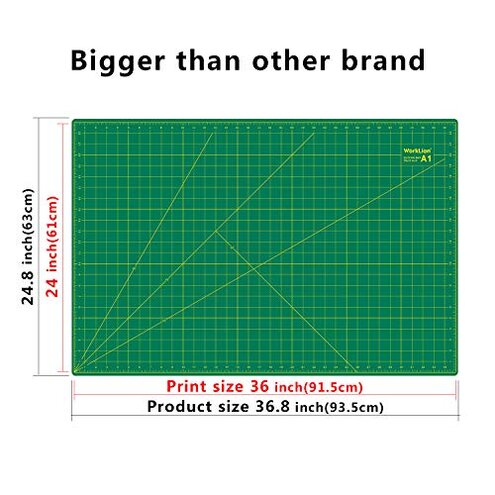
- Precision quilters: If you need exact, flat surfaces for long sessions, the warping risk exceeds normal tolerance.
- Heavy rotary users: If you cut daily or press hard, the self-healing failure and blade wear are likely unacceptable.
- Workshop buyers needing durable grids: If clear measurement marks matter, the fading grid problem will slow you down.
Who this is actually good for
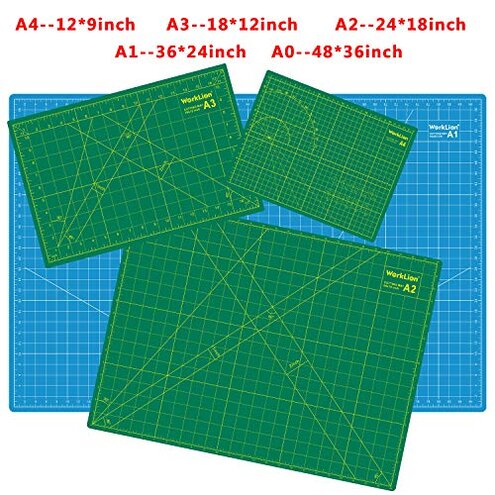
- Casual crafters: If you cut occasionally and accept some surface wear, the price-to-size trade-off can work.
- Large-format hobbyists on a budget: If you need a big mat for light projects, you may tolerate the flatter lifespan.
- Non-precision projects: For rough cutting or protecting a table during messy tasks, the protective function is still useful.
Expectation vs reality
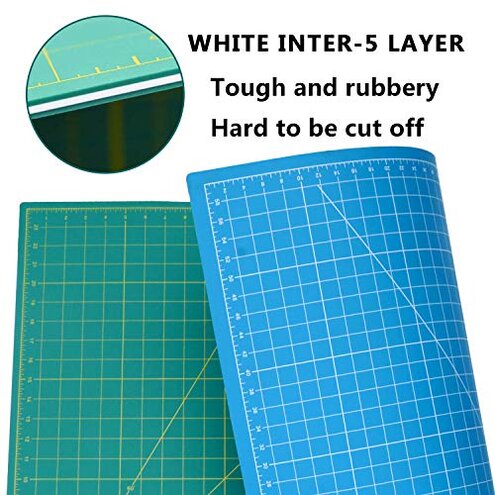
- Expectation: Reasonable for this category to be flat out of the box. Reality: Many buyers find curling or bowing shortly after unpacking.
- Expectation: Self-healing hides light cuts under normal use. Reality: Gouges often stay visible for heavy or repeated cuts.
- Expectation: Grids remain readable with gentle cleaning. Reality: Lines fade faster than typical mid-range mats.
Safer alternatives
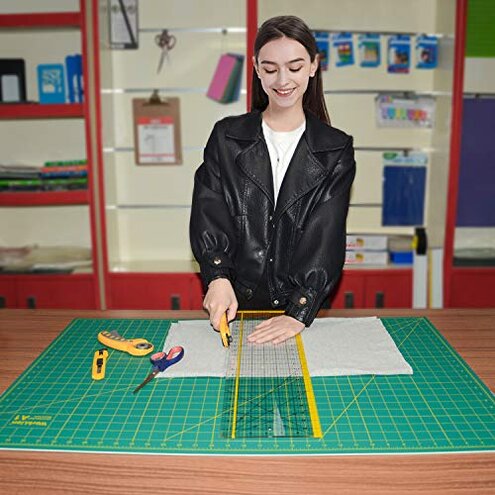
- Choose thicker mats: Opt for mats advertised as thicker than 3mm to reduce warping and blade wear.
- Look for laminated grids: Prefer mats with protected printing to avoid fading from cleaning.
- Buy flat-shipped or rigid-backed mats: These reduce initial curl risk for large sizes.
- Test return policy: Prioritize sellers with easy returns so you can check flatness on arrival.
The bottom line
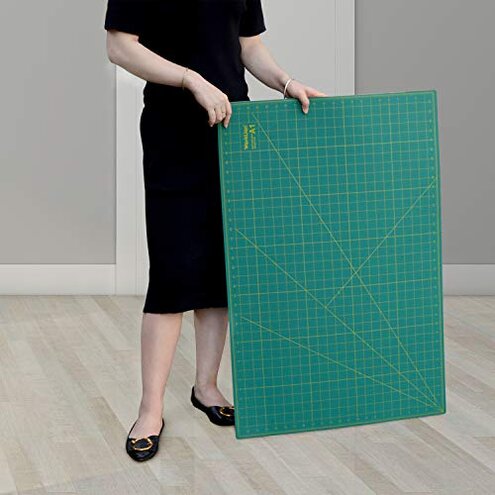
Main regret: The most common trigger is warping and surface wear that reduces cutting accuracy and increases upkeep.
Why worse: These issues are more disruptive than expected for mid-range mats and often appear early in use.
Verdict: Avoid this mat if you need long-term precision or heavy daily use. Consider it only for occasional, low-pressure cutting or as a budget large-size option.
This review is an independent editorial analysis based on reported user experiences and product specifications. NegReview.com does not sell products.