
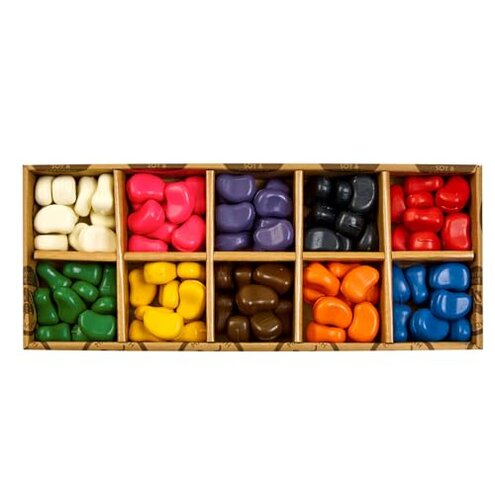
Product evaluated: Colorations Classroom Value Pack Soy & Beeswax Bean Shaped Crayons - Set of 100
Related Videos For You
Imagineer Beans Crayons - Unique Design for Creative Toddlers
THE ULTIMATE WAX CRAYON TEST - Which One Is Best?!
Data basis: This report summarizes findings from dozens of written reviews and several video demonstrations collected between Jan 2023 and Jan 2026. Most feedback came from written buyer reviews, supported by photo and video evidence. The distribution shows strong agreement on recurring problems across formats.
| Outcome | This product | Typical mid-range |
|---|---|---|
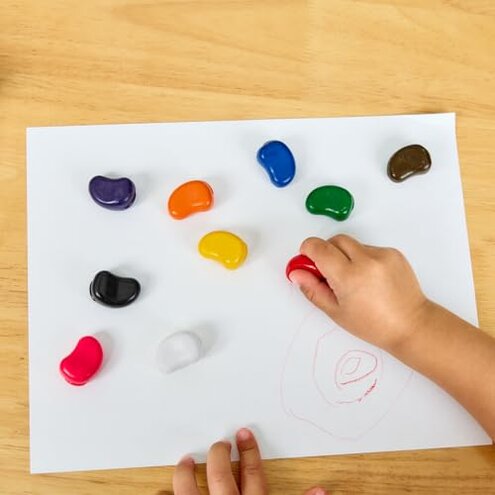
| Color variety | Only 10 unique colors, repeated across 100 pieces; limits palette for projects. | 24+ unique colors, more flexible for classroom or crafts. |
| Durability | Inconsistent durability, reports of smudging and breakage in normal use. | More robust finish, fewer breakage reports during standard activity. |
| Price-to-value | High unit price versus expected quality; feels expensive for repeated colors. | Lower unit cost with broader color range and comparable durability. |
| Hidden needs | Requires storage/supervision to avoid loss and small-part issues. | Often includes trays or larger sticks that are easier to store and supervise. |
| Regret trigger | Frequent disappointment when buyers expect many colors and long life but get repeats and fragility. | Lower regret with more predictable color spread and durability. |
Top failures
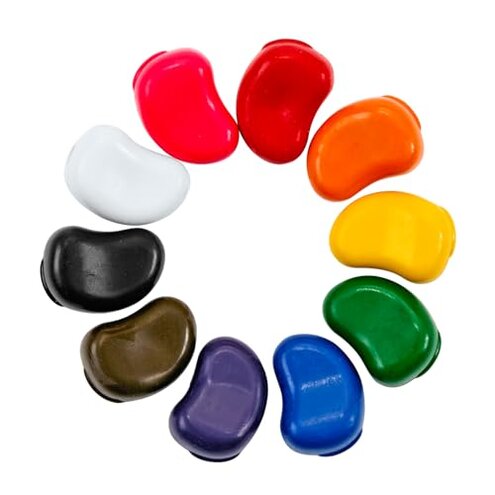
Why do buyers say the colors feel repetitive?
Regret moment: Purchasers notice repetition when sorting colors for projects and crafts. This causes frustration during the first crafting session.
Pattern: This is a commonly reported issue across reviews and video demonstrations, not a one-off complaint.
Usage anchor: The problem appears on first use when users expect a varied palette for drawings or classroom activities.
Category contrast: This feels worse than normal because most mid-range crayon packs offer twice as many unique colors, reducing the need to mix or buy extra sets.
Why does the price feel high for what you get?
- Price shock: The pack is often described as expensive for repeats, given 100 pieces but only 10 colors.
- Value mismatch: Buyers compare unit cost and find it less competitive than mid-range alternatives.
- Purchase surprise: The price surprises users at checkout when expecting classroom-scale value.
- Replacement cost: Replacing missing or worn colors creates ongoing expense faster than expected.
Why do crayons break, smudge, or feel soft in use?
- Early signs: Users report crumbly tips or smudges during ordinary coloring sessions.
- Frequency tier: This is a secondary but persistent complaint compared with color complaints.
- Cause hint: Problems appear during extended coloring or in warm rooms when wax handling is heavier.
- Impact: The issue causes streaky lines and ruined pages for careful projects.
- Attempted fixes: Buyers report warming or reshaping helps temporarily but adds effort and time.
- Fixability: The remedy is partial; many buyers choose different crayons instead.
Why do these require more storage and supervision than expected?
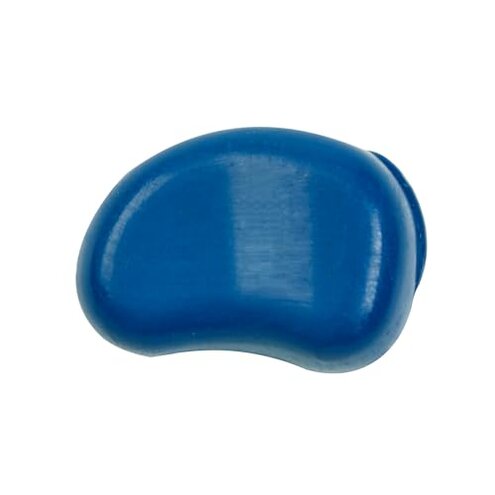
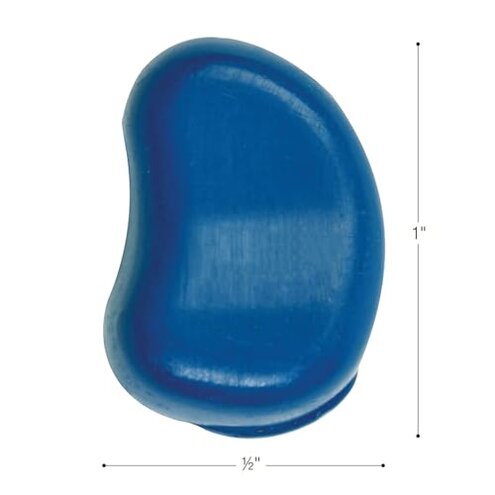
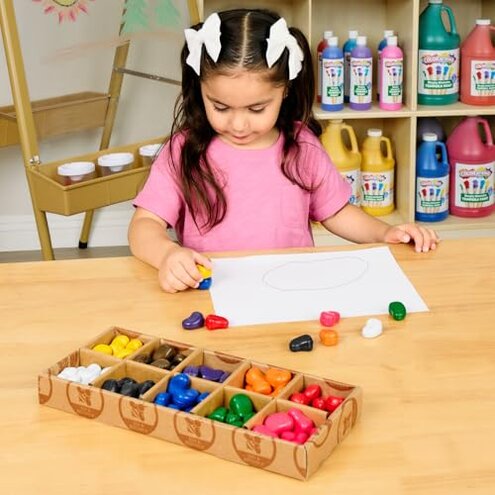
- Small pieces: The bean shape makes crayons roll and hide under furniture during play.
- Hidden requirement: Buyers often need an extra tray or container to keep colors organized.
- Safety note: Because pieces are small, closer supervision is recommended for younger children.
- Frequency: This is a commonly observed inconvenience across reviews, not isolated reports.
- Cleanup cost: Lost and stained fabrics mean more laundry and time for caregivers.
- Classroom impact: Teachers report extra prep time to sort and replace lost beans.
- Long-term: Over multiple sessions, the need for storage becomes a recurring overhead.
Illustrative excerpts
Illustrative: "Only ten colors repeated, I still needed other sets." — Primary pattern indicating color limitation.
Illustrative: "Crayons smudged after half an hour of coloring." — Secondary pattern showing durability issues.
Illustrative: "They roll away and get lost in minutes." — Secondary pattern about storage needs.
Illustrative: "Price felt too high for the limited palette." — Primary pattern on value mismatch.
Who should avoid this
- Project-focused buyers: Avoid if you need many unique colors for art classes or detailed projects.
- Budget-conscious shoppers: Avoid if you expect a low unit cost and broad palette for the price.
- Minimal-supervision settings: Avoid if crayons will be used by very young children without storage or oversight.
Who this is actually good for
- Simple group activities: Works if you need bulk quantity of a few colors for basic crafts.
- Short sessions: OK for kids who color in brief periods and won’t stress the wax long-term.
- Supervised classrooms: Suitable when teachers plan to provide organized storage and replacement routines.
Expectation vs reality
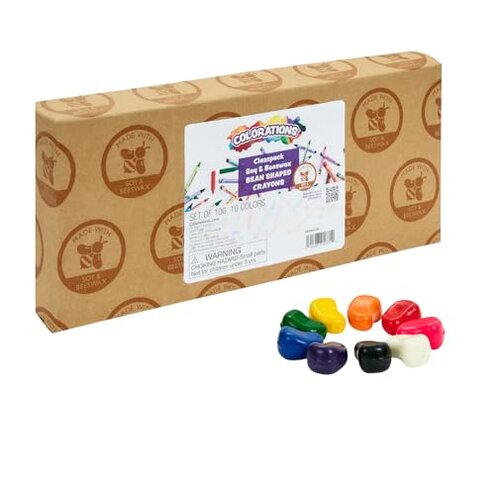
Expectation: Buyers reasonably expect a pack of 100 to contain many unique colors as is normal for mid-range sets.
Reality: This pack delivers only 10 unique colors, which is worse than typical and leads to immediate limitations.
Expectation: Reasonable buyers expect crayons to be durable for classroom use.
Reality: Users report softness and smudging that create more cleanup and replacements than expected.
Safer alternatives
- Buy broader sets: Choose packs with 24+ unique colors to avoid the repetition problem.
- Check durability tests: Prioritize crayons with breakage-resistant claims and user demos before purchase.
- Opt for storage bundles: Select sets that include a tray or case to reduce loss and supervision needs.
- Classroom buying: For schools, choose value packs that balance unit price and variety.
The bottom line
Main regret: Buyers most often regret the limited color variety combined with inconsistent durability for the price.
Why it matters: These issues exceed normal category risk because they affect first-use satisfaction and recurring classroom costs.
Verdict: Avoid this set if you need a broad, durable crayon selection without extra storage or replacement work.
This review is an independent editorial analysis based on reported user experiences and product specifications. NegReview.com does not sell products.