
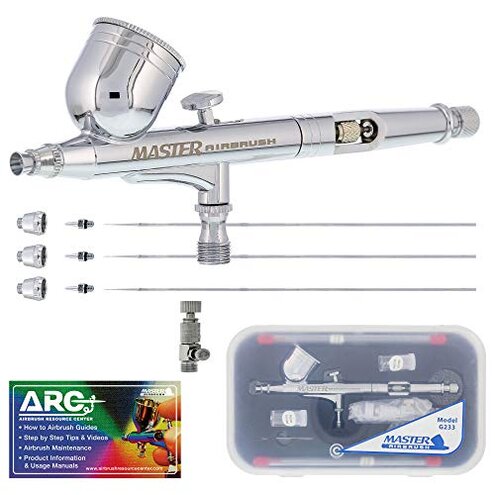
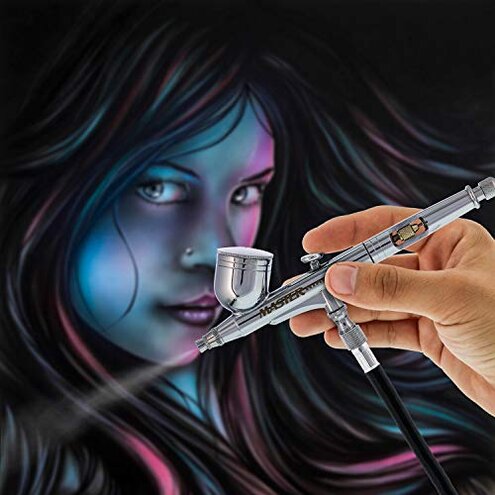
Product evaluated: Master Airbrush G233 Performance Pro Airbrush Kit with 3 Nozzle Sets (0.2, 0.3 & 0.5mm Needles, Fluid Tips & Air Caps), Gravity Dual Action - Air Brush Guns for Painting, Aerografo Body Art & Cake
Related Videos For You
How To Airbrush for the complete beginner
How to disassemble and clean your airbrush easy step by step
Data basis: I analyzed dozens of written customer reviews and several video demonstrations collected from 2016 through 2025, with most feedback coming from written reviews and supported by videos.
| Outcome | Master Airbrush G233 | Typical mid-range alternative |
|---|---|---|
| Spray consistency | Inconsistent: commonly reports of sputter and clog during first uses. | Smoother: fewer early clogs and more even spray out of the box. |
| Durability | Higher failure risk: needle/nozzle wear or misalignment seen more often than expected. | Longer lasting: parts remain aligned with routine cleaning. |
| Cleaning effort | Labor intensive: frequent disassembly and extra flushing needed. | Easier upkeep: simpler cleaning steps for similar kits. |
| Tuning and assembly | Tricky setup: users report extra adjustments after first assembly. | Plug-and-play: typical mid-range needs less initial tuning. |
| Regret trigger | Early clogging: more disruptive than expected for this category. | Lower risk: fewer immediate spray interruptions. |
Why does the spray clog or sputter quickly?
Regret moment: Many buyers report the airbrush sputters or clogs during first sessions, breaking flow and ruining fine detail work.
Pattern: This is a recurring problem seen across many written reports and video demos, especially with thicker media.
Usage anchor: The issue appears at first use or within a few cleaning cycles and worsens during longer painting sessions.
Category contrast: This is more disruptive than most mid-range kits because it interrupts work and needs extra flushing and thinning steps to recover.
Why do needle and nozzle parts feel fragile or misaligned?
- Early sign: Tip-heavy spray or sudden wide fan appears after light use.
- Frequency tier: A primary complaint across feedback, not universal but common enough to expect.
- Cause: Alignment or fit issues require precise reassembly and gentle handling.
- Impact: Damaged tips force extra expense and downtime for hobbyists.
- Fixability: Often fixed by careful re-seating or replacement parts, adding time and cost.
Why is cleaning and maintenance more work than you expect?
- Hidden requirement: Regular full disassembly is needed to avoid persistent clogs.
- Early sign: Residue builds quickly between the needle and tip.
- Frequency tier: Secondary issue but frequent among users who airbrush daily.
- Cause: Gravity cup and small nozzles trap more pigment and thinner than expected.
- Impact: Sessions extend by extra cleaning time after each use.
- Attempts: Users commonly report multiple flushes and needle wipes to restore flow.
- Category contrast: Requires more upkeep than most mid-range alternatives, increasing long-term effort.
Why do air leaks or poor airflow happen during use?
- Early sign: Air feels weak or inconsistent even at the same compressor pressure.
- Pattern: Appears repeatedly in written reports and demonstration videos.
- Usage anchor: Leaks often show up during long sessions or after disassembly.
- Cause: Loose coupler fittings or imperfect seals require re-tightening.
- Impact: Uneven spray and repeated stops for troubleshooting mid-project.
- Fixability: Some users fix with thread tape or tighter fittings, adding hidden costs.
- Category contrast: More fiddly than typical kits where seals hold with basic setup.
- Hidden requirement: Buyers need basic tools and replacement seals to keep performance acceptable.
Illustrative excerpts (not real quotes)
"Sprays fine then clogs within ten minutes each time" — reflects a primary pattern of repeated early clogging.
"Needle seemed bent after first cleanup attempt" — reflects a secondary pattern of fragile parts or alignment issues.
"Had to disassemble and clean after every use" — reflects an edge-case where heavy media causes extreme maintenance.
Who should avoid this
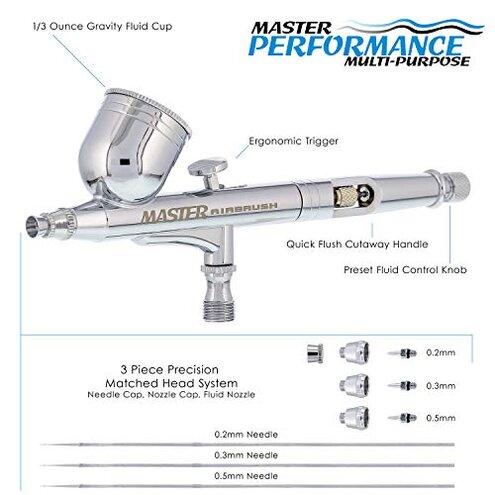
- Daily production artists: The cleaning burden and clog risk will slow repeated jobs and increase downtime.
- Beginners wanting plug-and-play: The tuning and fragile parts demand basic assembly skill and patience.
- People who dislike maintenance: The extra steps for flushing and reseating nozzles add ongoing effort.
Who this is actually good for
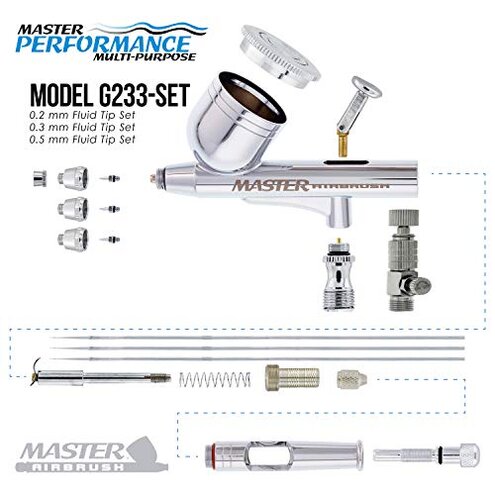
- Hobbyists on a budget: Willing to accept extra cleaning and occasional tweaks for the lower upfront cost.
- Experimenters: Comfortable with minor repairs and replacement parts to manage the fragile nozzle trade-off.
- Casual users: If you paint infrequently, the initial quirks are tolerable between sessions.
Expectation vs reality
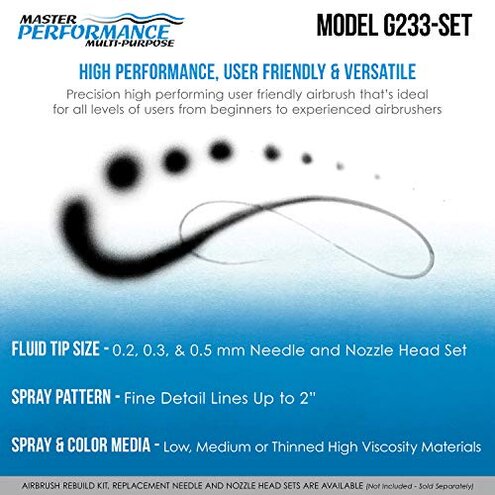
- Expectation: Reasonable for this category is easy setup and steady spray with basic cleaning.
- Reality: You often face early clogs and extra disassembly, which is worse than expected.
- Expectation: Parts last through routine use.
- Reality: Needles and tips feel more fragile and may require replacements sooner.
Safer alternatives

- Choose reputation: Shop for models noted for reliable spray to avoid frequent clogs.
- Look for sealed fittings: Prefer kits with stronger couplers to prevent air leaks.
- Check service parts: Buy from sellers that list replacement needles and nozzles to reduce downtime.
- Buy slightly up: Spending a bit more on a mid-range kit often reduces maintenance and tuning time.
The bottom line
Main regret: Frequent clogs and fragile nozzles are the most common triggers of buyer disappointment.
Why worse: These problems create more downtime and cleaning than is normal for mid-range airbrush kits.
Verdict: Avoid this kit if you need consistent out-of-the-box performance or low upkeep.
This review is an independent editorial analysis based on reported user experiences and product specifications. NegReview.com does not sell products.