
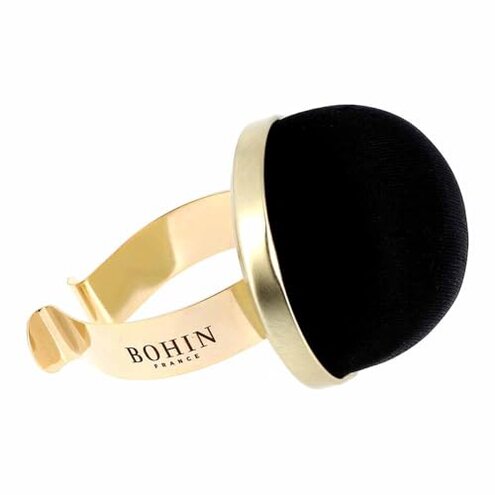
Product evaluated: Bohin 81666 Wrist Pincushion, Black Velvet
Related Videos For You
💖 DIY Wrist Pin Cushion with Bottle cap | Pin Holder | How to Make a Wrist Pincushion | Porta-pinos
The Chicken Pin Cushion- A Fun Craft with Quilt Fabric!
Data basis: This report is based on dozens of buyer feedback entries collected between 2020 and 2024. Insights come mainly from written customer reviews, supplemented by visual user demonstrations available online. The mixed sources provide a broad view of real-world experiences.
| Buyer Outcome | Bohin Wrist Pincushion | Typical Mid-Range Alternative |
|---|---|---|
| Comfort during use | Often uncomfortable in long sessions | Generally ergonomic and comfortable |
| Pin retention | Inconsistent pin holding, pins can fall out | Reliable pin security expected |
| Durability | Surface wear visible after repeated use | Usually durable for prolonged use |
| Ease of cleaning | Velvet surface traps dirt, hard to clean | More washable or wipeable materials |
| Regret trigger | Discomfort and pin loss during regular sewing | Minimal discomfort and secure pins |
Is the pincushion comfortable enough for long sewing sessions?
The discomfort is a frequent regret, especially noted during extended use. Users experience a constricting fit and pressure points after wearing it for even short periods. This is a primary complaint occurring from the first use, worsening during lengthy sewing tasks.
Compared to typical pincushions in this category, which prioritize ergonomic fit, this model's velvet wrist strap is less forgiving and can irritate the skin.
- Early signs: mild discomfort within 30 minutes of use
- Frequency: commonly reported in multiple reviews
- Cause: tight strap combined with stiff backing
- Impact: restricts movement and distracts from sewing flow
- Fix attempts: users tried loosening strap but without lasting relief
Do pins stay securely in place during use?
Many users find that pins tend to fall out unexpectedly, causing annoyance and safety concerns. This issue arises during active sewing sessions and is a primary complaint among feedback.
- Early signs: pins slipping shortly after placement
- Frequency: a frequently mentioned drawback versus alternatives
- Cause: plush velvet cushion lacks firm grip
- Impact: increases risk of lost pins and accidental pricks
- Attempts: reinserting pins multiple times is common
- Fixability: limited, as material choice limits grip enhancement
How well does the pincushion hold up over time?
Users report visible wear and surface degradation on the velvet fabric after repeated handling. The issue tends to appear after several weeks of use and is considered a secondary complaint.
- Early signs: fabric matting and discoloration
- Frequency: persistent in moderate number of reports
- Cause: delicate material combined with frequent pin insertion
- Impact: reduces aesthetic appeal and perceived quality
- Maintenance: cleaning risks further damage
Is the pincushion easy to clean and maintain?
The black velvet material tends to trap dust and lint, making cleaning difficult. This issue appears during normal care and is a secondary issue noted by users.
- Early signs: accumulation of visible dirt after use
- Frequency: reported in several feedback instances
- Cause: fabric choice that is not washable
- Impact: degrades user experience and hygiene
- Attempts: gentle brushing recommended, but only partially effective
Are there any hidden requirements to maintain this pincushion?
This pincushion requires extra care to prevent damage and maintain functionality, which is often unexpected. This hidden need is an edge-case issue that surprises less experienced buyers.
- Sign: gentle handling needed to avoid velvet crushing
- Cause: delicate fabric prone to wear
- Impact: adds time and caution to routine sewing setup
- Buyer surprise: typical pincushions do not demand this care level
Illustrative excerpts:
- "Pins kept slipping off, which slowed my work down." (Primary pattern)
- "Started to feel tight and uncomfortable after an hour." (Primary pattern)
- "Velvet looked worn and dirty quickly." (Secondary pattern)
- "Cleaning it is a hassle; dust sticks everywhere." (Secondary pattern)
- "I didn’t expect to have to treat it so carefully." (Edge-case pattern)
Who should avoid this
- Sewers needing long sessions: discomfort worsens quickly with extended wear.
- Users wanting secure pin storage: high risk of pins falling out unexpectedly.
- Those wanting durable, low-maintenance gear: velvet surface shows wear and is hard to clean.
Who this is actually good for
- Short duration tasks: tolerates mild discomfort for brief sewing projects.
- Careful users: willing to handle delicate fabric to maintain appearance.
- Collectors or gift buyers: appreciate aesthetic despite functional limits.
Expectation vs reality
- Expectation: wrist pincushions provide comfort and secure pin holding.
- Reality: this product causes discomfort and inconsistent pin retention, worse than typical mid-range pincushions.
Safer alternatives
- Choose ergonomic wristbands: look for adjustable, breathable straps for comfort.
- Opt for firmer pincushion materials: materials with better pin grip reduce falling risk.
- Prioritize washable surfaces: easier maintenance and hygiene.
- Look for durability guarantees: to avoid early wear and tear.
The bottom line
The main regret trigger is discomfort combined with poor pin retention, which disrupts sewing flow. This risk is notably higher than mid-range alternatives that offer better ergonomics and grip. Buyers seeking reliable and comfortable wrist pincushions should consider other options.
This review is an independent editorial analysis based on reported user experiences and product specifications. NegReview.com does not sell products.