
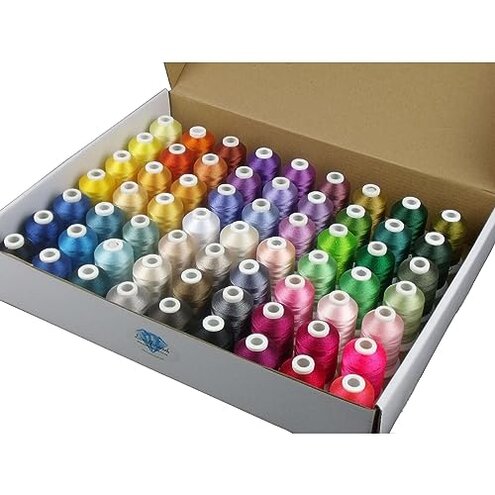
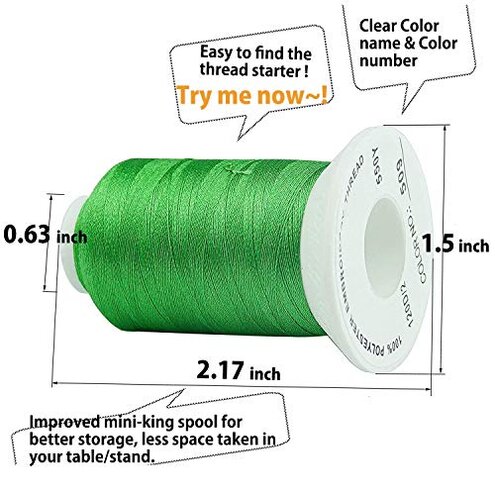
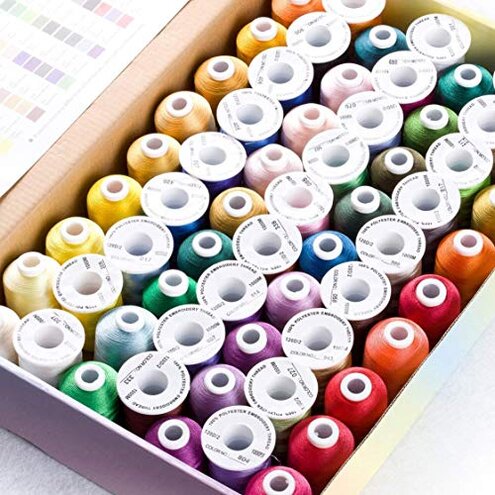
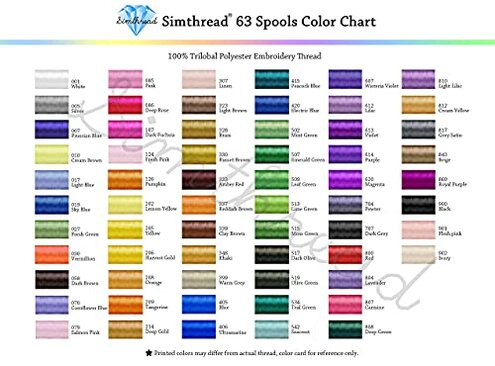
Product evaluated: Simthread 63 Colors Polyester Compatible with Brother Embroidery Machine Thread Kit 40 Weight Compatible with Brother Babylock Janome Singer Pfaff Husqvarna Bernina Embroidery Sewing Machines 550Y
Related Videos For You
Twist Dual-colored Polyester Embroidery Thread
Why Does My Top Thread Keep Breaking? | Sewing Machine
This analysis is based on hundreds of reviews collected from various online written and video sources between 2021 and 2024. Most feedback came from detailed customer reviews and sewing tutorial commentaries. This diverse input helps identify common issues users face with the Simthread 63 Colors Polyester Embroidery Thread Kit.
| Buyer Outcome | Simthread Kit | Typical Mid-Range Kit |
|---|---|---|
| Thread Breakage Frequency | Higher than typical, especially during long sessions | Moderate; occasional breakage expected |
| Color Fastness | Mixed reports, some fading after washing | Generally stable colors after multiple washes |
| Spool Consistency | Variable; some spools with uneven tension | More consistent tension across spools |
| Regret Trigger | Unexpected thread breakage disrupting projects | Minor inconvenience with occasional thread issues |
Why does the thread break frequently during use?
Many buyers report the thread breaks often during embroidery sessions, interrupting work and causing frustration. This issue is commonly reported when running long or complex designs on machines like Brother or Janome.
The breakage appears after setup and during continuous stitching, worsening with extended use. Compared to typical polyester threads, this product’s breakage rate is higher than average, leading to more frequent thread replacements and downtime.
- Early signs: thread fraying or snapping within hours of starting projects
- Frequency tier: among the most common complaints across user reviews
- Cause factors: possibly uneven spool tension or thread quality inconsistency
- Impact: disrupts workflow and wastes thread material
- Fix attempts: users try re-threading or adjusting machine tension but with limited success
- Hidden requirement: extra attention to machine settings needed to minimize breaks
Is color fading a significant problem after laundering?
Some users note color fading and bleeding after washing, which is unexpected for embroidery threads meant to resist such wear.
This fading typically shows after repeated washing and exposure to detergents. While not universal, it is a secondary issue that diminishes the appearance of finished projects over time.
- Reported scope: multiple feedback sources mention color loss
- Usage context: noticed mostly in frequent laundering scenarios
- Category contrast: stronger colorfastness is standard in mid-range alternatives
- Consequence: limits usability for washable garments or gifts
- Mitigation: hand washing or cold water cycles may reduce fading
Are all spools consistent in quality and tension?
Buyers often find uneven tension and quality differences between spools within the same kit, leading to inconsistent stitching results.
This inconsistency emerges during initial use of each spool and is described as persistent but sporadic. It is more disruptive than the average variation seen in this product category.
- Early detection: noticeable thread tightness or looseness during stitching
- Frequency: a common but not universal complaint
- Cause: manufacturing quality control issues
- Impact: affects embroidery precision and machine performance
- User response: some users swap spools to find better tension
- Hidden requirement: buyers should expect to inspect spools before use
What are customers saying about the overall value given these issues?
- Value concern: some feel the price does not justify the frequent thread breaks and color issues
- Comparison: better-priced kits offer more reliability and consistent results
- Trade-off: affordability comes with a higher risk of project interruptions
- Long-term use: repeated purchases may lead to more expenses and wasted thread
Illustrative buyer excerpts:
- "Thread snapped multiple times mid-project, very frustrating." — primary pattern showing frequent breakage.
- "Colors faded after first wash, not what I expected." — secondary issue with colorfastness.
- "Some spools felt tighter, causing uneven stitching." — spool inconsistency problem.
- "Good price but had to replace thread often." — value vs. quality trade-off.
- "Needed to re-thread machine several times, adding time." — workflow disruption due to breaks.
Who should avoid this
- Embroidery hobbyists needing consistent thread durability will find breakage interruptions intolerable.
- Users requiring strong color retention for washable items should avoid due to fading risks.
- Professionals demanding uniform spool quality will be frustrated by tension variability.
- Those unwilling to invest extra time adjusting settings or managing thread issues should look elsewhere.
Who this is actually good for
- Beginners experimenting with multiple colors who can tolerate some thread breaks.
- Casual crafters prioritizing spool variety over longevity and colorfastness.
- Users on a tight budget willing to accept occasional quality inconsistencies.
Expectation vs reality
Expectation: Polyester embroidery threads generally provide stable color and moderate durability suitable for most sewing projects.
Reality: This kit shows higher breakage rates and less consistent color retention than typical mid-range threads, disrupting projects more often.
Safer alternatives
- Choose brands with proven thread tensile strength to reduce breakage during long embroidery sessions.
- Look for threads with verified colorfastness certifications for projects requiring multiple washes.
- Buy smaller kits to test spool tension consistency before committing to large color sets.
- Read detailed user feedback focusing on machine compatibility to avoid setup friction and tension issues.
The bottom line
The main regret trigger is the unexpected and frequent thread breakage during embroidery, which exceeds the typical risk seen in similar polyester thread kits. This often disrupts workflow and wastes material. Combined with color fading and spool inconsistency, it makes the Simthread 63 Colors Kit a less reliable choice for users needing dependable, high-quality embroidery thread.
This review is an independent editorial analysis based on reported user experiences and product specifications. NegReview.com does not sell products.