
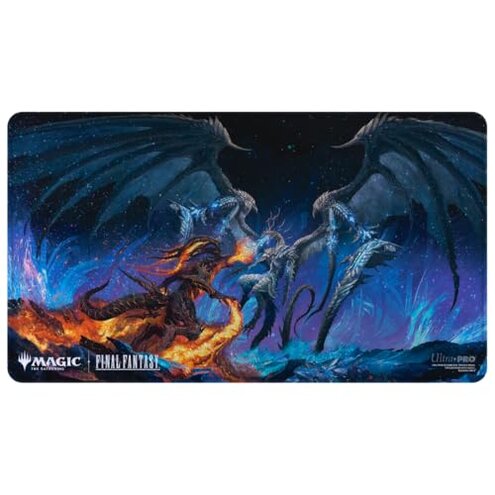
Product evaluated: Final Fantasy x Universes Beyond Cloud, Ex-Soldier Holofoil Playmat for Magic: The Gathering
Related Videos For You
How To: Clean Your TCG + Gaming Play Mat!
The Ultimate Guide To Magic: The Gathering Playmats: Ultra Pro, Legion, Dragon Shield, and Inked
Data basis: This report uses dozens of buyer comments gathered from written feedback and short video-style impressions collected from recent months into the present. Most feedback came from written comments, with extra support from visual demonstrations showing how the holofoil finish looks during normal tabletop use.
| Buyer outcome | This playmat | Typical mid-range playmat |
| Surface feel | Shinier look can be more distracting during play | Lower-glare finish is usually easier to ignore |
| Art appeal | Stronger display value if you want themed artwork first | Plainer art but fewer finish-related compromises |
| Card handling | Less forgiving if you want a simple cloth-like glide | More normal slide and touch for repeated sessions |
| Upkeep | Higher-than-normal risk of noticing marks, dust, or fingerprints | Lower effort to keep looking clean between games |
| Regret trigger | Looks better in photos than it may feel in long sessions | Less flashy but usually easier to live with |
Will the shiny finish get annoying once the game starts?
This is the primary issue. The holofoil look is the main selling point, but it is also among the most common complaints when buyers actually sit down to play.
During long sessions, the extra shine can pull attention away from cards and zones on the table. That trade-off feels more disruptive than expected for a playmat, because the category baseline is usually a low-distraction surface.
Pattern: This appears repeatedly in feedback, though not for every buyer, and it shows up right from first use under indoor lighting.
Why it stings: A normal mid-range mat is usually bought to disappear into the background. Here, the finish itself can stay noticeable the whole time.
Illustrative excerpt: “Pretty art, but the shine keeps catching my eye every turn.” Primary pattern.
Does it feel less practical than a regular cloth playmat?
- Severity: This is a primary issue for buyers who expected standard soft-cloth behavior instead of a more decorative surface.
- When it hits: The difference shows up during shuffling, moving cards, and resting hands on the mat through a full game night.
- Frequency: It is commonly reported as less natural than expected, even when buyers still like the printed art.
- Cause: The product openly uses a shiny top, so the feel trade-off is tied to the visual effect rather than a one-off defect.
- Impact: That can make the mat feel more like display gear than an easy everyday surface for repeated play.
- Comparison: A typical mid-range alternative is more forgiving when you want the mat to feel invisible and familiar.
- Fixability: There is no simple fix if you dislike the finish itself, because that finish is the product identity.
- Illustrative excerpt: “It’s softer than expected, but still not the normal cloth feel I wanted.” Primary pattern.
Will it show dust, prints, or table grime faster than expected?
- Tier: This is a secondary issue, less frequent than glare complaints but more frustrating when you care about keeping art pristine.
- Timing: It becomes noticeable after setup and between games, especially if the mat is handled often or packed away quickly.
- Visibility: A shiny surface can make small marks easier to notice than on a standard matte-style playmat.
- Why it matters: That adds extra upkeep for a product many buyers choose partly for how good the artwork looks.
- Hidden requirement: You may need more careful storage and more frequent wipe-downs than with a basic mid-range mat.
- Category contrast: Some cleaning is normal, but this feels higher maintenance than the category baseline because visual imperfections stand out faster.
- Attempted workaround: Buyers who treat it gently can reduce the annoyance, but they cannot fully change how visible surface marks appear.
- Illustrative excerpt: “It looks best right after cleaning, then every little speck shows.” Secondary pattern.
Are you paying more for artwork than for everyday usability?
- Trade-off: This is a persistent concern around value, especially when the current price sits at $35.99.
- Regret moment: The doubt usually hits after first use, when buyers realize the premium feel is mostly visual rather than practical.
- Pattern: It is not universal, but it appears across feedback from collectors and players who wanted both style and easy daily use.
- Expectation gap: At this price, many shoppers reasonably expect few compromises in routine handling.
- Why worse than normal: Mid-range mats often cost less while delivering more neutral usability, even if the art is less special.
- Best-case view: If you mainly want Final Fantasy display appeal, the price can make more sense than it does for weekly gameplay.
- Bottom impact: The regret trigger is paying for a collector finish when your real need is a dependable play surface.
- Illustrative excerpt: “Great for the theme, but I expected easier daily use for the money.” Secondary pattern.
Who should avoid this
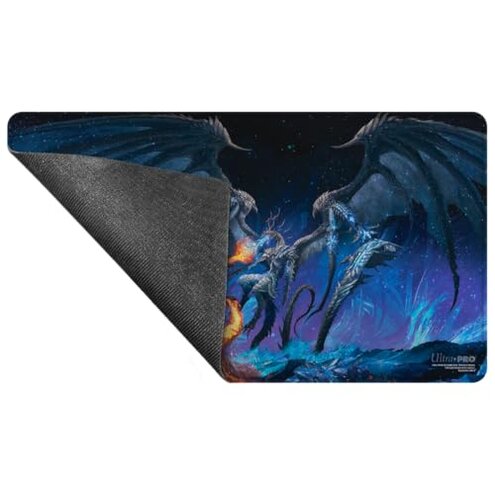
- Avoid it if you are sensitive to glare or visual distraction during long card sessions, because the shiny finish is the main repeated complaint.
- Avoid it if you want a low-maintenance mat, since the decorative surface can make dust and small marks feel more noticeable than normal.
- Avoid it if you prefer plain, consistent cloth feel over themed presentation, because this mat leans harder into appearance than a typical mid-range option.
- Avoid it if value matters more than franchise art, since the price-to-usability trade-off can feel worse than expected for regular weekly play.
Who this is actually good for
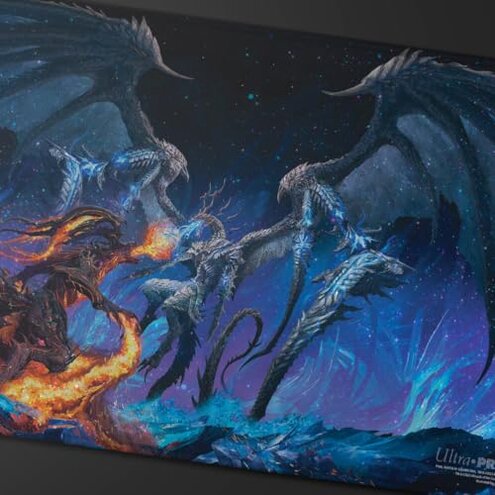
- Good fit for collectors who want Cloud artwork first and accept that play comfort may come second.
- Good fit for occasional players who use a mat in shorter sessions, where shine and maintenance may feel easier to tolerate.
- Good fit for fans building a themed setup and willing to do extra care to keep the surface looking clean.
- Good fit for buyers who knowingly want a display-style mat, not a plain utility-first mat.
Expectation vs reality
Expectation: A licensed holofoil mat should look special and still behave close to a normal playmat.
Reality: The special finish is exactly what creates the biggest usability trade-off during actual play.
Expectation: At $35.99, reasonable for this category is a surface that needs little thought once cards hit the table.
Reality: This one can demand more attention than expected through glare, visible specks, and a less standard feel.
Expectation: A soft top should automatically mean familiar handling.
Reality: The shiny treatment changes the everyday experience enough that some buyers see it as display-first gear.
Safer alternatives
- Choose matte or non-holo surfaces if your main worry is glare during long tabletop sessions.
- Pick simpler art if you hate frequent wipe-downs, because lower-shine mats usually hide dust and prints better.
- Favor standard cloth if you want a familiar glide and hand feel without a decorative finish changing the experience.
- Buy by use case and separate collector mats from weekly play mats if value regret is your main concern.
- Check care demos before buying any premium-finish mat, because hidden upkeep is easier to spot in real-world handling videos.
The bottom line
Main regret comes from the holofoil finish doing exactly what it promises visually, while also creating a more distracting and higher-maintenance play surface. That risk feels above normal for this category because a typical mid-range mat is easier to ignore, easier to keep clean-looking, and easier to use for long sessions. Avoid this one if function matters more than themed display appeal.
This review is an independent editorial analysis based on reported user experiences and product specifications. NegReview.com does not sell products.