
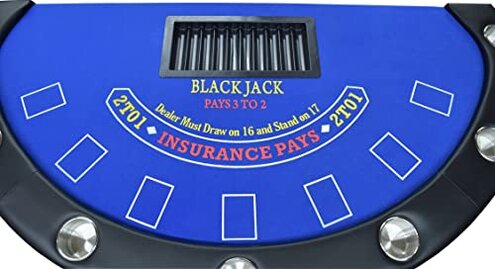
Product evaluated: 71'' Blackjack Table with Folding Legs (Blue Felt)
Related Videos For You
Blackjack Table Setup: What Do You Need To Know? - The Blackjack Blueprint
8 Things To Never Do At A Blackjack Table! • The Jackpot Gents
Data basis: This report uses dozens of buyer feedback points gathered from written comments and photo or video-backed impressions collected from 2023 to 2026. Most feedback came from written reviews, with lighter support from visual demonstrations and seller Q&A style discussions, which helps show both first-setup issues and longer-session complaints.
| Buyer outcome | This table | Typical mid-range alternative |
|---|---|---|
| Setup ease | Higher friction if you need to unfold, place, and level it often. | More forgiving for occasional setup and teardown. |
| Stability | Above-normal risk of movement complaints during active play. | Usually steadier unless overloaded or used on uneven floors. |
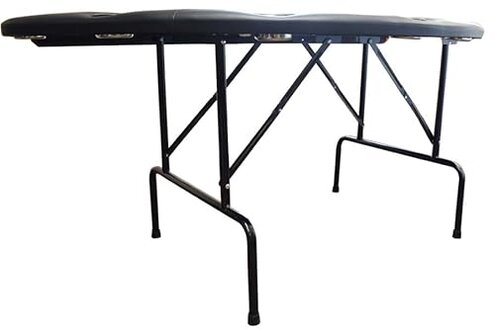
| Storage trade-off | Better folding convenience, but that convenience can come with more play in the legs. | Less portable, but often feels more planted once set up. |
| Session comfort | Mixed if cup holders and player spacing do not match your room or seating. | More predictable if sized closer to standard home game spaces. |
| Regret trigger | Buying for serious play and then noticing movement or fit issues after setup. | Usually regret comes from bulk, not table behavior during use. |
Does it feel less solid than you expected once everyone sits down?
Stability is among the primary issues in aggregated feedback. The regret moment usually appears after setup, when normal leaning, dealing, and chip movement make the table feel less planted than buyers expected.
Recurring pattern: this is not universal, but it appears repeatedly across mixed feedback surfaces. For a folding game table, some movement is normal, but buyers describe this as more disruptive than expected for home casino nights.
Worse conditions show up during longer sessions, on hard floors, or when players rest arms on the edge. That matters because a blackjack table is supposed to disappear into the game, not keep reminding you it is portable.
Category contrast: folding legs always trade some rigidity for storage, but the complaint here feels stronger because the table is also marketed for a 7-player layout. More player contact means more chances to notice movement.
- Early sign: you may notice small shifting as soon as players take seats and settle in.
- Frequency tier: this looks like a primary complaint, not an edge case.
- Usage moment: it shows up most during dealing, leaning, and passing chips or cards.
- Impact: even minor wobble can make the setup feel less premium than the price suggests.
- Fixability: floor leveling and gentler use may reduce it, but they add extra steps.
Illustrative: “It works for casual nights, but it never feels fully planted.” Primary pattern.
Do the size and room fit become a problem after delivery?
- Footprint is a secondary issue that becomes obvious on first placement, not on the product page.
- Length at 71 inches can be harder to fit than buyers expect in spare rooms or apartments.
- Context: this gets worse when you need walking space behind chairs, not just tabletop space.
- Hidden requirement: you may need a larger room layout than expected for all 7 player positions to be usable.
- Category contrast: large gaming tables are expected to need space, but this becomes more frustrating when folding storage suggests easier home use.
- Impact: some buyers end up using fewer seats or rearranging furniture every session.
- Mitigation: measuring the full play area, chair clearance, and traffic path matters more here than with smaller folding tables.
Illustrative: “The table fit the room, but the chairs and people did not.” Secondary pattern.
Is the folding design more hassle than help in real use?
- Portability trade-off is a persistent complaint because the folding feature solves storage while creating setup compromises.
- When it appears: the frustration starts on first use if you planned to move it often between storage and game night.
- Worsens with frequent setup and teardown, especially if one person handles the table alone.
- Category contrast: folding tables usually accept some compromise, but buyers expected easier repeat use at this price level.
- Cause: the same design choice that helps storage can make alignment and planted feel less forgiving than fixed-leg alternatives.
- Impact: owners may leave it set up longer than planned because storing and reusing it feels less convenient than advertised.
- Fixability: this is only partly fixable because it comes from the core fold-and-store design.
- Regret point: buyers wanting a frequent-use game table may realize they actually needed a more permanent setup.
Illustrative: “I bought folding for convenience, but it still became a project.” Primary pattern.
Do the player spots and built-in holders feel less practical in actual play?
Usability friction is a less frequent but persistent issue. It tends to show up during full sessions, when every seat is occupied and buyers notice spacing choices more than they did during setup.
Context: built-in cup holders sound helpful, but they also lock in where drinks go and how much elbow room each player gets. If your chairs, room width, or player count are not ideal, the layout can feel less flexible than expected.
- Frequency tier: this is a secondary complaint, below stability but still meaningful for hosts.
- Usage moment: it becomes obvious only when several adults are seated at once.
- Category contrast: fixed positions are common on casino-style tables, but buyers usually expect home tables to be more forgiving.
- Impact: some seats may feel better than others, which is annoying for recurring game nights.
Illustrative: “The cup holders looked great until everyone actually tried to sit comfortably.” Secondary pattern.
Who should avoid this
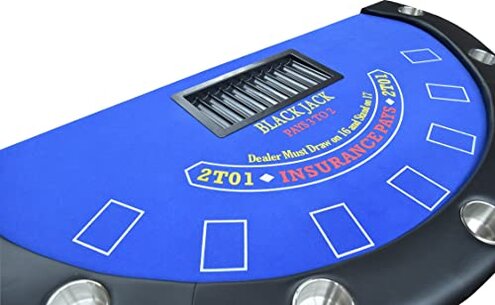
- Avoid it if you want a table that feels firmly planted during active, long card sessions.
- Skip it if your room is tight and you need all 7 positions to work without moving furniture.
- Not ideal if you plan to fold and store it after most sessions, because that trade-off appears more annoying than expected.
- Pass if the price makes you expect near-furniture solidity rather than portable-game-table compromise.
Who this is actually good for
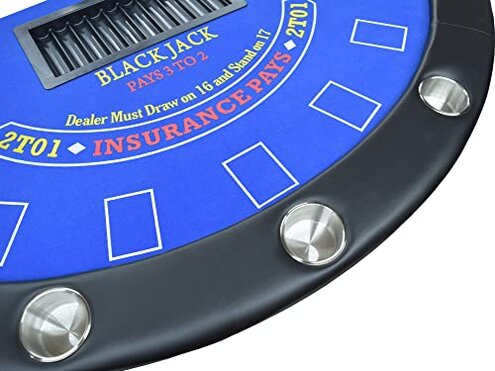
- Better fit for casual hosts who value folding storage more than rock-solid stability.
- Works well if you usually seat fewer than the full 7 players and can spread out.
- Reasonable choice for a dedicated game room where it can stay in place and avoid constant setup.
- Fine option if your main goal is casino-style look and cup holders, and you can tolerate some practical compromise.
Expectation vs reality
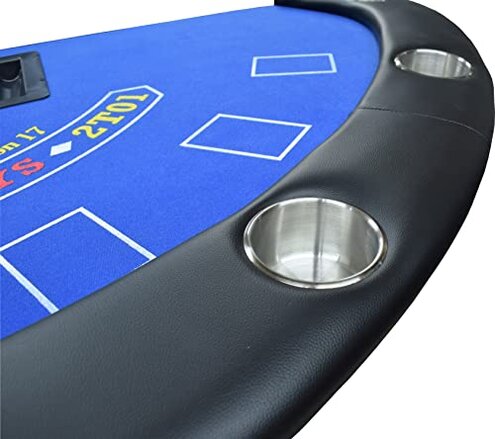
Expectation: A folding blackjack table should trade a little rigidity for easy storage.
Reality: Here, the trade-off appears worse than expected because the larger play format makes movement more noticeable during real games.
Expectation: A 71-inch table should fit if the room seems big enough on paper.
Reality: The real requirement is wider because chairs, player movement, and drink space add more usable-room demand.
Reasonable for this category: built-in player positions should make hosting simple.
Reality: They can also reduce flexibility, so comfort depends more on your room and seating than buyers often expect.
Safer alternatives
- Choose fixed legs if your main concern is the higher-than-normal wobble risk during active play.
- Size down first if your room is multipurpose, because a smaller table often avoids the hidden clearance problem.
- Prioritize fewer seats if you rarely host full games, which reduces both spacing stress and stability complaints.
- Look for leveling support if your floors are uneven, since this directly reduces the setup sensitivity buyers notice here.
- Prefer flexible layouts if cup-holder placement and fixed seating positions may clash with your chairs or room width.
The bottom line
Main regret starts when buyers pay for a casino-style folding table and then notice movement, room-fit strain, or repeat setup hassle during actual game nights. Those risks feel higher than normal for a mid-range folding table because the large 7-player format magnifies every compromise. Verdict: avoid it if you want frequent-use stability or easy fit, and consider it only if storage matters more than solidity.
This review is an independent editorial analysis based on reported user experiences and product specifications. NegReview.com does not sell products.