
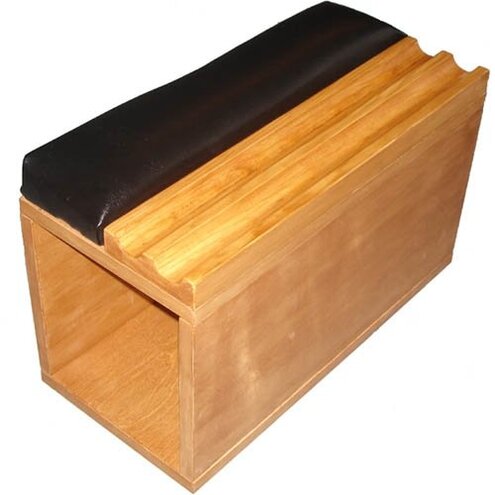
Product evaluated: AccuCraps Portable Craps Practice Rail
Related Videos For You
Portable Craps Table - Deeper Dive - Swann Creations
Chip Rail Management Craps Table Shorts
Data basis for this report comes from dozens of buyer comments collected from written feedback and video-style demonstrations between 2023 and 2026. Most feedback appeared in written impressions, with smaller support from visual setup walk-throughs and hands-on use clips, which helps show what problems appear during setup and repeated practice.
| Buyer outcome | AccuCraps rail | Typical mid-range alternative |
|---|---|---|
| Setup effort | Higher friction; portable design can add extra steps before each session. | Lower friction; usually simpler to place and start using. |
| Stability feel | Less forgiving if the table surface is not ideal or sessions get active. | More predictable during normal practice use. |
| Portability trade-off | More compromise; easier to move, but that convenience can reduce solid table-like feel. | Better balance between moving it and keeping it steady. |
| Furniture friendliness | Usually safer for surfaces because it does not need permanent mounting. | Mixed; some alternatives ask for more fixed placement. |
| Regret trigger | Biggest risk is paying for realism and getting a practice setup that still feels temporary. | Lower risk if you mainly want easier routine use. |
Does it feel too temporary once you finally set it up?
This is a primary issue because the regret shows up right after assembly and first rolls. The portable breakdown design is useful, but it also appears repeatedly as the reason some buyers feel the rail is less solid than expected.
In daily use, this tends to feel more disruptive than expected for this category because buyers are paying for a more realistic table height and practice feel. A typical mid-range alternative may be less portable, but it often feels more planted during routine sessions.
- Pattern: the portability trade-off is recurring, not universal, across feedback focused on home practice.
- When it hits: the frustration usually starts after setup, when users expect a more casino-like feel from the first session.
- What buyers notice: the rail can feel temporary instead of fully integrated with the table beneath it.
- Why it stings: in this category, some compromise is expected, but this can feel less stable than normal because realism is part of the pitch.
- Hidden cost: frequent packing and unpacking can add extra steps before short practice sessions.
Illustrative excerpt: “I wanted practice, not another thing to adjust every session.” Primary pattern.
Will it stay put during actual throwing practice?
- Frequency tier: this looks like a primary complaint because stability concerns are among the most disruptive problems when they appear.
- Usage moment: it shows up during active sessions, especially when throws are repeated and the setup gets bumped.
- Worsens when: it tends to feel worse on less ideal surfaces or when the user wants faster, more natural practice pace.
- Buyer impact: once the rail shifts or feels uncertain, the whole point of building throw consistency gets less convincing.
- Category contrast: some movement is category-expected for portable gear, but this can feel more frustrating than typical because craps practice depends on repeatable positioning.
- Mitigation: users with a very stable table and controlled practice style may reduce the problem, but that is a hidden requirement many buyers will not expect.
- Fixability: this is only partly fixable because the core trade-off comes from the portable design rather than a simple adjustment.
Illustrative excerpt: “Good idea, but it needs the right table to feel right.” Primary pattern.
Is the realism less convincing than the listing makes it sound?
This is a secondary issue. It is less frequent than stability complaints, but more frustrating when it happens because realism is the main reason to spend this much.
After first use, some buyers seem to realize that realistic rail height does not always equal realistic full-table experience. That gap feels worse than expected compared with mid-range alternatives that make fewer realism promises.
- Signal: this concern appears persistently in feedback centered on practice quality, not just build comments.
- Buyer expectation: the product points to realistic height, so users often expect a more complete casino-like practice feel.
- Where it breaks: the mismatch appears during repeated drills, when users notice the difference between a rail attachment and a dedicated practice station.
- Why regret follows: buyers may accept compact size, but they often resist paying a premium for something that still feels partial.
- Compared with baseline: portable practice gear normally cuts realism a bit, but here the disappointment can feel sharper than normal because the product leans hard on that promise.
- Best workaround: this suits buyers practicing a narrow part of the game, not those chasing a full-table substitute.
Illustrative excerpt: “The height helps, but it still doesn’t feel like the real thing.” Secondary pattern.
Does the price make the compromises harder to forgive?
- Intensity: this is a secondary complaint, but it amplifies every other issue because the listed price is $195.
- When buyers feel it: the value concern usually appears after setup and early use, once convenience limits become obvious.
- Root cause: buyers are not just paying for utility; they are paying for a more convincing practice experience.
- Why it exceeds normal risk: mid-range alternatives can have flaws too, but at this price, portability-related compromises feel harder to excuse.
- What makes regret stick: if the rail is used only occasionally, the setup effort and temporary feel can make the purchase seem underused.
- Less affected buyers: owners who practice often and already have a dedicated surface may feel the cost is easier to justify.
- Edge condition: for casual players, this becomes an edge-case mismatch where the product may be fine, but the value is not.
Illustrative excerpt: “For this price, I expected fewer compromises and faster practice.” Secondary pattern.
Who should avoid this
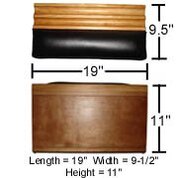
- Avoid it if you want a grab-and-go practice setup with minimal prep, because the portable design can add repeat setup friction.
- Avoid it if your table surface is not sturdy or consistent, since stability concerns feel worse than normal in a repetition-based practice product.
- Avoid it if you expect a near full-table casino feel, because realistic rail height does not always translate to realistic overall play feel.
- Avoid it if $195 already feels like a stretch, since value complaints grow quickly when the product feels temporary in use.
Who this is actually good for
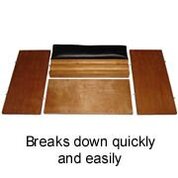
- Good fit for users who already have a reliable practice surface and can tolerate the hidden requirement of a better table underneath.
- Good fit for buyers focused on a narrow throwing routine, where partial realism matters more than full-table simulation.
- Good fit for people who need portability first and accept that a portable unit may feel less planted than fixed alternatives.
- Good fit for frequent hobby users who will leave it out longer, reducing the annoyance of repeated setup.
Expectation vs reality
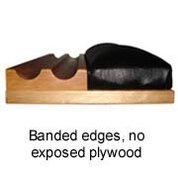
Expectation: a realistic rail should feel close to a dedicated practice station.
Reality: the recurring trade-off is that portability can make it feel more temporary than expected.
Expectation: reasonable for this category is a little movement, but still dependable repetition.
Reality: when surface conditions are not ideal, the setup can feel less forgiving than typical mid-range practice options.
Expectation: non-slip feet should remove placement worries.
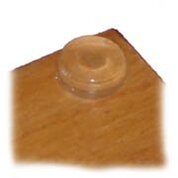
Reality: they help protect furniture, but they do not fully erase the stability trade-off that comes with a breakdown design.
Safer alternatives
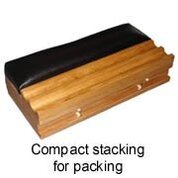
- Choose fixed-style options if your main worry is movement during throws, because they better neutralize the portable stability trade-off.
- Prioritize simpler setup if you practice in short sessions, since that directly avoids the repeated unpack-and-adjust frustration.
- Look for dedicated practice surfaces if realism is your top goal, because they reduce the gap between rail height and full-session feel.
- Match price to use frequency if value is a concern, so you do not overpay for portability you rarely need.
The bottom line
Main regret trigger is paying for realism and then noticing a portable setup that can still feel temporary or surface-dependent in use. That exceeds normal category risk because craps practice depends on repeatable feel, and portability can interfere with that more than buyers expect.
Verdict: skip this if you want easy setup, strong planted feel, or a near full-table substitute. Consider it only if portability matters most and you already have the right table to support it.
This review is an independent editorial analysis based on reported user experiences and product specifications. NegReview.com does not sell products.