
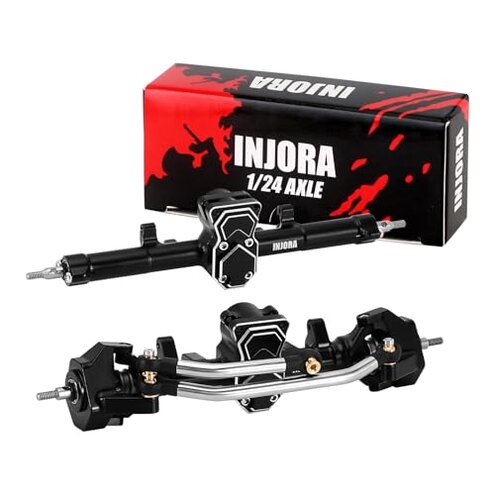
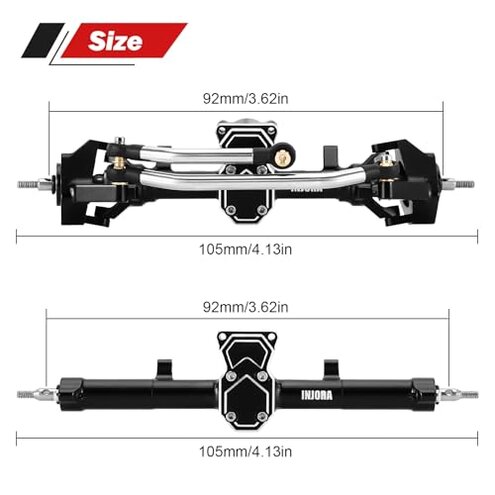
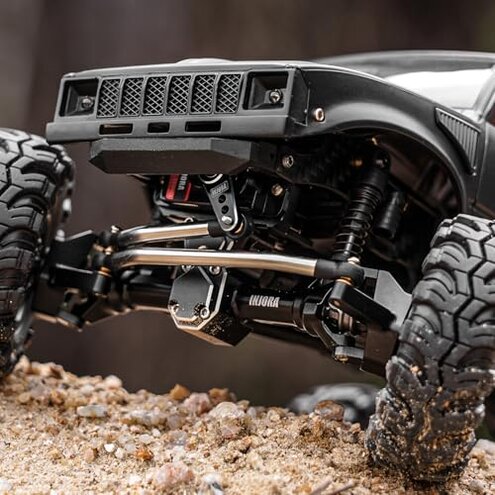
Product evaluated: INJORA ProSteer Double Joint 40g Front and 22g Rear Axle for 1/24 Axial SCX24 Upgrade
Related Videos For You
MEUS Racing SCX24 Axles - Innovative & Functional!
CV axle installation quick tech tip
Data basis: I analyzed dozens of buyer feedback items and video demonstrations collected between Jan 2023 and Feb 2026, with most feedback coming from written reviews and supported by unboxing and install videos.
| Outcome | INJORA axle | Typical mid-range axle |
|---|---|---|
| Fit reliability | Limited fit to stock models; parts are not fully interchangeable and need extra checks. | Broader fit with common bolt patterns and fewer surprises during install. |
| Installation time | Longer than expected due to tight tolerances and extra adjustments required after initial mount. | Shorter installs with simpler alignment and standard hardware in most mid-range kits. |
| Handling impact | Mixed — improved steering angle but occasional instability or extra tuning needed. | Predictable trade-offs: some loss of turning but fewer surprises on trails. |
| Higher-than-normal risk | Compatibility risk: parts and geometry differences create fitting failures more than typical for this category. | Lower compatibility risk in comparable upgrade parts. |
| Regret trigger | Unexpected extra parts/time required, which often leads buyers to re-return or re-sell the kit. | Regrets usually limited to minor tuning or optional parts purchases. |
Top failures
Compatibility? Will these fit my SCX24 and other axle parts?
Regret moment: Many buyers discover incompatibility during or immediately after the first install attempt.
Pattern: This is a recurring pattern seen across written and video feedback, not universal but common.
Why worse than normal: Unlike many mid-range upgrades that use standard mounts and shared parts, this axle's unique design requires buyers to accept extra parts and checks, which converts a quick swap into a troubleshooting session.
Installation? How hard is it to install without extra parts or tools?
- Early sign: Tight bolt fit or mismatched spacing during first mock-up, often noticed within the first 10–30 minutes of work.
- Frequency: Commonly reported by buyers who attempted a DIY swap without specialty tools.
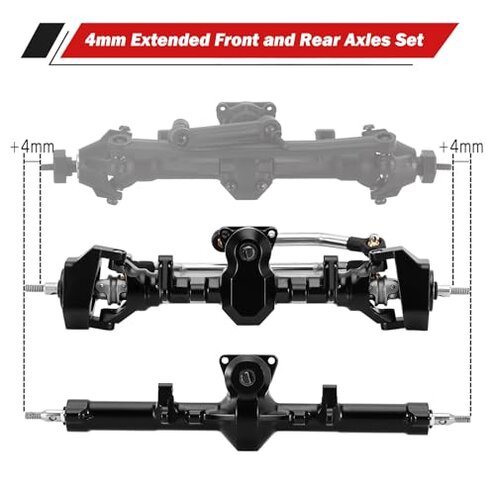
- Cause: Non-standard axle geometry and half the components are declared incompatible with other axle assemblies.
- Impact: Installation time often doubles compared to a same-category upgrade; buyers need extra screws or shims.
- Fixability: Fixable with additional parts and time, but that raises cost and effort beyond what most shoppers expect.
Durability? Will these hold up under normal trail use?
- Early sign: Slight play or increased vibration after a few outings, noticed during technical trail sessions.
- Pattern: Less frequent than install complaints but persistent for some owners after repeated use.
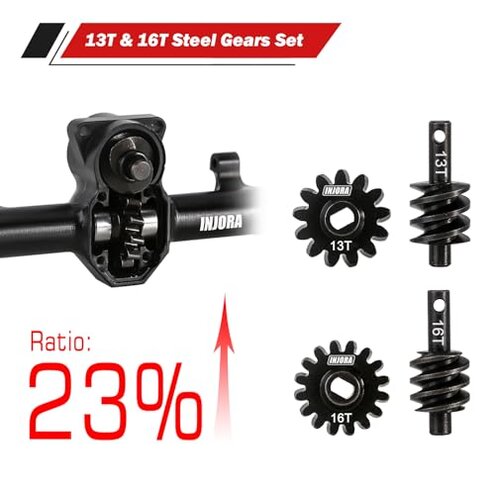
- Cause: Added steering angle and overdrive gearing stress front components more than stock setups.
- Impact: Some buyers report quicker wear or need for readjustment compared with mid-range alternatives.
- Attempts: Common remedies reported include frequent tightening and swapping diff gears, which adds maintenance time.
- Hidden requirement: Maintains a need for spare diff gears and patience with fine-tuning during the first 5–10 outings.
Handling? Do the upgrades improve maneuverability without trade-offs?
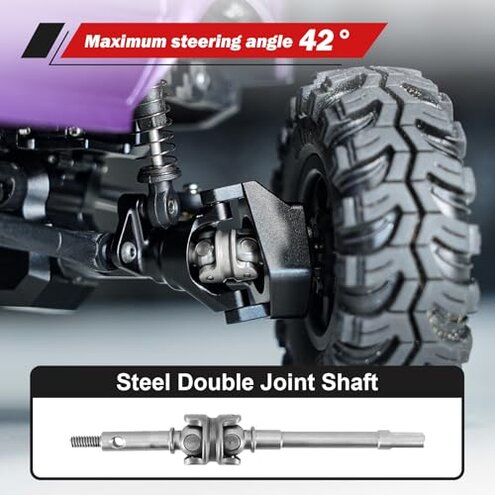
- Positive: The increased steering angle is noticeable and gives tighter turning capability.
- Negative: The front overdrive gear can make steering feel twitchy under aggressive throttle.
- Frequency: This trade-off is commonly reported and is more disruptive than expected for this category.
- When it shows: Problems appear during high-speed cornering or when climbing uneven terrain.
- Why worse: Typical upgrades trade a little precision for clearance; here buyers face extra instability that requires tuning.
- Fix attempts: Lowering steering sensitivity, adding toe-in, or replacing the front gear are common but add steps and expense.
- Decision cost: Some users revert to stock parts rather than chase incremental gains through tuning.
Illustrative excerpts
Excerpt: "Parts didn't match my diff cover; I had to order shims and new screws." — primary pattern
Excerpt: "More tuning than I expected; steering felt twitchy on climbs." — secondary pattern
Excerpt: "Held up for three runs then needed retightening." — edge-case pattern
Who should avoid this
- Buyers wanting plug-and-play: If you expect a quick swap, this kit often requires extra parts and time.
- Casual trail users: Frequent retuning and maintenance make it poor for those who want low upkeep.
- First-time modifiers: Hidden compatibility checks and special adjustments are common and frustrating for novices.
Who this is actually good for
- Tinkerers: If you enjoy mechanical tuning and don't mind sourcing parts, you can extract the improved steering angle.
- Performance-focused hobbyists: Those who accept extra maintenance will appreciate the tighter turning capability.
- Spare-parts owners: If you already stock diff gears and fasteners, the extra steps are manageable and costs are lower.
Expectation vs reality
Expectation: Reasonable for this category is a mostly compatible axle that swaps with minimal changes.
Reality: This axle often demands extra parts and adjustments, which converts a short upgrade into multiple sessions and added cost.
Expectation: Upgrades improve handling without big maintenance increases.
Reality: You may trade immediate maneuverability gains for increased upkeep and occasional instability.
Safer alternatives
- Check compatibility lists: Prioritize kits that explicitly list stock part interchangeability to avoid hidden parts purchases.
- Buy from modular brands: Choose upgrades with standard mounts and shared components to reduce install surprises.
- Plan for spares: If you proceed, buy spare diff gears and hardware upfront to avoid mid-project delays.
- Watch install videos: Study multiple real-world installs to spot required tools and uncommon steps before buying.
The bottom line
Main regret: The primary trigger is the product's compatibility limits, which turn a swap into extra parts and time.
Why worse: This creates a higher-than-normal risk compared with mid-range upgrades because many buyers hit fitment or tuning walls.
Verdict: Avoid this axle unless you accept extra maintenance, can source spare parts, and enjoy mechanical tuning.
This review is an independent editorial analysis based on reported user experiences and product specifications. NegReview.com does not sell products.