
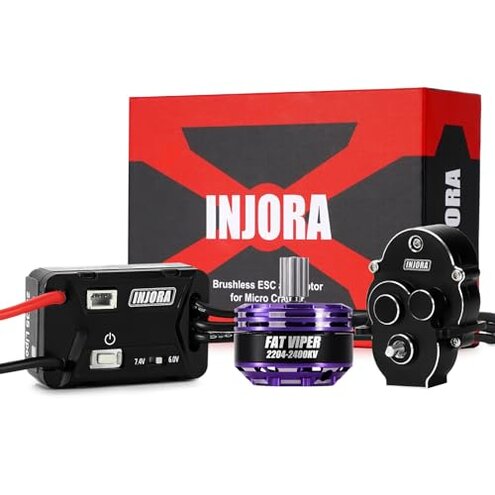
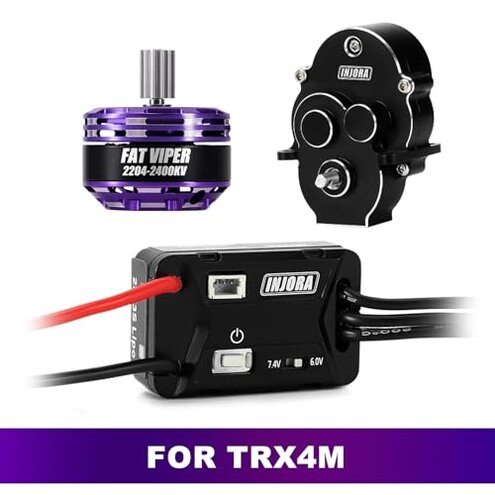
Product evaluated: INJORA MBL32 G2 Waterproof Brushless ESC & 2204 Fat Viper Outrunner Motor for 1/18 TRX4M Upgrade
Related Videos For You
How Brushless Motor and ESC Work and How To Control them using Arduino
Easily Convert an RC Car to BRUSHLESS. Beginners Guide
Data basis: This report draws on dozens of written reviews and video demonstrations collected between Jan 2024 and Feb 2026. Most feedback came from written reviews, supported by visual setup footage and comparative posts.
| Outcome | INJORA MBL32 G2 + 2204 | Typical mid-range ESC/motor |
|---|---|---|
| Reliability | Higher failure risk during first setups and under long climbs, with recurrent calibration complaints. | More stable — usually auto-calibrates and works out of box for most users. |
| Setup complexity | Programmer needed to fix advanced settings; factory tuning favors certain motors. | Plug-and-play options are common at this price level. |
| Performance under load | Occasional throttle cuts or thermal limits on long climbs reported. | Consistent power delivery is more typical for mid-range units. |
| Waterproofing | Mixed results — some users saw issues after wet use despite claims. | Verified seals are more reliable in the category norm. |
| Regret trigger | Setup + reliability — combined trouble makes ownership more time-consuming. | Lower effort — fewer configuration demands for typical buyers. |
Top failures
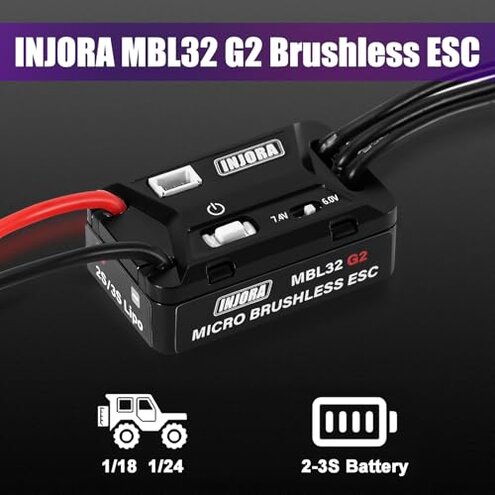
Why won't it bind or calibrate reliably?
Startup failure: Many buyers report the ESC fails to calibrate or bind cleanly on the first use, creating a no-go setup moment.
Context: This problem is most visible during initial setup and worsens when users skip PC programming or use non-matching radios.
Category contrast: Calibration trouble is more disruptive than normal for mid-range ESCs, which often perform basic throttle calibration automatically.
Is programming and configuration harder than advertised?
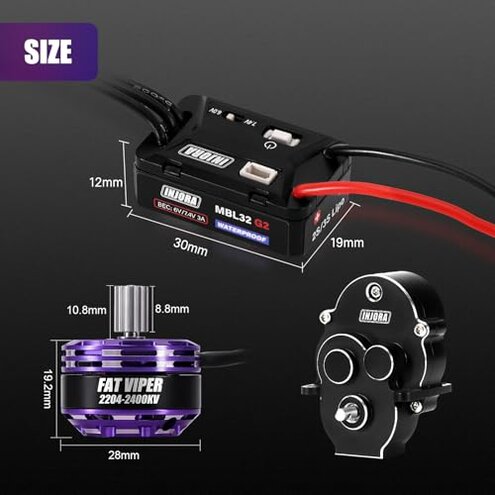
- Hidden requirement: Factory notes favor specific motors, so USB programming is commonly needed to match other setups.
- Pattern: This is a commonly reported barrier for users expecting plug-and-play behavior.
- When: Appears at first setup and when swapping motors or battery voltages.
- Effort: Fixing it often requires a PC, driver installs, and reading firmware settings.
- Impact: The extra steps mean longer build time and higher chance of incorrect tuning for casual users.
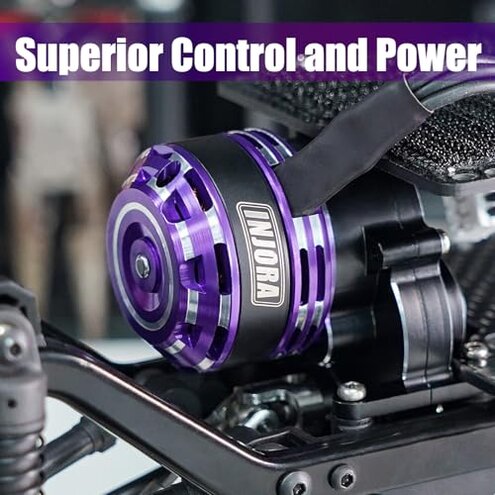
Does the unit overheat or cut power under heavy use?
- Early signs: Users reported temperature warnings or brief throttle cuts during long climbs or sustained high RPM runs.
- Frequency tier: This is a secondary issue — less frequent than setup failures but more disruptive when it happens.
- Cause: Aggressive motor pairing and high load conditions expose thermal limits and rotor-lock protections.
- When it worsens: Long sessions, hot ambient temps, or higher gearing increase occurrence.
- Attempts to fix: Lowering gearing, reducing run length, or reflashing settings were commonly tried.
- Fixability: Often requires tuning or hardware upgrades; not a simple out-of-box fix for most buyers.
Are the waterproofing and long-term durability reliable?
- First signs: Intermittent cutouts or corrosion symptoms appear after wet runs for some owners.
- Pattern: This is an edge-to-secondary issue — reported across different usage reports but not universal.
- Context: Problems surface after repeated wet exposure or heavy cleaning without re-sealing.
- Hidden need: Proper sealing and cable protection are required to keep the claimed waterproof performance.
- Impact: Repairs or replacements add cost and downtime for serious trail users.
- Attempts: Users tried silicone sealing, shrink tubing, and protective enclosures to improve longevity.
- Category contrast: Expected waterproof reliability at this price is higher; these failures make ownership more maintenance-heavy.
Illustrative excerpts
"Won't calibrate on first power-up, needed PC fix." — illustrative; reflects a primary pattern.
"Throttle cut on long climbs; temp protection activated." — illustrative; reflects a secondary pattern.
"Seemed waterproof, then moisture made it glitch." — illustrative; reflects an edge-case pattern.
Who should avoid this
- New builders: Avoid if you want a true plug-and-play ESC/motor combo without PC work.
- Casual drivers: Avoid if you run long sessions or steep terrain and need guaranteed thermal headroom.
- Water users: Avoid if you expect no maintenance after wet runs; this requires extra sealing work.
Who this is actually good for
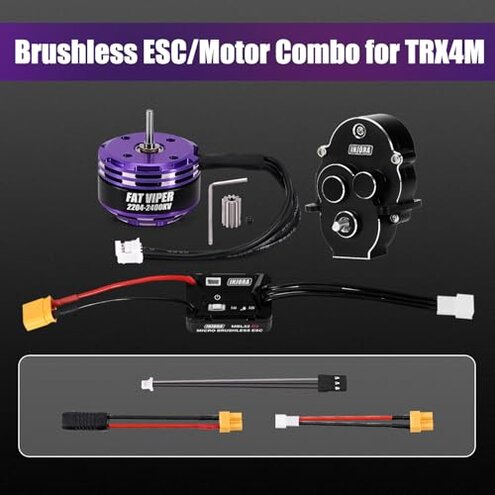
- Tinkerers: Good for users who accept PC programming and tuning to reach optimal performance.
- Performance hobbyists: Good if you value aggressive high-speed response and will manage thermal limits manually.
- Budget upgrader: Good for hobbyists who want a cheaper brushless upgrade and can accept extra setup time.
Expectation vs reality
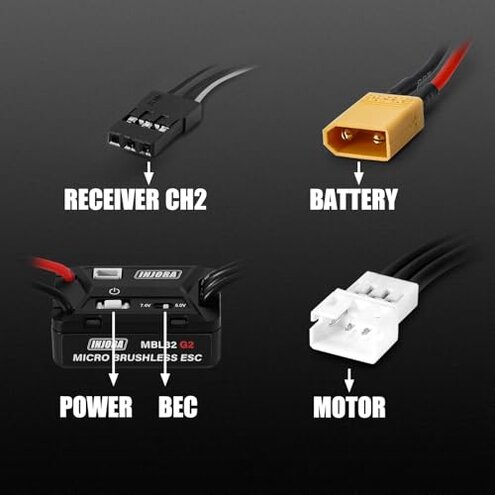
Expectation: Reasonable for this category is simple calibration and basic waterproofing out of the box.
Reality: You often need extra programming, thermal tuning, and sealing to reach that baseline.
Safer alternatives
- Choose units labeled plug-and-play to avoid the USB/programming hidden requirement.
- Pick higher-rated ESCs with explicit thermal headroom for long climbs to neutralize power cuts.
- Look for verified waterproofing with documented field tests to reduce moisture-related failures.
- Buy from vendors that include simple calibration guides or phone support to reduce setup friction.
The bottom line
Main regret: The combined setup and reliability issues make this product more maintenance-heavy than typical mid-range ESC/motor combos.
Verdict: Avoid this unit if you want plug-and-play dependability; consider it only if you can invest time in programming and protective measures.
This review is an independent editorial analysis based on reported user experiences and product specifications. NegReview.com does not sell products.