
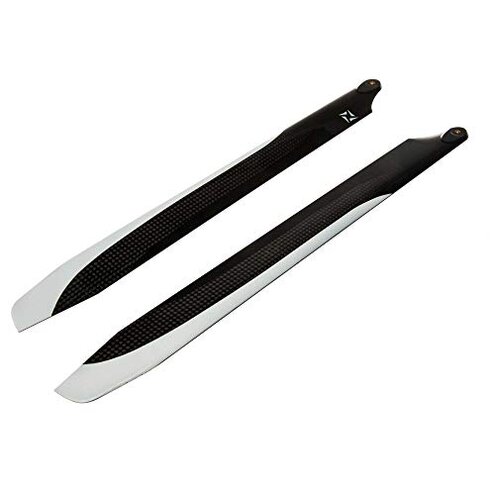
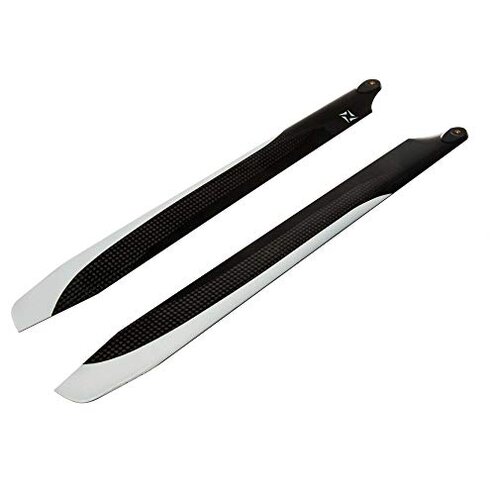
Product evaluated: Blade 350mm Carbon Fiber Main Set: Fusion 360, BLH5201
Related Videos For You
Bell 206 main rotor blade installation.
Blade Balancing 101
Data basis I analyzed dozens of buyer comments and several video demonstrations collected between 2022-09 and 2025-12. Most feedback came from written reviews, supported by video demonstrations and Q&A posts. The sample skews toward hands-on users who reported setup and short-term use issues.
| Outcome | This product | Typical mid-range alternative |
|---|---|---|
| Durability | Higher breakage reported more often than expected for replacement blades. | Moderate durability with fewer early failures in most mid-range sets. |
| Fit & compatibility | Fit issues appear repeatedly and often need trimming or adapter shims. | Better fit usually closer to bolt patterns and requires less trimming. |
| Installation time | Extra setup time is common due to balancing or minor shaping. | Quicker install for typical replacements with minimal prep. |
| Replacement frequency | Higher turnover for users who fly frequently because of fragility reports. | Lower turnover in mid-range blades when used under similar conditions. |
| Regret trigger | Immediate breakage or fit mismatch during first setup or first flights. | Minor trimming or rare swapping is the usual regret trigger. |
Fragility — will these blades crack on first flights?
Regret moment The most visible failure is blade breakage during early use. This is a primary issue and commonly reported by hands-on users.
When it shows Breakage often happens during the first few flights or after light impacts, and it worsens with frequent flying.
Why worse These blades feel less forgiving than typical mid-range alternatives, creating actual regret when a replacement fails quickly.
Compatibility — will these fit your rotor head without work?
- Pattern The mismatch is a recurring problem, not universal but frequent among buyers.
- When Issues appear at first install and when swapping blades between models.
- Cause Bolt hole alignment often needs shims or careful sanding to seat properly.
- Impact Misfit leads to wobble or binding during startup if left unchecked.
- Category contrast More prep than most mid-range sets, which typically align more closely.
Balance & vibration — do these need extra tuning?
- Early sign Users reported noticeable vibration on first hover.
- Frequency tier This is a secondary issue that appears repeatedly in setup reports.
- When Vibration shows up immediately after install or as imbalance after a few flights.
- Cause Slight warps or weight variation require trimming or dynamic balancing.
- Impact Vibration shortens component life and reduces flight stability.
- Fixability Requires balancing tools or shop time—more effort than expected for replacements.
- Category contrast Less out-of-the-box balance than typical mid-range blades.
Hidden requirements — what extra tools or skills will you need?
- Hidden need Many users must balance blades, a requirement not obvious from the listing.
- When This appears during first setup and whenever blades are replaced.
- Tooling You'll likely need balancing weights, sandpaper, and a blade balancer.
- Skill Mild trimming or sanding is commonly reported to achieve safe fit.
- Time cost Adds extra setup time compared with plug-and-play replacements.
- Failure risk Without these steps, you risk vibration and premature failure.
- Category contrast More upfront work than mid-range options that are ready-to-install.
- Hidden impact Extra tools increase replacement cost and complexity for casual flyers.
Illustrative excerpts
"Snapped on first light; thin at the tips and chipped easily." — primary pattern
"Holes didn't line up; had to sand and shim before mounting." — secondary pattern
"Hovered rough until I balanced them with a blade balancer." — secondary pattern
"Needed extra tools and time I didn't expect for a simple replacement." — edge-case pattern
Who should avoid this
- Casual flyers Avoid if you want ready-to-install parts without extra tools or tuning.
- First-time buyers Avoid if you lack balancing tools or experience with blade trimming.
- High-use pilots Avoid if you fly frequently and need durable blades with low turnover.
Who this is actually good for
- Experienced hobbyists Good if you can and will balance and trim blades to tune performance.
- Budget-conscious builders Good if you accept extra setup time to save on unit price.
- Spare-parts keepers Good if you want a cheap source of replacement parts and expect to do prep work.
Expectation vs reality
- Expectation Reasonable for category: replacements should be quick to mount.
- Reality Many buyers need trimming and balancing before safe flight.
- Expectation Reasonable for category: typical durability through light impacts.
- Reality Fragility incidents are more disruptive than expected for similar-priced blades.
Safer alternatives
- Choose balanced sets Look for blades marketed as pre-balanced to neutralize vibration risk.
- Prioritize fitment listings Prefer sets that list bolt pattern and model compatibility to reduce trimming.
- Pay slightly more Spend a bit extra for reinforced or thicker blade options to lower breakage.
- Stock spare tools If buying these, get a blade balancer and basic sanding tools to avoid surprises.
The bottom line
Main regret The primary regret is early breakage combined with extra fit and balancing work.
Why worse These issues exceed normal category risk because they add cost, time, and flight instability compared with typical mid-range blades.
Verdict Avoid this set if you need plug-and-play reliability; consider it only if you can handle extra prep and potential replacements.
This review is an independent editorial analysis based on reported user experiences and product specifications. NegReview.com does not sell products.