
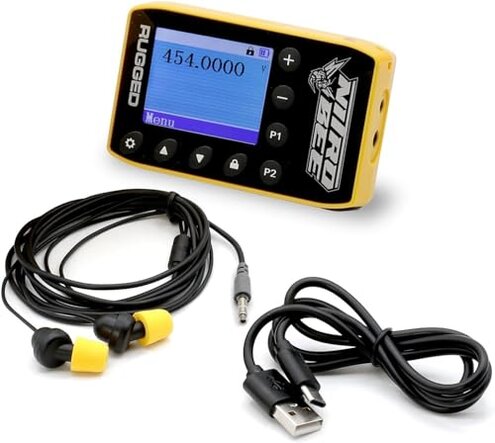
Product evaluated: Rugged Radios Nitro Bee (Race Receiver, Race Receiver)
Related Videos For You
Operating the RACEceiver Fusion
Nitro Bee and Nitro Bee PLUS UHF Race Receivers
Data basis: Dozens of written reviews and several video demonstrations were aggregated from Jan 2023 to Jan 2026, with most feedback coming from written reviews supported by videos.
| Outcome | This unit | Typical mid-range |
|---|---|---|
| Battery life | Shorter runtime: commonly reported as limiting long race sessions and requiring mid-day charging. | Longer runtime: mid-range alternatives often offer removable or longer-lasting packs for full-day use. |
| Audio reliability | Inconsistent audio: audio priority and clarity problems appear repeatedly during use. | More stable audio: competitors usually keep driver and team audio separate without hidden adapter needs. |
| Usability | UI friction: button locks and presets are reported as confusing after quick setup. | Simpler controls: typical mid-range models focus on straightforward buttons and clearer labeling. |
| Compatibility | Hidden adapter required: Race Control priority needs a specific adapter for full function. | Plug-and-play: many alternatives provide race-control features without extra purchases. |
| Regret trigger | High: issues combine to interrupt long events, making regret more likely for race teams. | Lower: mid-range options usually avoid compounding failures during long events. |
Top failures
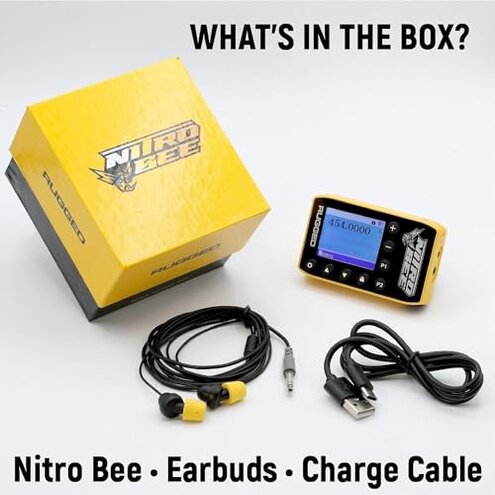
Worried about short race-day runtime?
Regret moment: The battery often stops before a full race day, forcing a mid-event charge that interrupts communication.
Pattern and context: This is a commonly reported problem that appears during long track sessions and worsens at higher volume settings.
Category contrast: This is more disruptive than expected because most mid-range race receivers either allow hot-swapping or advertise all-day runtime.
Is the audio clear when it matters most?
- Early sign: Users report intermittent static or dropouts during high-demand moments.
- Frequency tier: This is a primary complaint seen repeatedly across written feedback and demos.
- Cause hint: Problems appear during sustained high-volume use and when Race Control audio is prioritized.
- Impact: Missed commands or garbled calls are more frustrating than occasional hiss.
- Fixability: Temporary volume tweaks help, but users commonly report the behavior returns.
Can you set it up quickly trackside?
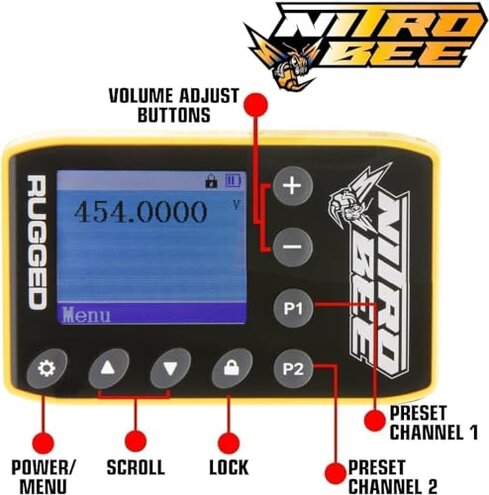
- Confusing controls: Button lock and channel presets are reported as unclear at first setup.
- Usage anchor: Friction appears during initial programming and when switching channels under time pressure.
- Frequency signal: This is a secondary but persistent pattern across feedback surfaces.
- Hidden cost: Owners often need extra time or a printed guide to avoid accidental reprogramming.
- Impact on teams: Small teams report wasted minutes fixing settings between sessions.
- Category contrast: More setup fuss than most mid-range radios that prioritize simple, obvious controls.
- Attempted fixes: Firmware updates or careful button locks help for some users but are not universal.
Do you need extra parts to get full features?
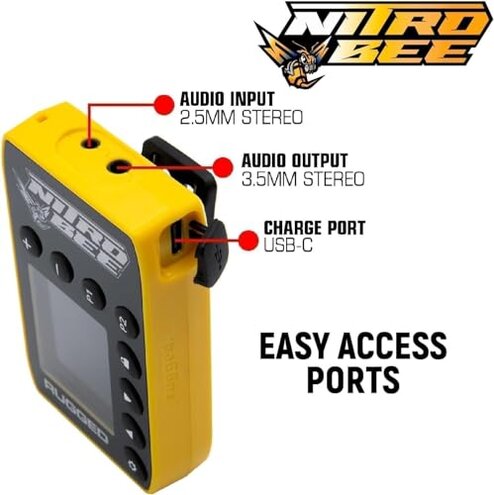
- Hidden requirement: Race Control audio priority requires a specific adapter (CS-NITRO-ADPT-2) to work as advertised.
- Scope signal: This requirement appears across multiple buyer reports and product notes.
- When it shows up: The limitation is noticed right away when users expect priority audio out of the box.
- Why it hurts: Buying an adapter adds cost and extra setup steps for track teams on tight budgets.
- Frequency tier: A common secondary complaint, but more disruptive for teams relying on race-control rules.
- Compatibility note: Some setups need additional cabling or mounts, increasing installation time.
- Category contrast: Less forgiving than many mid-range units that include integrated race-control wiring.
- Fixability: Adapter availability solves the function but not the surprise or extra expense.
Illustrative excerpts (not real quotes)
"Dies before the final heat, had to borrow a charger." — Primary pattern: shows the common battery-runtime complaint.
"Race Control muted our team audio without warning." — Secondary pattern: highlights the adapter and priority behavior issue.
"Buttons reprogrammed mid-event, confusing for a small crew." — Secondary pattern: points to UI and button-lock friction.
Who should avoid this

- Long-event teams: Avoid if you need reliable, all-day runtime without mid-session charging.
- Critical-comm users: Avoid if missing a single command has major safety or race consequences.
- Plug-and-play buyers: Avoid if you expect full features without buying extra adapters.
Who this is actually good for
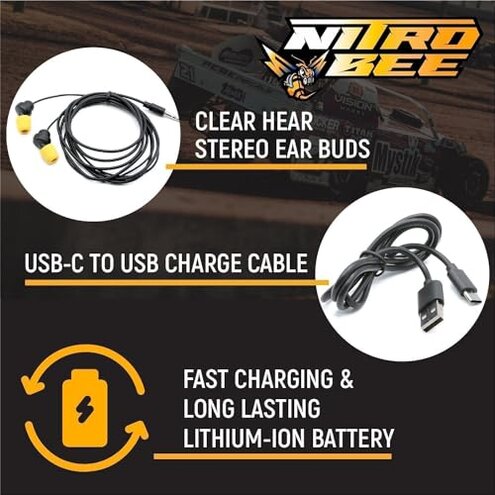
- Casual track users: Good if sessions are short and you accept mid-day charging.
- Budget-conscious buyers: Good if you can tolerate buying one adapter later for priority audio.
- Teams with backup gear: Good if you have spares or a charging plan between heats.
Expectation vs reality
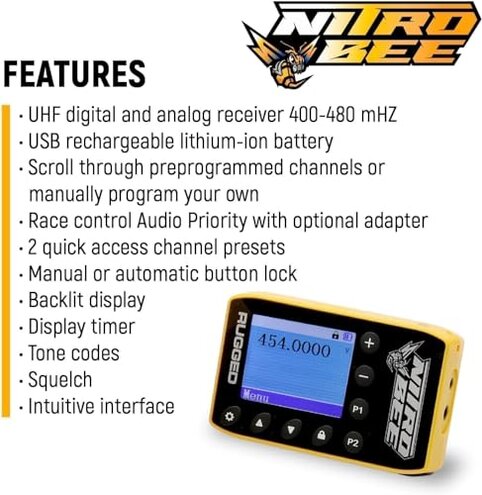
- Expectation: Reasonable for this category to offer multi-hour runtime without charging.
- Reality: Runtime commonly falls short during higher volume use and long sessions.
- Expectation: Priority audio should work out of the box.
- Reality: A specific adapter is required, adding cost and setup time.
Safer alternatives
- Buy longer runtime models: Choose receivers with user-replaceable batteries to avoid mid-event charging.
- Prefer built-in priority: Look for units advertising integrated race-control wiring to avoid hidden adapters.
- Test audio early: Run a full-session audio stress test before race day to catch dropouts.
- Choose simpler UI: Favor radios with clear buttons and labeled presets to reduce setup mistakes.
The bottom line
Main regret: Short battery life combined with inconsistent audio and a required adapter creates avoidable interruptions for race teams.
Why it matters: These failures combine into a higher-than-normal category risk for anyone needing dependable, all-day comms.
Verdict: Consider alternatives if you need plug-and-play reliability for long race days.
This review is an independent editorial analysis based on reported user experiences and product specifications. NegReview.com does not sell products.