
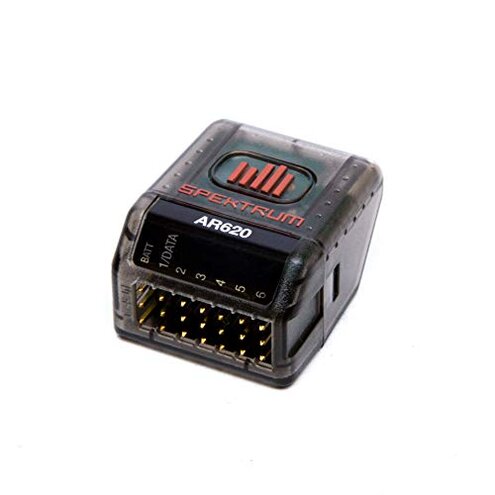
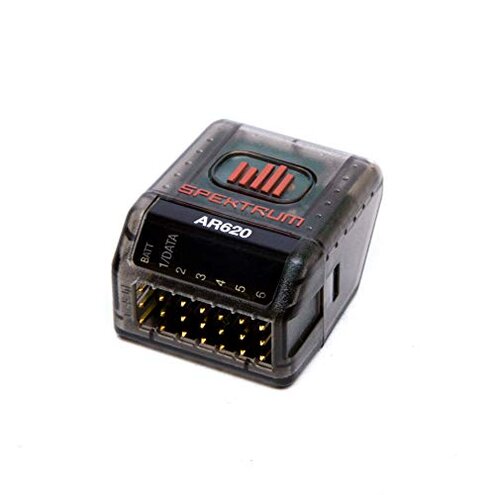
Product evaluated: Spektrum AR620 6-Channel RC Sport Receiver, Black
Related Videos For You
BEST WAY To Bind Transmitter To Receiver
How to bind new receiver with a transmitter #rc #rchobby #hobao #dumborc
Data basis: review aggregation used dozens of written reviews and several video demonstrations collected between 2018 and 2025, with most feedback from written reviews and supported by filmed setup or flight clips.
| Outcome | Spektrum AR620 | Typical mid-range receiver |
|---|---|---|
| Connection stability | Unstable — appears repeatedly during flight for some users. | Stable — most mid-range units maintain link on similar models. |
| Range performance | Variable — range drops reported more often than expected. | Reliable — typical alternatives provide predictable range. |
| Setup & binding | Confusing — binding sequence alternates, causing extra steps. | Straightforward — most mid-range models have one clear bind flow. |
| Telemetry & failsafe | Inconsistent — telemetry appears intermittently for some owners. | Predictable — mid-range units usually report voltage/lock reliably. |
| Regret trigger | Connection loss in use — higher-than-normal risk for flying models. | Low — fewer mid-range receivers cause flight-ending failures. |
Top failures
Why does the receiver lose signal mid-flight?
Regret moment: the radio link drops while the model is airborne, creating an immediate safety risk.
Pattern statement: this is a primary complaint that appears repeatedly across feedback.
Usage anchor: losses show up during first long flights and after weeks of regular flying, and they worsen in crowded radio environments.
Category contrast line: this is more disruptive than typical mid-range receivers, which usually keep a steady link during similar flights.
Why is binding inconsistent or confusing?
- Early sign: bind sometimes requires powering receiver before transmitter or vice versa.
- Frequency: this is a secondary problem reported by many users.
- Cause: alternating bind sequences add extra steps at setup time.
- Impact: inexperienced flyers lose time and confidence before a maiden flight.
- Fixability: re-binding often fixes the issue temporarily but can return.
Why does telemetry and failsafe feel unreliable?
- Primary signal: telemetry sometimes does not populate automatically when expected.
- When: issue appears after initial setup or after firmware/receiver resets.
- Worse when: long sessions and busy RF environments increase telemetry gaps.
- Category contrast: worse than average, because similar receivers provide consistent battery voltage and flight log data.
- Impact: missing telemetry removes a safety layer during flight.
- Attempted fix: rebinds and power-cycling commonly restore telemetry briefly.
- Hidden need: some users must manually enable telemetry features on the transmitter to get reliable data.
Why does the internal antenna design create hidden requirements?
- Design note: internal antenna is advertised as protected inside the case.
- Early sign: reduced range or orientation sensitivity appears during normal flying tests.
- Primary pattern: reduced signal strength reported more often than expected for an internal-antenna receiver.
- When: issues emerge during long-range flights or when the model is rotated at distance.
- Cause: antenna placement increases orientation sensitivity compared to external-wire designs.
- Impact: flight control becomes less forgiving at the edge of range.
- Hidden requirement: buyers often need to add an external antenna or change mounting to restore reliable range.
- Fixability: modding the antenna or choosing a different receiver removes the problem permanently.
Illustrative excerpts (not real quotes)
"Lost link halfway through a high pass, returned to bind mode." — Primary pattern
"Telemetry vanished after five flights; rebind helped once." — Secondary pattern
"Needed to reorient model to regain control at long range." — Primary pattern
"Had to add an external antenna to stop dropouts." — Edge-case pattern
Who should avoid this
- High-risk flyers who need rock-solid link for long-range or acrobatic flying should avoid this receiver due to repeated connection loss.
- Beginners who want a simple out-of-the-box setup should avoid it because binding can be confusing.
- Telemetry-dependent pilots needing consistent battery and log data should avoid this product because telemetry gaps occur.
Who this is actually good for
- Hobbyists flying light indoor sport models and who accept occasional rebinds can tolerate the binding quirks.
- Bench testers and modders willing to add an external antenna will tolerate the internal antenna limits.
- Casual flyers who fly short local flights and don't rely on telemetry can accept the intermittent telemetry.
Expectation vs reality
- Expectation (reasonable for category): a modern sport receiver keeps a steady link during normal flights.
- Reality: some users experience mid-flight drops more often than typical, creating a safety risk.
- Expectation: binding is a one-step flow for most mid-range receivers.
- Reality: the AR620 sometimes requires alternating bind sequences, adding setup time and frustration.
Safer alternatives
- Prefer external antenna designs to neutralize the AR620's orientation sensitivity and restore stable range.
- Choose receivers with documented consistent telemetry to avoid missing battery data in flight.
- Pick models with single-step binding flows to reduce setup confusion and save time before first flight.
- Look for receivers with strong user reports of long-range stability if you plan acro or farther flights.
The bottom line
Main regret: unexpected connection loss and inconsistent telemetry are the core risks that drive buyer regret.
Why worse: these issues are more disruptive than typical mid-range receivers because they affect flight safety and require hidden fixes.
Verdict: avoid this receiver if you need reliable range or consistent telemetry; consider alternatives with external antennas and simpler binding.
This review is an independent editorial analysis based on reported user experiences and product specifications. NegReview.com does not sell products.