
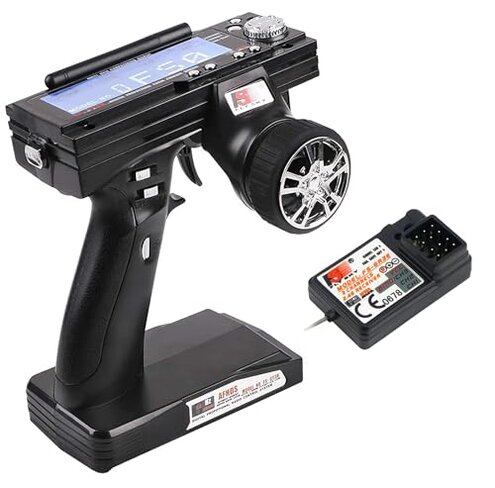
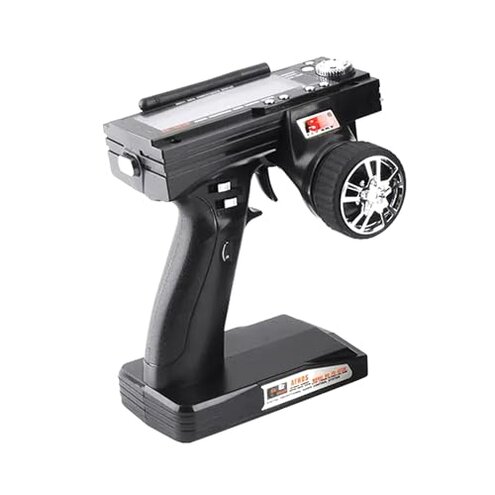
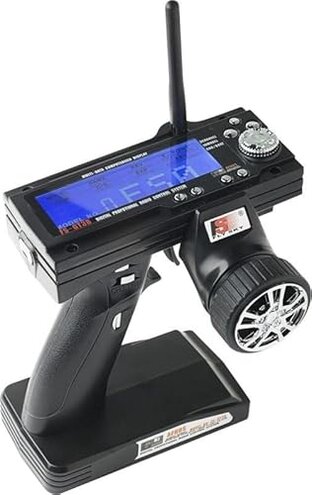
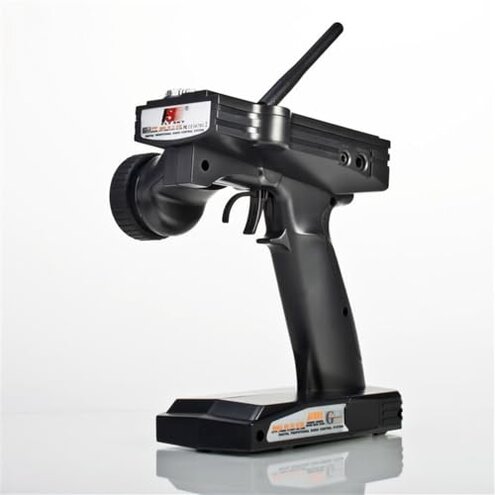
Product evaluated: Flysky FS-GT3B Rc Transmitter & FS-GR3E Receiver, 2.4Ghz 3 Channel Rc Car Remote Controller and Receiver
Related Videos For You
How to: Understanding and Adjusting Basic RC Hobby 2.4Ghz Transmitter Settings
BEST WAY To Bind Transmitter To Receiver
Data basis: This report used dozens of written buyer reviews and several hands-on video demos collected between Jan 2022 and Dec 2025, with most feedback coming from written reviews and supported by demonstration clips and Q&A notes.
| Outcome | Flysky FS-GT3B | Typical mid-range transmitter |
|---|---|---|
| Initial setup | Binding can fail on first try and often needs repeat attempts. | Smoother bind routines usually complete on first try for most alternatives. |
| In-use connectivity | Persistent dropouts appear in some users during normal driving. | Stable link with fewer interruptions under similar conditions. |
| Range & interference | Shorter effective range or more interference in congested areas. | Better resistance to nearby radio noise for most mid-range units. |
| Usability | Hidden setup steps and more trial-and-error to tune trims and endpoints. | Cleaner UI and fewer hidden steps expected in this class. |
| Regret trigger | Unexpected fails during first outings cause the most buyer regret. | Typical regret is minor trim tuning rather than connectivity failure. |
Top failures
Why won't my transmitter bind reliably?
Regret moment: Many buyers report failing to bind on their first setup attempt, which prevents any testing of the car immediately.
Pattern: This issue is a primary complaint and appears repeatedly across written feedback and demo clips.
Context: Failures happen during initial setup or after powering on following battery changes, and become worse with hurried setups.
Category contrast: Binding trouble is more disruptive here than usual because it prevents basic use rather than requiring only minor adjustment.
Why does range and interference feel worse than expected?
- Early sign: Loss of signal at shorter distances than expected during normal backyard runs.
- Frequency: This is a commonly reported secondary problem affecting many users, not everyone.
- Worse when: Issues intensify in crowded radio areas or near Wi‑Fi and other models.
- Why it matters: Reduced range is more frustrating than typical because it causes sudden control loss rather than gradual steering drift.
Why do controls and trims need constant re-tuning?
- Early sign: Steering or throttle trim feels off after first bind and requires repeat calibration.
- Frequency: This is a persistent pattern seen across several user reports.
- Cause: Inconsistent model memory behavior and trims that reset after power cycles contribute to repeat work.
- Impact: More time is spent in setup than driving, which is worse than the usual one-off trim tuning.
- Attempted fixes: Users commonly rebind, re-enter trims, or swap batteries before success.
- Hidden need: Expect to have a separate battery pack and tools for repeated adjustments during first outings.
Why does the receiver lose power or stop responding mid-run?
- Symptom: Sudden receiver dropouts or stalls that stop the car without warning.
- Frequency tier: This is a secondary but severe issue when it occurs for a user.
- When it happens: Dropouts appear after long sessions or after repeated power cycles.
- Causeories: Reports point to connection or power management faults rather than mechanical failure.
- Impact: Mid-run loss is more dangerous and disappointing than minor steering lag common in this category.
- Fixability: Some users solved it by replacing wiring or using a different receiver, which adds cost and effort.
- Scope: Seen across multiple feedback sources and demo videos, indicating it is not an isolated edge case.
Illustrative excerpts (not real quotes)
"Binder failed twice; car wouldn't respond until rebinding." — Primary pattern reflecting initial setup blocking use.
"Signal cut out at moderate distance in a park." — Secondary pattern showing reduced range under real conditions.
"Trims reset after I switched batteries mid-run." — Primary pattern showing setup instability across power cycles.
"Had to replace the receiver to stop stalls." — Edge-case pattern where replacement was the eventual fix.
Who should avoid this
- Competitive racers: Avoid if you need reliable binding and uninterrupted range for events.
- Casual buyers who want plug-and-play: Avoid if you expect a simple first-outing experience without extra troubleshooting.
- Buyers without spare parts: Avoid if you can't accept possible receiver replacement or wiring fixes.
Who this is actually good for
- Hobbyists who like tinkering: Good if you accept extra setup and can troubleshoot binding and trims.
- Budget builders: Good if you expect to upgrade the receiver and tolerate initial fixes for lower upfront cost.
- Learning pilots: Good if you want to learn binding and trimming and can spare time for setup work.
Expectation vs reality
Expectation: A mid-range RC transmitter should bind reliably on first try and let you test-drive quickly.
Reality: This unit often requires repeated binds, trim re-entry, and occasional receiver work before consistent use.
Expectation: Reasonable resistance to interference is standard for mid-range models.
Reality: Users report worse-than-expected interference sensitivity, which causes control loss more often than typical.
Safer alternatives
- Look for robust binding: Choose transmitters with clear, single-step bind routines to neutralize binding problems.
- Prefer proven receivers: Buy units with documented stable links to avoid mid-run dropouts.
- Check community fixes: Pick models with active user guides to reduce the hidden setup time for trims and endpoints.
- Budget for spares: Plan to buy a replacement receiver or wiring kit to neutralize the risk of needing hardware swaps.
The bottom line
Main regret: Binding and connectivity failures are the chief disappointment and stop basic use for many buyers.
Why it matters: These failures are more disruptive than usual for this category because they often require parts replacement or repeated troubleshooting.
Verdict: Avoid this transmitter if you need dependable, out-of-the-box reliability; consider it only if you accept extra setup time and potential hardware fixes.
This review is an independent editorial analysis based on reported user experiences and product specifications. NegReview.com does not sell products.