
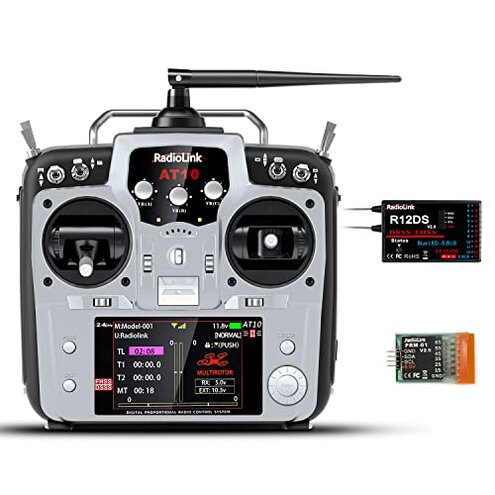
Product evaluated: Radiolink AT10II 12 Channels 2.4G RC Transmitter and Receiver R12DS & PRM-01 Voltage Telemetry Radio Controller for RC Airplane FPV Racing Drone Quad Helicopter Car and Boat (Grey Mode 2 Left Hand)
Related Videos For You
RC Electronics for Noobs
Troubleshooting RC Electronics basics - Diagnose and fix it yourself
Data basis draws on dozens of written reviews and video demonstrations collected between 2017 and 2024, with most feedback coming from written reviews supported by several teardown and flight videos. The summary reflects recurring buyer patterns, recent buyer comments, and hands‑on demonstrations across multiple sources.
| Outcome | Radiolink AT10II | Typical mid-range radio |
|---|---|---|
| Connection reliability | Often reported telemetry dropouts and occasional link losses in field use. | Usually stable link with rare dropouts under same conditions. |
| Setup friction | Higher setup steps for reliable telemetry and optional modules required. | Simpler binding and telemetry with out‑of‑box compatibility and fewer extras. |
| User interface | Mixed feedback about menu clarity and confusing advanced options. | Clearer menus and easier learning curve for new pilots. |
| Regret trigger | Telemetry failure during flight is the most common regret trigger for buyers. | Battery or minor range issues are the typical regret triggers instead. |
| Support & updates | Less consistent firmware/support impressions reported by buyers. | More frequent firmware fixes from established mid-range brands. |
Why did my telemetry disappear mid-flight?
Signal dropout is a frequent source of regret because it interrupts telemetry and can trigger alarmed failsafes during flight. Buyers report this problem appears during real flights and long sessions rather than only in bench tests.
Pattern appears repeatedly across written feedback and video demos, and it is more disruptive than normal for this category because mid-range radios usually keep a steady telemetry link under similar conditions.
Why is setup and telemetry confusing?
- Early signs are mismatched telemetry values or no telemetry showing after binding.
- Frequency is commonly reported during initial setup and first flights by buyers.
- Cause often traces to optional modules or flight controller compatibility that buyers must add.
- Impact adds extra setup time and unexpected purchases for reliable telemetry.
- Fixability varies; some buyers resolved it with extra modules, others did not.
Why does the radio feel less polished than expected?
- Ergonomics complaints include stiff switches and menu navigation that slows routine use.
- UI confusion appears mostly with the advanced menu and during programming of custom mixes.
- Frequency tier places this as a secondary issue compared with telemetry but more irritating than typical mid-range radios.
- Impact is wasted time tuning switches and re-checking mixes before flight.
- Attempts to fix include firmware updates and reading online guides, sometimes successfully.
- Hidden learning curve increases for pilots used to clearer menu flows from other radios.
Why will I need extra gear I didn't expect?
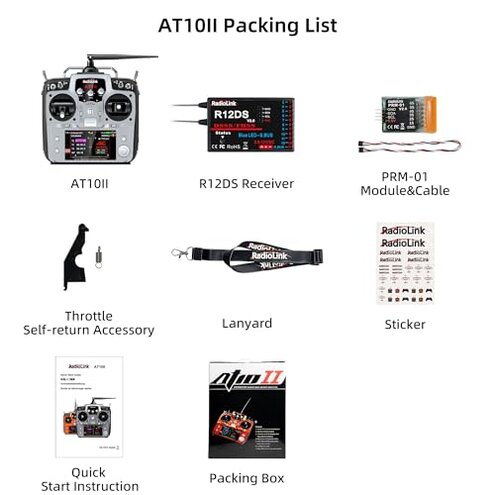
Expectation that included PRM‑01 fully covers telemetry is a common source of buyer regret because full telemetry often needs additional modules or compatible flight controllers.
Usage anchor: the problem shows up after purchase when buyers try to view full telemetry like GPS or advanced telemetry fields mid‑flight.
Category contrast this is worse than normal because many mid-range radios enable richer telemetry without extra hardware, while this model requires add‑ons for parity.
Hidden requirements and recurring causes
- Compatibility shows as a recurring pattern that some flight controllers do not present telemetry immediately.
- Module requirement is a persistent hidden need for buyers wanting full telemetry fields.
- Timing the extra steps appear during first setup and during firmware pairing attempts.
- Impact results in added expense and delayed first flight readiness.
- Workarounds include purchasing extra PRM modules or specific receiver pairings.
- Repair paths are limited; some buyers relied on community guides rather than official support.
- Expectation gap causes regret when buyers expected plug‑and‑play telemetry out of the box.
Illustrative excerpts
Illustrative excerpt: "Telemetry cut out mid‑flight; RSSI dropped to zero unexpectedly."
Pattern reflects a primary pattern.
Illustrative excerpt: "Menus are detailed but confusing for basic setup and mixes."
Pattern reflects a secondary pattern.
Illustrative excerpt: "Had to buy extra module for full voltage telemetry display."
Pattern reflects a primary pattern (hidden requirement).
Illustrative excerpt: "Range seemed fine, but firmware updates were scarce and unclear."
Pattern reflects a secondary pattern.
Who should avoid this
- First‑time pilots who need plug‑and‑play telemetry without extra purchases.
- Frequent flyers who require rock‑solid telemetry during long sessions and cannot risk mid‑flight dropouts.
- Low‑patience tinkerers who dislike extra setup steps, module shopping, and firmware hunting.
Who this is actually good for
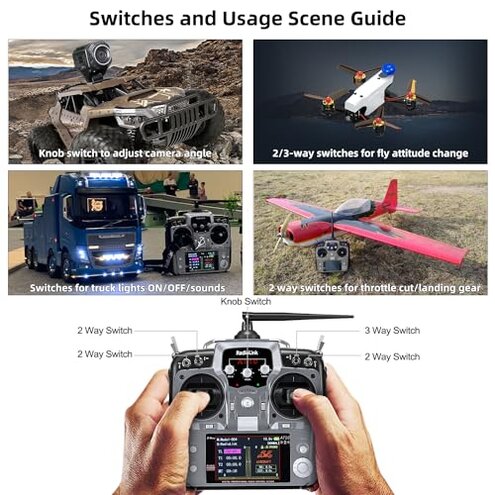
- Hobbyists who enjoy troubleshooting and can accept optional module purchases to unlock telemetry.
- Budget pilots willing to trade immediate polish for a lower price and who can tolerate setup friction.
- Experienced users who know how to pair flight controllers and apply community fixes for UI quirks.
Expectation vs reality
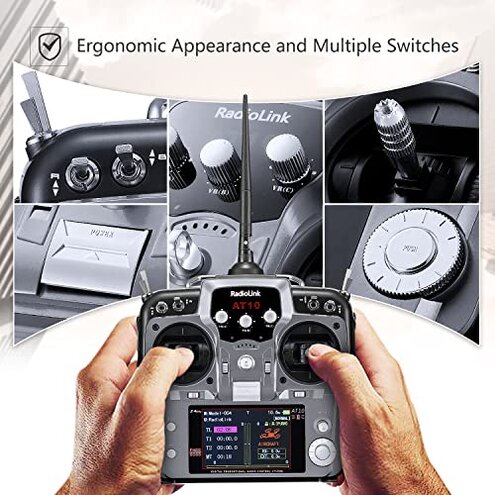
Expectation (reasonable for this category): a mid‑range radio will offer stable basic telemetry and easy binding.
Reality experienced by buyers: telemetry can drop and full telemetry often needs extra modules or specific controller setups, increasing cost and time.
Safer alternatives
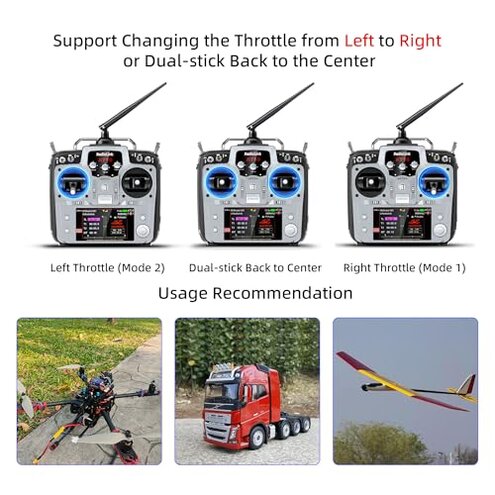
- Pick a radio with built‑in, widely supported telemetry if you need reliable in‑flight data without add‑ons.
- Prefer brands with frequent firmware updates and clear update tools to reduce UI and compatibility pain.
- Look for radios that advertise plug‑and‑play binding with your flight controller to avoid hidden module purchases.
- Check user videos demonstrating real flights and telemetry stability before buying.
The bottom line
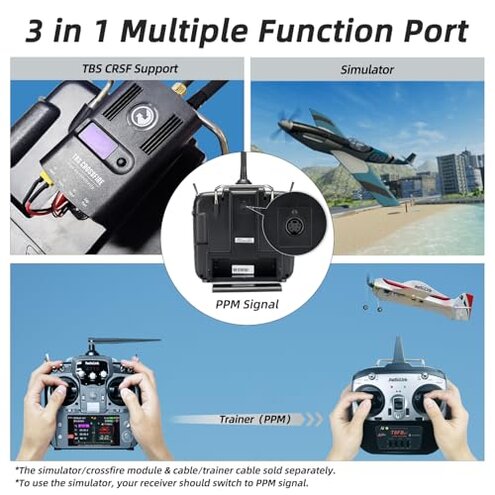
Regret centers on telemetry dropouts and unexpected extra hardware needs that undermine in‑flight reliability.
Severity is higher than typical mid‑range radios because fixes often require added modules, extra setup time, or firmware troubleshooting.
Verdict avoid this unit if you need reliable, out‑of‑the‑box telemetry and minimal setup friction.
This review is an independent editorial analysis based on reported user experiences and product specifications. NegReview.com does not sell products.