
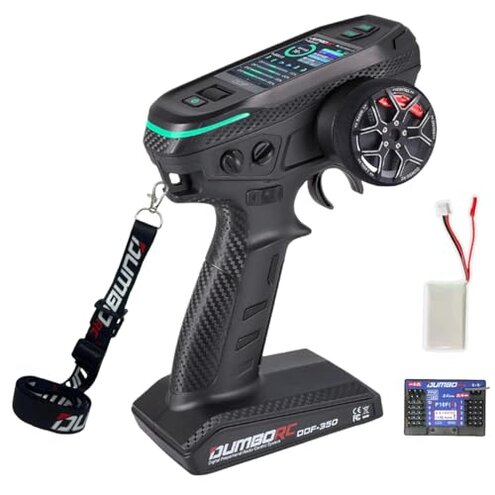
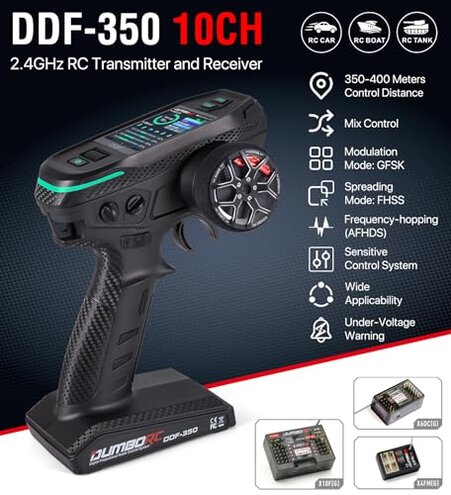
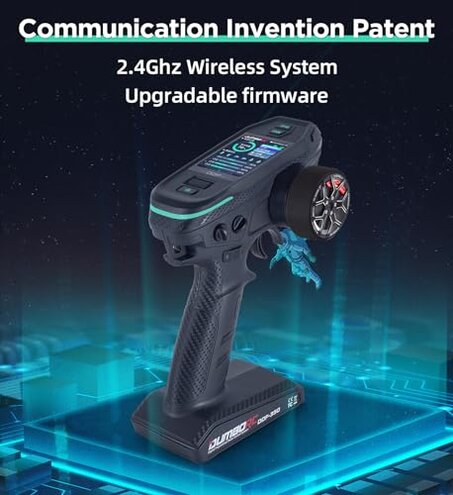
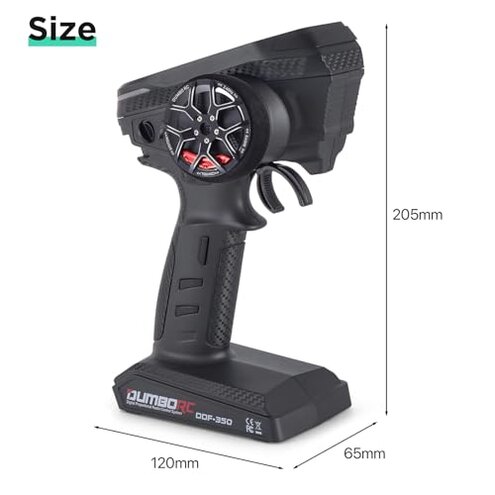
Product evaluated: Dumborc Radio Transmitter DDF-350 Remote and Receiver P10FG Controller for Rc Cars Boats Tank Off-Road
Related Videos For You
RC Electronics for Noobs
How to bind new receiver with a transmitter #rc #rchobby #hobao #dumborc
Data basis: This report aggregates dozens of buyer accounts and product demos collected Jan 2024–Jan 2026, from written reviews and video demonstrations. Most feedback came from written reviews, supported by video tests, and the summary highlights recurring problems and setup surprises.
| Outcome | This product | Typical mid-range |
|---|---|---|
| Connection reliability | Unstable — connection drops commonly reported during normal runs. | Stable — mid-range alternatives usually hold signal throughout sessions. |
| Setup difficulty | Confusing — pairing steps appear unclear to new users and videos show repeated attempts. | Straightforward — competitors typically include clearer binding or simpler receivers. |
| Durability & failures | Premature failure — receiver and controls reported to fail after limited use by multiple buyers. | More durable — most mid-range units last longer under similar handling. |
| Usability | UI friction — menu and trimming require repeated fiddling during runs. | User-friendly — typical options are simpler to adjust mid-session. |
| Regret trigger | Signal loss — connection drops are the most disruptive and lead to loss of control. | Rare loss — signal drops are less frequent and less disruptive. |
Why does the controller lose connection mid-run?
Signal drops happen frequently and are the leading complaint in aggregated feedback.
When it appears: during normal driving or long sessions and sometimes right after binding, with issues worsening during extended use or in busy RF environments.
Category contrast — more disruptive than expected because typical mid-range transmitters keep a steady link under the same conditions, making these drops a primary regret for active RC use.
Why is pairing and setup so confusing?
- Early sign: users report repeated binding attempts before the receiver accepts the transmitter, a commonly reported pattern.
- Usage anchor: confusion appears at first setup and reappears after firmware resets or battery swaps.
- Hidden requirement: the receiver often needs an exact sequence to bind, which is not clearly documented and is a secondary but persistent surprise.
- Category contrast: more steps than most mid-range alternatives, adding extra time and frustration for new hobbyists.
Do receivers or switches fail early?
- Pattern: premature hardware issues are seen across multiple feedback sources, making this a secondary issue.
- When: failures typically show after repeated use or after short field sessions.
- Cause: reported causes include intermittent servo response and unresponsive receiver ports.
- Impact: failures lead to downtime and extra expense to replace receivers or units.
- Attempts: buyers tried rebinding and replacement receivers, sometimes with temporary fixes.
- Fixability: repairs often need spare parts or technical steps that are harder than typical mid-range fixes.
Why is the control layout and trimming frustrating?
- UI friction: menu navigation and trim controls feel unintuitive during practical use, a commonly reported annoyance.
- Early sign: frequent mid-run trim adjustments are needed to keep throttle and steering behaving predictably.
- Frequency tier: this is a secondary issue for many, but more disruptive for competitive or long sessions.
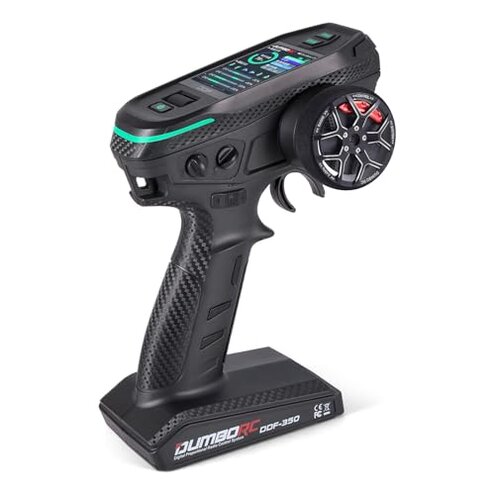
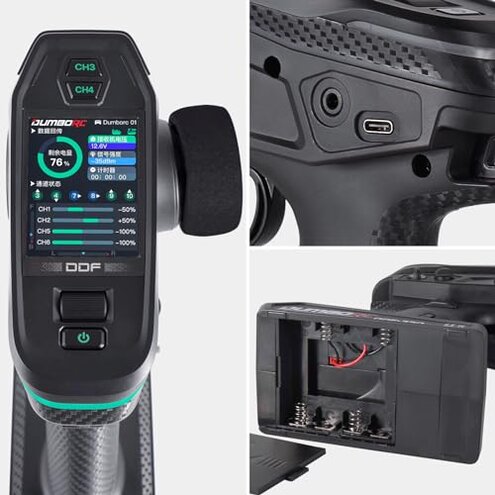
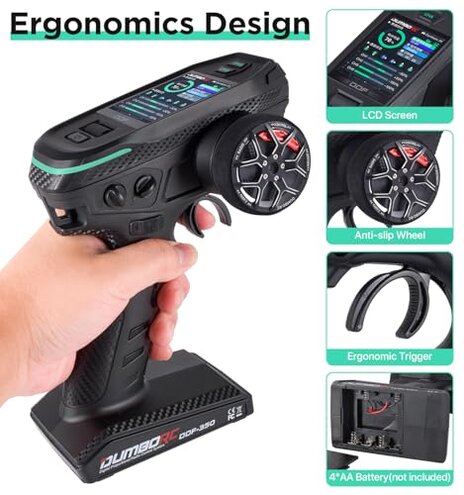
- Cause: small LCD and wheel control require fine motor input and cause extra fiddling.
- Impact: extra minutes of tuning before each run reduce fun and increase setup time.
- Hidden cost: prolonged adjustment adds wear and may expose other reliability problems sooner.
- Category contrast: less forgiving than typical mid-range remotes, which offer simpler on-the-fly trimming.
Illustrative excerpts
Excerpt (illustrative): "Lost control twice during a 10-minute drive, had to restart." — Primary pattern reflecting connection drops.
Excerpt (illustrative): "Binding only worked after five tries and reading scattered notes." — Secondary pattern about setup confusion.
Excerpt (illustrative): "Menu wheel is tiny; trimming mid-run is awkward and slow." — Edge-case pattern tied to UI friction.
Who should avoid this
- Competitive drivers: avoid if you need reliable signal and zero mid-run drop risk.
- Beginners: avoid if you expect plug-and-play binding without extra steps or troubleshooting.
- Remote operators: avoid for longer sessions or crowded RF environments where drops worsen.
Who this is actually good for
- Hobby tinkerers: okay if you accept extra setup and enjoy troubleshooting to save money.
- Casual users: fine for short, low-risk runs where occasional drop is tolerable.
- Spare-parts buyers: acceptable if you plan to use it as a parts donor or practice binding steps.
Expectation vs reality
- Expectation: reasonable for this category is straightforward binding and reliable link; Reality: binding often needs exact steps and links drop during use.
- Expectation: a mid-range transmitter should be durable; Reality: multiple buyers saw early receiver or control failures.
- Expectation: usable trimming on the fly; Reality: menu and wheel make adjustments slower than competitors.
Safer alternatives
- Choose units with documented binding: prefer transmitters that include step-by-step pairing guides to neutralize setup confusion.
- Prefer proven receivers: pick systems with a history of durability to avoid premature failures.
- Look for simple trims: select remotes with easier on-the-fly controls to eliminate UI friction during runs.
- Check return policy: buy from sellers with easy returns to mitigate risk if signal problems appear.
The bottom line
Main regret: frequent connection drops and unclear pairing steps cause the largest frustration for buyers.
Why worse: these problems are more disruptive than typical mid-range transmitters and often lead to downtime or replacement.
Verdict: avoid this model for competitive or critical RC use, but consider it only if you accept extra setup and potential early fixes.
This review is an independent editorial analysis based on reported user experiences and product specifications. NegReview.com does not sell products.