
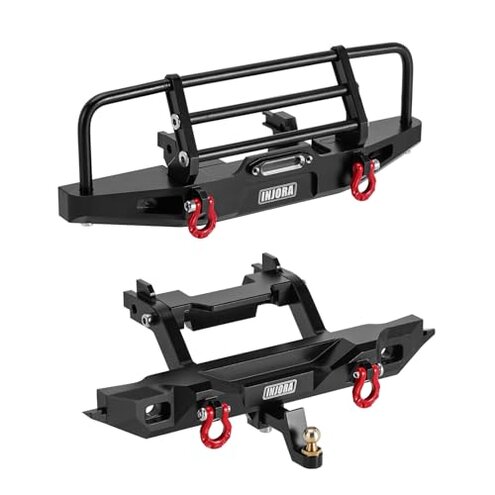
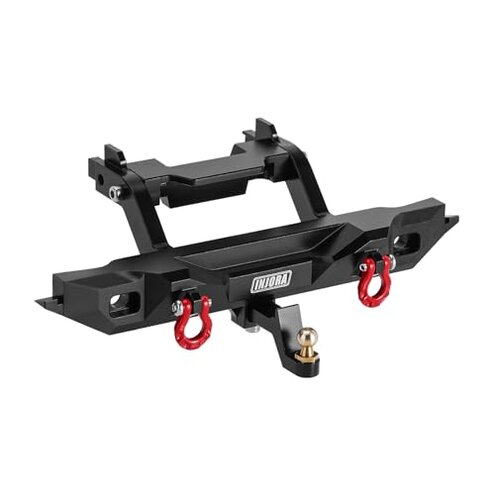
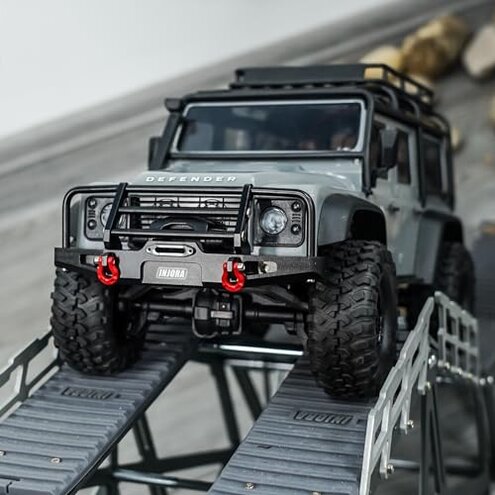
Product evaluated: INJORA 37g Front and 26g Rear Bumper - CNC Aluminum Bumper with Light for 1/18 RC Crawler TRX4M Defender Upgrade
Related Videos For You
SSD Rock Shield bumper install - Axial SCX10 II
Install LED Lights On Your RC Vehicle - How-To
Data basis: This report is based on dozens of buyer comments collected from written reviews and video demonstrations between Dec 2023 and Jan 2026. Most feedback came from written reviews, supported by video demonstrations that show installation and use.
| Outcome | INJORA bumpers | Typical mid-range bumper |
|---|---|---|
| Fit & install | High variability — buyers commonly report trimming or extra steps during first fit. | Usually plug-and-play — most mid-range parts fit stock mounts without modification. |
| Hardware completeness | Higher-than-normal risk — reports often mention missing or wrong screws and hidden modifications. | Complete kit — mid-range competitors more often include correct fasteners and instructions. |
| LED lights | Mixed reliability — wiring or dim lights appear repeatedly in demonstrations and posts. | Consistent lighting — similar-priced alternatives usually have clear wiring and brighter LEDs. |
| Durability | Surface wear shows up after use in some buyer footage and written notes. | More forgiving — mid-range parts show fewer early scratches or thread issues. |
| Regret trigger | Installation surprises — unexpected extra work during setup is the main regret signal. | Lower setup friction — mid-range options usually need less rework at install. |
Why won’t this just bolt on?
Install fit is the most common frustration and appears repeatedly across written reviews and video demos.
When it happens, buyers see misaligned mounting holes during first use and often need drilling, shimming, or trimming to complete installation.
Category contrast — this is worse than expected because most mid-range RC bumpers are closer to plug-and-play, so extra install time creates real regret.
Are there missing screws or extras I must buy?
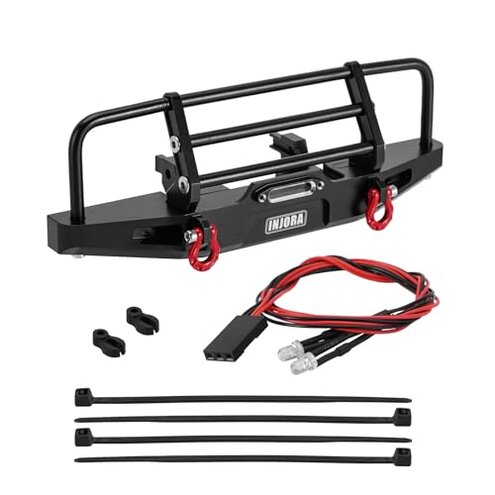
- Completeness: Many buyers report missing or incorrect screws and small parts after unboxing, a recurring pattern in written feedback.
- Hidden requirement: Successful install commonly requires extra screw sizes or thread-locking, shown in several video setups.
- When it matters: This shows up at first assembly and worsens for users without spare hardware kits.
- Category contrast: More painful than typical because mid-range kits usually include correct fasteners and clear lists.
Will the LED lights actually work reliably?
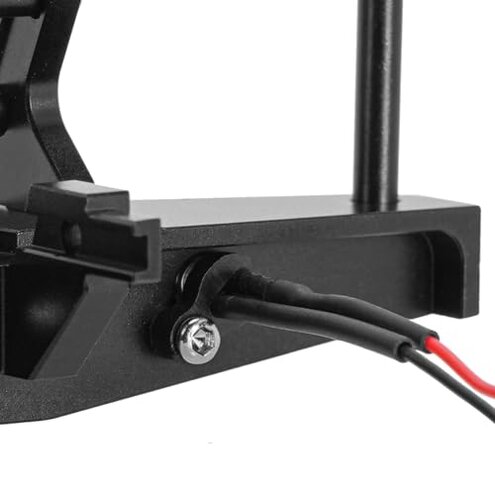
- Lighting issues: Wiring problems and dim LEDs appear repeatedly across feedback types, though not universal.
- Usage anchor: Problems are most visible during initial power-up and in night runs shown in videos.
- Cause signal: Reports point to loose connectors, unclear polarity, or weak LED brightness as likely culprits.
- Impact: For buyers expecting bright, ready-to-use lights, this is more disruptive than normal.
- Fixability: Some users resolved issues by re-soldering or using different connectors, adding extra work and time.
- Hidden time cost: Troubleshooting lighting commonly adds an hour or more for non-expert users.
Will this hold up after crashes and runs?
- Surface wear: Scratches and scuffs on the finish are often shown in post-use photos and clips.
- Thread stress: A smaller group reports stripped threads after repeated installs or heavy use.
- When it appears: Wear shows up after several runs or during intense trail use, not immediately for all buyers.
- Repair attempts: Buyers frequently suggest thread inserts or loctite as fixes, implying extra cost.
- Category contrast: This is slightly worse than average because mid-range aluminum parts often resist early thread issues better.
- Persistence: The issue is less frequent but more frustrating when it happens because repairs are invasive.
- Replacement cost: Fixes commonly require extra parts or a new bumper, adding time and expense.
Will swapping these change how the model drives?
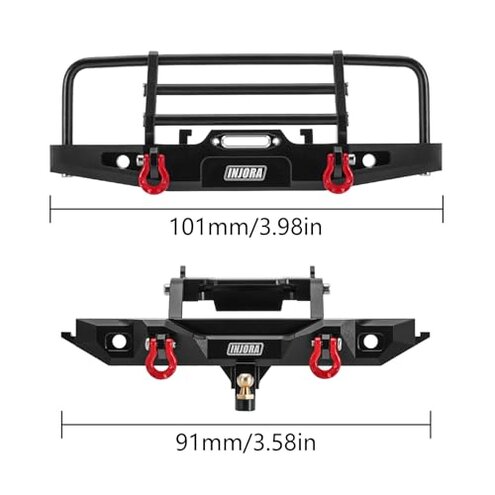
- Weight shift: The front is 37g and rear 26g, which a few buyers note can slightly affect balance during precise crawling.
- When noticeable: Weight effects show up during technical climbs and when the stock balance was already marginal.
- Cause: The aluminum construction concentrates weight at endpoints, unlike some plastic alternatives.
- Impact: For casual use the change is minor, but for competition or tuned rigs it can be disruptive.
- Mitigation: Users who noticed this added foam or redistributed weight to restore original handling.
- Category contrast: This is an expected trade-off, but slightly more noticeable than many mid-range upgrades.
- Frequency tier: Edge-case for most, but primary for users running optimized setups.
Illustrative excerpts
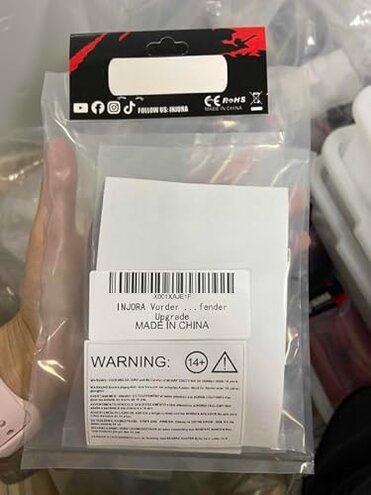
"Had to drill new holes for the front bumper to sit correctly." — illustrative; reflects a primary pattern.
"LEDs were dim and the connector didn’t match my plug, needed soldering." — illustrative; reflects a secondary pattern.
"One screw was shorter than needed, had to use my own fastener kit." — illustrative; reflects a secondary pattern.
Who should avoid this
- Buyers needing plug-and-play — avoid if you expect zero-fitment work because installation surprises are common.
- People without hardware spares — avoid if you don’t have extra screws or tools, due to missing fastener reports.
- Night-run enthusiasts — avoid if you need reliable, bright LEDs out of the box, given wiring and brightness issues.
Who this is actually good for
- Experienced hobbyists — tolerate trimming and extra screws because you can fix fitment and wiring quickly.
- Custom builders — willing to accept weight and finish trade-offs to gain the aluminum look and mod-friendly parts.
- Shop-equipped users — you can handle missing hardware and soldering, so the product’s downsides are manageable.
Expectation vs reality
- Expectation (reasonable for category): Bumpers bolt on with included hardware.
- Reality: Many buyers need extra screws or minor drilling before full fit.
- Expectation: LEDs work reliably after plug-in.
- Reality: Wiring or dim output requires troubleshooting for a notable share of buyers.
Safer alternatives
- Choose complete kits — prioritize bumpers that explicitly list included hardware to neutralize missing fastener issues.
- Look for plug-and-play fit — pick products with vehicle-specific fit claims to avoid extra trimming and drilling.
- Prefer pre-wired lights — buy bumpers with clear connector types or standardized pigtails to avoid LED wiring fixes.
- Check durability tests — select parts with user footage showing post-run condition to lower risk of early wear.
The bottom line
Main regret: Unexpected installation work and missing hardware are the key regret triggers reported across reviews and videos.
Risk level: These problems exceed normal category risk because they add extra time, parts, and skills for many buyers.
Verdict: Avoid this if you want a true plug-and-play upgrade; consider it only if you can handle extra install steps and minor wiring fixes.
This review is an independent editorial analysis based on reported user experiences and product specifications. NegReview.com does not sell products.