
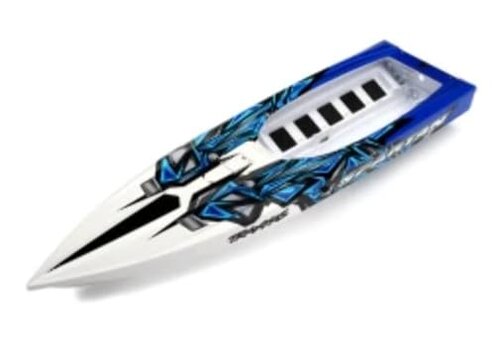
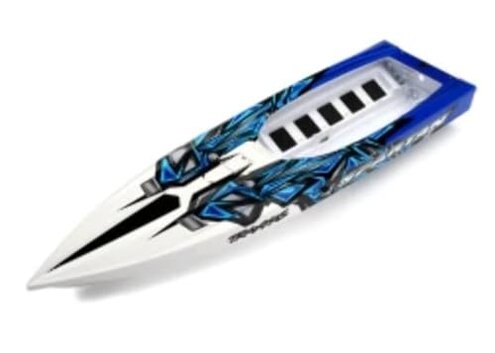
Product evaluated: Traxxas Hull Spartan White
Related Videos For You
Fast RC Boat Electronics Options, Weight Distribution, Prop Selection, Setup & Install Pt2 How To
RC Boat Trim Tab Tuning Tips - How To Use Trim Tabs Effectively - Deltaforce 35
Data basis: This report used dozens of buyer comments and repair notes plus several video demonstrations collected between Jan 2023 and Jan 2026. Most feedback came from written reviews, supported by video demonstrations and community posts. The source mix shows a qualitative tilt toward hands-on installation reports.
| Outcome | Traxxas Hull | Typical mid-range hull |
|---|---|---|
| Installation ease | High friction often needs trimming or extra hardware during first fit. | Plug-and-play usually fits stock components with minimal modification. |
| Compatibility risk | Above normal for this category due to tight tolerances and model-specific cutouts. | Lower risk with more universal mount points and clearer templates. |
| Finish & prep | Requires work painting or sanding is commonly needed to reach show quality. | Better ready factory finish or clearer prep instructions reduce effort. |
| Durability | Mixed reports of cracks under stress, more than typical hobby hulls. | More robust mid-range options tolerate normal handling better. |
| Regret trigger | Fit failure at first installation that forces extra parts, time, and trimming. | Minor tweaks or none, causing less buyer regret overall. |
Top failures
Why won’t this hull just fit my boat?
Regret moment: You discover a gap or interference during first assembly and must modify mounting points.
Severity: This is among the primary issues and is more disruptive than expected for hobby hulls.
Context: Problems appear at first use when aligning the hull to standard drivetrain and mounting hardware.
Category contrast: Most mid-range hulls allow bolt-in installs; this hull often needs trimming or custom shimming, which adds time and cost.
How bad are the fit and finish issues?
- Finish mismatch: Early signs are rough paint edges and uneven cutouts, requiring sanding or repainting.
- Recurring pattern: This is a commonly reported problem across written feedback and video demos.
- Cause hint: Factory trim lines and cutouts are tight and sometimes misaligned with aftermarket hardware.
- Impact: Expect extra prep time before the hull looks or performs like a finished boat.
- Attempted fixes: Buyers frequently file, sand, and re-drill to resolve clearance.
Will this hull survive regular use?
- Durability warning: Reports of stress cracks appear after repeated use or impact, making this a secondary but notable issue.
- Early signs: Hairline cracks around mounting holes or thin edges after long sessions.
- Frequency tier: Less frequent than fit issues, but more frustrating when it occurs due to repair difficulty.
- Worsening conditions: Problems increase with long runs, rough launches, and frequent handling.
- Cause: Tight mounting that concentrates stress, rather than reinforced support around fasteners.
- Fixability: Repairs require epoxy/patching and sometimes replacement parts, adding cost and downtime.
- Hidden cost: Replacement hull or reinforcement is more expensive than expected for a mid-range part.
Does the hull need extra parts or special skills?
Hidden requirement: You often need extra screws, shims, and trimming tools not included with the hull.
When it appears: This shows up immediately during assembly when parts don’t align and stock hardware won’t fit.
Why it matters: Unlike many mid-range options, the hull assumes access to hobby tools and spare hardware, which leads to real regret for buyers expecting ready-to-run installation.
Illustrative excerpts
Illustrative: “Hull didn’t line up; had to trim mounts and buy extra screws.” — primary
Illustrative: “Paint edges rough, required sanding before mounting electronics.” — secondary
Illustrative: “Cracked near bolt hole after a weekend of use.” — edge-case
Who should avoid this
- Buyers wanting plug-and-play: If you expect bolt-in, ready-to-run fit, this hull often fails that expectation.
- Casual hobbyists: If you lack tools or spare hardware, installation will add cost and frustration.
- Users needing high durability: If you run long sessions or rough launches, this hull may be less robust than alternatives.
Who this is actually good for
- Experienced hobbyists: Willing to trim and reinforce the hull to achieve the desired fit and finish.
- Custom builders: Want a base hull to modify because they expect to add reinforcement and custom mounts.
- Budget-minded modders: Happy to invest time instead of paying extra for a premium ready-to-run hull.
Expectation vs reality
Expectation: Reasonable for this category to need minor adjustments.
Reality: More than minor work is often required; trimming, extra hardware, and sanding exceed typical mid-range effort.
- Expectation: Factory cutouts will match common drivetrain parts.
- Reality: Cutouts often need re-drilling or filing to clear prop shafts and mounts.
Safer alternatives
- Check templates first: Compare hull cutouts to your boat’s hardware before purchase to avoid fit surprises.
- Choose reinforced designs: Look for hulls with built-in reinforcement around mounting points to lower crack risk.
- Prefer documented fits: Buy options with clear fit notes or user photos showing the same drivetrain layout you own.
- Budget for extras: Plan for screws, shims, and finishing supplies when choosing non-ready-to-run hulls.
The bottom line
Main regret: The primary trigger is poor initial fit that forces trimming, extra hardware, and time.
Why it’s worse: That installation friction and occasional durability issues exceed normal mid-range expectations.
Verdict: Avoid this hull if you need plug-and-play reliability; consider it only if you accept extra work and possible reinforcement.
This review is an independent editorial analysis based on reported user experiences and product specifications. NegReview.com does not sell products.