
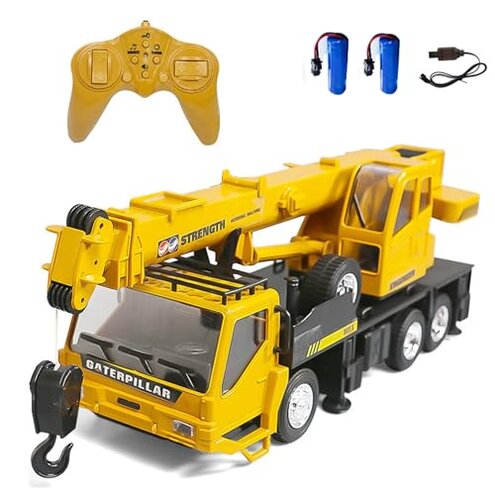
Product evaluated: WEECOC RC Crane Construction Tractor Remote Control Large Crane Truck wiht Light and Sound Rechargeable Electronics Hobby Toys for Kids Boys Child (Yellow)
Related Videos For You
Detailed operation of D1050 6x6 hydraulic crane truck! It can be provided custom color! #rccrane
Best battery charging hack for dead batteries!!!!
Data basis: This report summarizes findings from dozens of written reviews and a sample of video demonstrations collected between 2023 and 2026. Most feedback came from written reviews, supported by video clips and Q&A posts.
| Comparison | WEECOC RC Crane | Typical mid-range RC crane |
|---|---|---|
| Control range | Inconsistent — reported drops and short range in many buyer notes. | Reliable — steady performance expected for this price tier. |
| Battery life | Short — rechargeable pack drains faster than buyers expect. | Average — typical mid-range packs allow longer play sessions. |
| Durability | Fragile — plastic joints and boom failures appear repeatedly. | Sturdier — most alternatives tolerate rougher play. |
| Setup friction | Hidden steps — AA battery fit issues and unclear instructions create extra work. | Smoother — fewer hidden battery or instruction problems. |
| Regret trigger | High — multiple, connected failures lead to early regret during first uses. | Lower — one-off issues are more common than systemic failures. |
Top failures
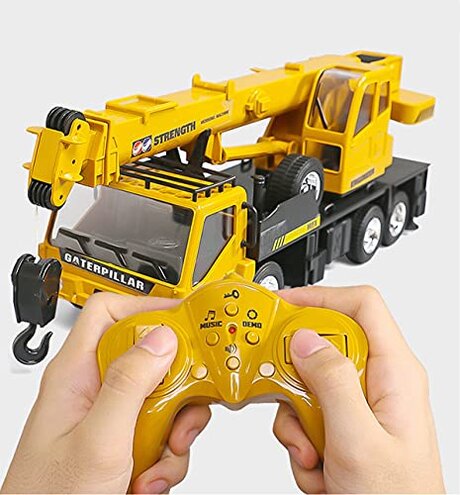
Why does the battery die fast and ruin play sessions?
Battery life is the main frustration that often ends a play session early and forces frequent recharges.
Pattern: This is a primary issue seen repeatedly in buyer feedback.
When it appears: Usually during the first few uses and gets worse with long play or repeated charging cycles.
Category contrast: Battery performance here is worse than expected for mid-range RC toys, which normally give longer uninterrupted play.
Why does the remote lose control or feel unreliable?
- Signal drop: Recurring reports of the crane cutting out during turns or distant moves.
- Range limits: The claimed extended range often fails in real use, especially outdoors.
- Interference: Problems tend to appear near Wi‑Fi or other remotes, worsening during group play.
- Early sign: Jerky or delayed responses during first setup predict bigger issues.
Why does the model break or feel cheaply made?
- Weak joints: Boom and hinge stress points crack or loosen after moderate use.
- Plastic fatigue: Small parts wear out faster than typical mid-range toys.
- Unforgiving design: Rough play or drops more often cause permanent damage here.
- Repair difficulty: Replacements or DIY fixes require precise small parts buyers often lack.
- Severity tier: This is a secondary issue but causes lasting regret when it occurs.
- Worsens with time: Repeated handling and long sessions accelerate failures.
Why are there hidden battery and setup requirements that surprise buyers?
- Small compartment: The remote's AA battery slot is smaller than expected and rejects some brands.
- Compatibility note: The listing warns some AA batteries may not fit or make poor contact.
- Hidden step: Buyers must try multiple AA brands or cut trims to get proper contact.
- Charger limits: The included USB charger powers packs but runtime still remains short.
- Instruction gaps: Setup guidance is minimal, increasing trial-and-error time.
- Edge-case pattern: This is a persistent but fixable issue for shoppers who expect plug-and-play.
- Real impact: These surprises add setup time and can stop first-use play entirely.
Illustrative excerpts (not real quotes)
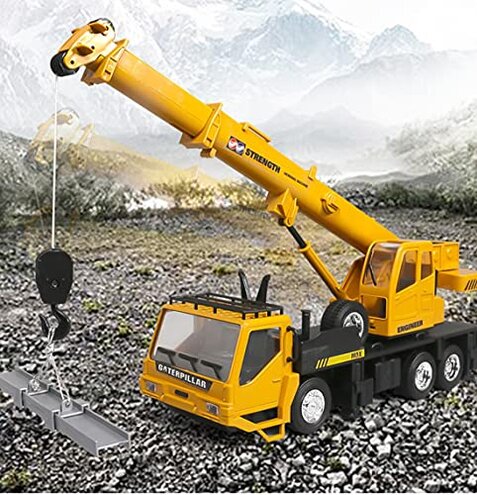
"Battery dies after 15 minutes of play; charger barely helps." — reflects a primary pattern.
"Remote stutters when another device is nearby, then cuts out." — reflects a secondary pattern.
"AA won't fit the remote unless I force it; instructions don't warn." — reflects an edge-case pattern.
Who should avoid this
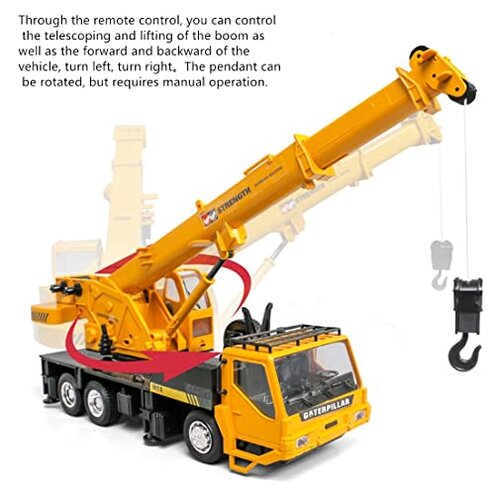
- Frequent players: Kids who play long sessions will face repeated recharges and interruptions.
- Outdoor users: Buyers expecting long range and reliable outdoor control should avoid this model.
- Low-maintenance buyers: Those who want plug-and-play will be surprised by hidden battery and setup work.
- Repair-averse owners: People unwilling to replace fragile parts or source spares will regret this purchase.
Who this is actually good for
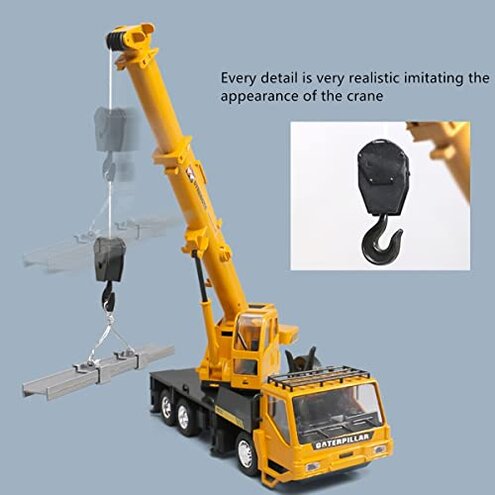
- Light indoor use: Casual, short sessions at home where battery drain is less disruptive.
- Budget buyers: Shoppers who accept shorter life and occasional fixes to save money.
- Tinkerers: Owners comfortable swapping batteries, tightening joints, or doing small repairs.
- Supervised kids: Parents who monitor play and can recharge frequently or limit range.
Expectation vs reality
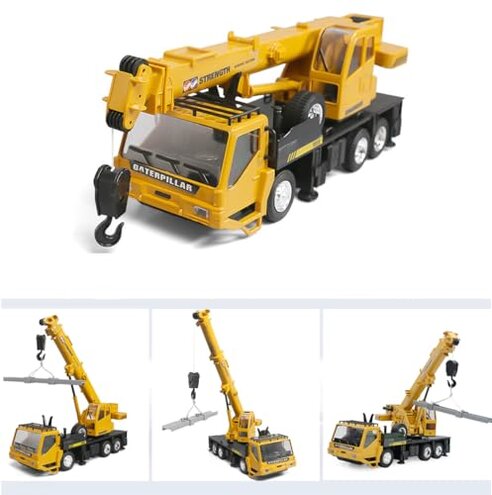
Expectation: Most buyers expect a mid-range RC crane to deliver steady control and multiple 20–30 minute sessions per charge.
Reality: This model often provides shorter playtimes and less reliable control, creating more interruptions than category peers.
Safer alternatives
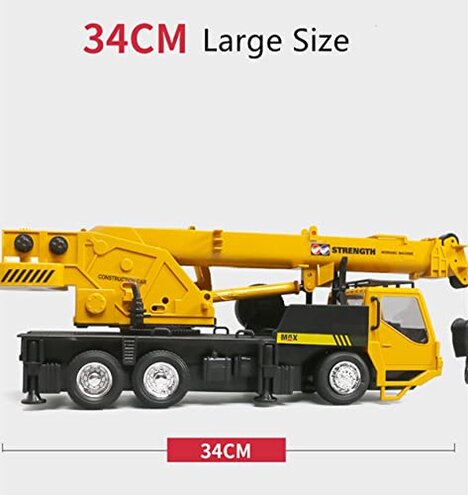
- Pick models with replaceable packs: Look for cranes with user‑replaceable battery packs to avoid short runtimes.
- Check signal tech: Favor remotes advertised with robust frequency or anti‑interference features for outdoor use.
- Read fit notes: Choose products that specify battery sizes and include spare batteries to avoid AA fit surprises.
- Prioritize build quality: Prefer toys with metal gears or reinforced joints to reduce breakage risk.
- Watch real demos: Search video playtests focusing on runtime and range before buying.
The bottom line
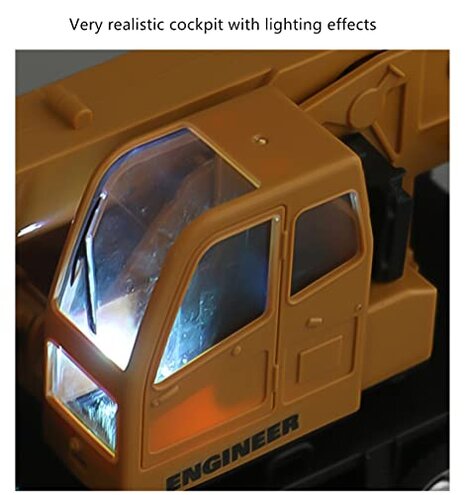
Main regret: Short battery life combined with unreliable remote control and fragile parts is the chief reason buyers regret this purchase.
Why worse: These issues compound at first use and during outdoor or long sessions, making the product less reliable than similar-priced alternatives.
Verdict: Avoid this model unless you accept frequent recharges, occasional repair, and extra setup steps.
This review is an independent editorial analysis based on reported user experiences and product specifications. NegReview.com does not sell products.