
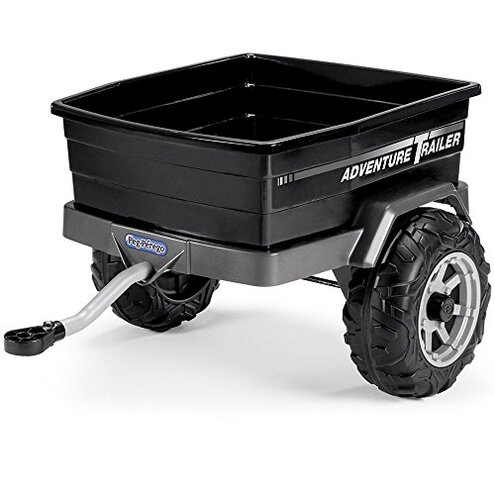
Product evaluated: Peg Perego Adventure Trailer Ride On, Black
Related Videos For You
Install a Tobbi 6V Kids Ride On ATV with Trailer | TH17M1011/TH17N1012/TH17P1013/TH17R1014/TH17S1015
Have you ever used a bike trailer for your kids? 🤩 And did you know that it can also be used as a r
Our analysis is based on dozens of customer reviews and video feedback collected from May 2016 through early 2024. Most feedback comes from written product reviews, supplemented by user demonstration videos, providing a well-rounded view of real-world use and common problems.
| Feature | Peg Perego Adventure Trailer | Typical Mid-Range Alternatives |
|---|---|---|
| Durability | Wears out faster under regular kid use | Generally holds up better under similar conditions |
| Assembly Complexity | Requires multiple steps and adjustments to secure | Simpler assembly with fewer tools needed |
| Compatibility | Limited to specific Polaris and Peg Perego models | Often more universally compatible |
| Regret Trigger | Loose wheels and hitch issues leading to frequent reassembly | Less frequent stability problems reported |
| Weight Capacity | 66 pounds, but users report limits at lower effective capacity | Similar or higher real-world capacity |
Why does the trailer's wheel durability frustrate users?
Many buyers experience wheel wear and looseness after only a few months. This happens after repeated outdoor use on rough surfaces, causing wobbling. It feels worse than usual because other trailers in this price range handle rough terrain with less downtime.
- Early signs: Wheels start feeling loose or make noise within weeks.
- Frequency tier: Primary complaint among reviewers.
- Cause: Less robust wheel assembly compared to competitors.
- Impact: Reduced safety and increased maintenance hassles.
- Fix attempts: Users try tightening but need frequent rechecks.
- Hidden requirement: Needs regular wheel maintenance not clearly stated.
What makes the hitch connection a common source of trouble?
The hitch pin often does not lock securely, causing worry about trailer detachment during use. This problem shows up at initial setup and persists with vibrations during rides. It is more frustrating because typical trailers offer a more foolproof, stable hitch mechanism.
- Early signs: Difficulty securing the pin firmly.
- Frequency tier: Secondary but consistent issue.
- Cause: Design requires precise alignment and force.
- Impact: Interruptions during play and safety risks.
- Fix attempts: Some buyers add aftermarket clips.
- Hidden requirement: Extra tools or clips recommended by users.
How does model compatibility limit buyer satisfaction?
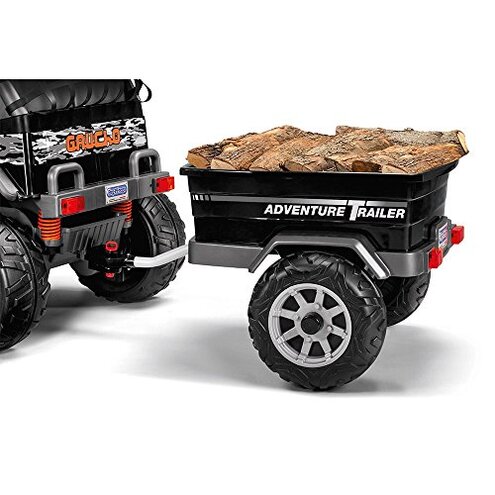
The trailer fits only certain 12 and 24 volt Polaris and Peg Perego models. This restriction becomes apparent when buyers attempt to use it with other ride-ons. It’s a bigger issue than usual because many trailers in this category offer broader compatibility or adapters.
- Early signs: Inability to attach without modifications.
- Frequency tier: Edge-case but significant for those affected.
- Cause: Proprietary hitch design tailored to specific models.
- Impact: Additional expense and effort to adapt or incompatible use.
- Fix attempts: Custom adapters or replacements required.
- Hidden requirement: Need to confirm exact model fit before purchase.
Illustrative excerpts:
- "Wheels loosened after just a few uses, had to stop using it." (Primary pattern)
- "Pin doesn’t lock well; worried my kid’s trailer would come off." (Secondary pattern)
- "Bought this for a different ride-on, but it doesn’t fit at all." (Edge-case pattern)
- "Assembly was tricky and took much longer than expected." (Secondary pattern)
- "Needs frequent maintenance, which is annoying for a kid’s toy." (Primary pattern)
Who should avoid this
- Parents needing a durable, low-maintenance trailer for frequent outdoor use.
- Buyers wanting a simple, quick assembly process without extra tools.
- Those requiring a trailer with wide compatibility beyond specific Polaris or Peg Perego ride-ons.
- Users unwilling to perform regular maintenance on wheels and hitch for safety.
Who this is actually good for
- Families with the exact compatible ride-ons who value brand matching over universal fit.
- Buyers who use the trailer occasionally indoors or on very smooth surfaces, reducing wear issues.
- People comfortable with performing some assembly and maintenance to keep it functional.
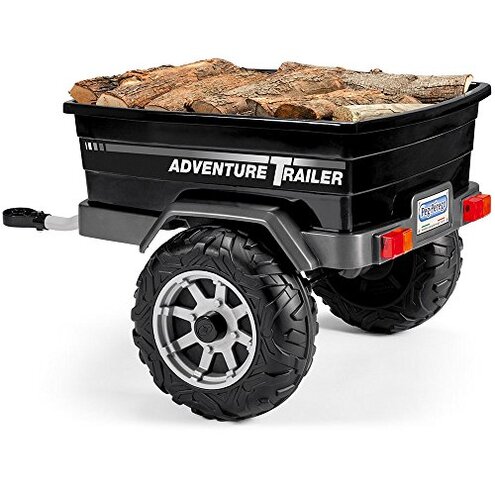
- Parents who prioritize large hauling capacity within the product’s specified limits.
Expectation vs reality
- Expectation: Durable wheels suitable for rough outdoor play (reasonable for this category).
- Reality: Wheels wear quickly and require frequent tightening, causing interruptions.
- Expectation: Secure hitch pin locking mechanism.
- Reality: Pin often fails to lock firmly, raising safety concerns more than typical trailers.
- Expectation: Broad compatibility with major ride-ons.
- Reality: Limited to select models, unlike more versatile competitors.
Safer alternatives
- Look for trailers with reinforced, easy-maintenance wheels to avoid frequent wear problems.
- Choose models offering a secure, tool-free hitch locking system for peace of mind.
- Select trailers compatible with a wider range of ride-on toys to avoid fit issues.
- Research products with simpler assembly instructions and fewer required tools.
The bottom line
The Peg Perego Adventure Trailer commonly triggers regret due to wheel durability and hitch security issues that disrupt play and raise safety concerns. These problems appear more frequently and persistently than typical mid-range trailers. Buyers seeking reliable, low-maintenance use or broad compatibility should consider alternatives to avoid frustration.
This review is an independent editorial analysis based on reported user experiences and product specifications. NegReview.com does not sell products.