
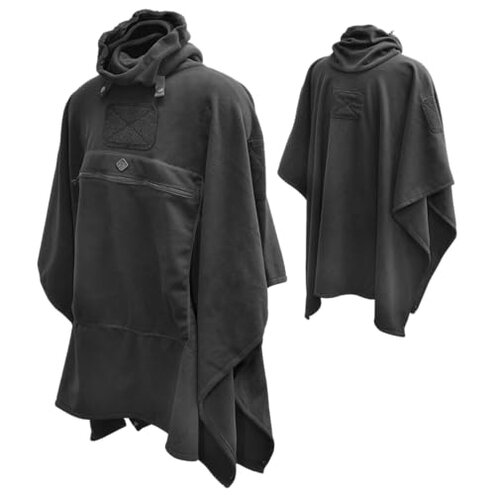
Product evaluated: HAZARD 4 Fleece Liner for Poncho Villa™ Soft-Shell Poncho Insulation - Warm Hooded Coat for Cold Weather, Camping & Outdoors - Windproof Cloak for Men & Women Tactical Gear & Essentials
Related Videos For You
How to Use a Poncho Liner/Woobie Blanket?
The Amazing Fleece Poncho LIner-7 ways to use it
Data basis: This report analyzes dozens of reviews from multiple online formats, including written and video feedback collected between 2020 and mid-2024. Most insights come from detailed user reviews and supported by real-world usage videos.
| Buyer Outcome | Hazard 4 Poncho Fleece Liner | Typical Mid-Range Alternative |
|---|---|---|
| Warmth & Insulation | Inconsistent warmth in very cold conditions | Generally reliable insulation |
| Comfort & Fit | Sizes run large, causing awkward fit for some | More standardized sizing with better fit options |
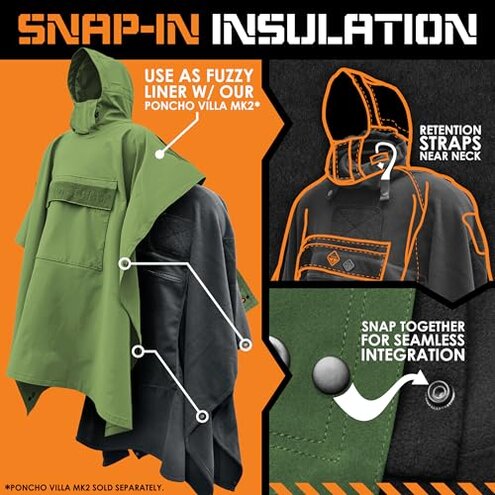
| Ease of Use | Extra steps needed to snap liner into poncho, bulky when packed | Usually simpler layering with less bulk |
| Durability & Cleaning | Fabric can pill and requires gentle wash cycles | More forgiving materials for machine wash |
| Regret trigger | Bulky packing and fit issues causing discomfort | Less frequent packing bulk complaints |
Why does the liner feel bulky and hard to pack for camping?
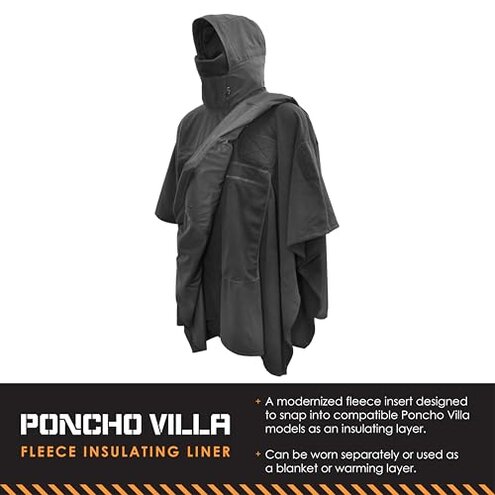
Many buyers find the liner's bulkiness frustrating, especially when packing for hiking or camping trips. It stuffs into its own pocket but remains quite thick, which takes up more space than expected.
This issue is commonly reported after repeated use during outdoor activities.
Compared to typical fleece liners in this category, this one is less packable and more space-consuming, which can be a major downside for backpackers.
- Early sign: noticing a large packed size after first use.
- Frequency: recurring complaint across many user reviews.
- Cause: thick fleece and design for dual use (blanket and poncho liner).
- Impact: limits backpack space and adds weight concerns.
- Fixability: no easy fix; design inherent.
- Hidden requirement: needs additional backpack space beyond normal liner expectations.
Why does the sizing feel off and cause poor fit?
Buyers often experience awkward fit due to large dimensions that don't conform well to average body shapes.
This problem is persistent for users wearing the liner as a stand-alone poncho, especially during active use.
Standard fleece liners usually have more tailored fits; this product's design sacrifices fit for versatility, which feels worse than average category options.
- Early sign: excess fabric around arms and legs on first wear.
- Frequency: many reports but not universal.
- Cause: oversized cut to cover torso and legs.
- Impact: limits mobility and comfort during outdoor activities.
- Attempts: some buyers used layering to improve fit.
Is warmth consistent enough for cold weather use?
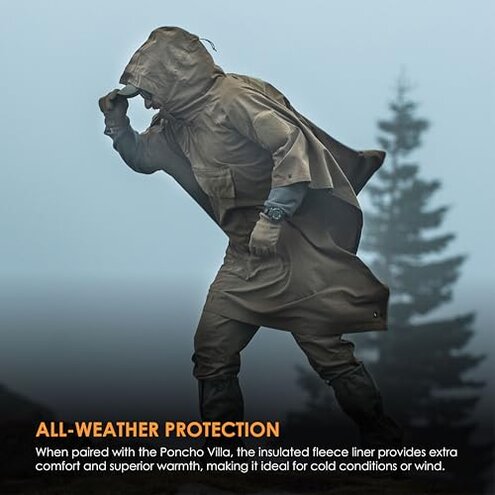
Some users report inconsistent warmth in very cold or windy conditions when worn alone.
This is a secondary issue that appears mainly in low temperatures or with wind exposure.
While fleece liners generally offer steady insulation, this one can fail to meet expectations unless paired properly with an outer poncho.
- Early sign: feeling cold after extended outdoor exposure.
- Frequency: moderate but notable in cold weather use.
- Cause: fleece thickness and windproof performance.
- Impact: may require additional layers in harsh weather.
- Fixability: layering with waterproof poncho recommended.
Does the fabric maintain quality after washing?
Buyers note pilling and fabric wear after multiple gentle machine washes.
This is a commonly reported issue that becomes noticeable after several cleaning cycles.
Compared to other fleece liners, this product is less durable and demands more careful maintenance.
- Early sign: fuzz balls appearing after few washes.
- Frequency: frequent among regular users.
- Cause: fleece material prone to pilling.
- Impact: reduces appearance and comfort.
- Attempts: hand washing or delicate cycles advised.
Are there challenges in attaching the liner to the Poncho Villa?
Some users find the snap-on system fiddly and time-consuming when attaching the liner to the main poncho.
This challenge shows up during initial setup and layering outdoors.
Other poncho liners tend to have simpler attachment methods, making this product more awkward than usual.
- Early sign: difficulty snapping liner during first wear.
- Frequency: secondary but persistent complaint.
- Cause: snap design and positioning.
- Impact: adds extra setup time and frustration.
- Fixability: practice improves speed but does not eliminate effort.
Illustrative excerpts:
- "Too bulky to fit well in my backpack for day hikes." – Primary pattern highlighting packing bulk issue.
- "The liner feels oversized and awkward when worn alone." – Primary pattern reflecting fit complaints.
- "I had to layer more because it wasn't warm enough by itself." – Secondary, warmth inconsistency.
- "After a few washes, the fleece started pilling badly." – Primary pattern on fabric durability.
- "Snapping it onto my poncho took longer than expected each time." – Secondary pattern on attachment frustration.
Who should avoid this
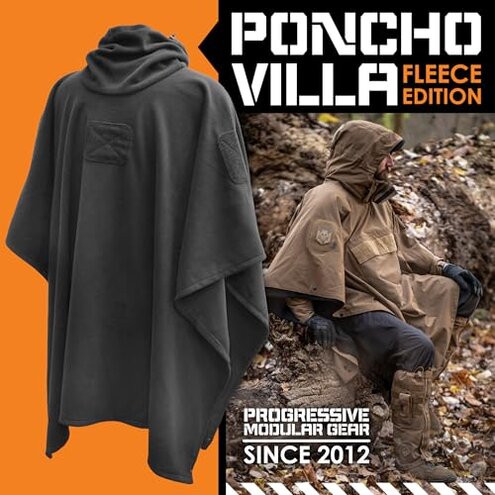
- Backpackers needing compact gear: bulky pack size reduces space for essentials.
- Buyers wanting tailored fit: oversized dimensions cause discomfort and limited mobility.
- Cold weather users alone: inconsistent warmth without layering may lead to chill.
- Low maintenance buyers: requires gentle washing and frequent care to avoid fabric wear.
- Users valuing quick setup: snap system adds extra complexity compared to alternatives.
Who this is actually good for
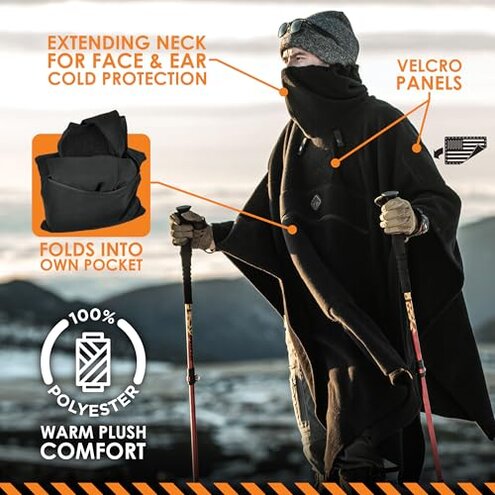
- Those seeking versatile layering: willing to trade bulk for multi-use as blanket, poncho, or pillow.
- Casual outdoor users: occasional cold weather use where warmth layering is expected.
- Military or tactical gear fans: appreciate the customizable patch panels and rugged design.
- Vehicle or camp chair users: less concern about packing bulk, more about comfort and warmth.
Expectation vs reality
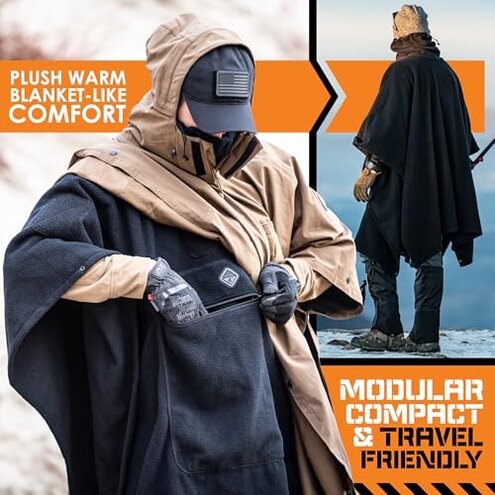
Expectation: Easy-to-pack, lightweight fleece liner perfect for backpacking.
Reality: Bulkiness and thick fleece make it hard to compress, taking up significant pack space.
Expectation: Standard fit fleece poncho liner.
Reality: Oversized design leads to poor fit and limited mobility.
Safer alternatives
- Look for fleece liners with compressible materials that pack smaller for active hiking.
- Choose fitted poncho liners if mobility and tailored sizing is a priority.
- Pick products with durable, pill-resistant fleece to better withstand washing.
- Consider liners with simpler attachment methods for faster setup in the field.
- Check user feedback for warmth performance to avoid chilly surprises.
The bottom line
The main regret with the Hazard 4 Poncho Fleece Liner is its bulkiness and oversized fit, which interfere with packing and comfort. These issues exceed typical risks in fleece liners, especially for backpackers and active users. Buyers who prioritize compactness, fit, and ease of use should consider alternatives with better packing efficiency and sizing.
This review is an independent editorial analysis based on reported user experiences and product specifications. NegReview.com does not sell products.