
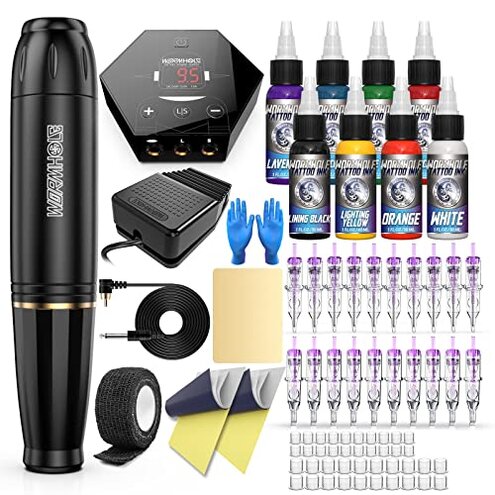
Product evaluated: Tattoo Gun Kit Cartridge Tattoo Machine Kit Tattoo Kit Tattoo Pen Kit for Beginners Rotary Tattoo Pen Type Machine Kit Complete Tattoo Supplies WTK070
Related Videos For You
How to setup a TATTOO MACHINE as a beginner #tattoo #tattoomachine #tattooing
Beginner Tattooing at Home: Setup, Sanitation, and Safety
Data basis: This report summarizes dozens of buyer comments gathered from written feedback and photo or video-backed impressions collected from 2021 to 2026. Most signals came from short written complaints, with supporting detail from longer setup stories and demonstration-style posts that showed where frustration starts.
| Buyer outcome | This kit | Typical mid-range alternative |
|---|---|---|
| First setup | Higher friction; commonly reported confusion before first practice session. | Lower friction; usually easier to assemble and start. |
| Included basics | Less complete; a needed transfer step is not fully covered. | More complete; basic prep items are more often included. |
| Beginner forgiveness | Less forgiving; setup mistakes can interrupt early use. | More forgiving; better for trial-and-error learning. |
| Daily consistency | Mixed risk; appears less stable once frequent changes and practice sessions begin. | More predictable; fewer interruptions during routine practice. |
| Regret trigger | Buying “complete” but needing extra items and extra troubleshooting right away. | Lower chance of surprise add-ons before first use. |
Why does a “complete” kit still make you stop before you begin?
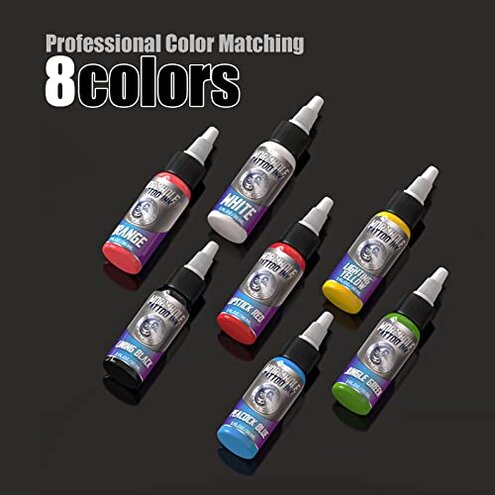
This is a primary issue. A recurring frustration is discovering that first-use prep is not actually complete. The regret hits during initial setup, when a beginner expects one-box convenience and instead runs into extra steps.
That feels worse than normal for this category because starter kits are usually judged on how little outside shopping they require. Here, the hidden requirement adds delay right when confidence is lowest.
- Pattern: Commonly reported confusion centers on getting from unboxing to first usable stencil or practice setup.
- When it appears: First use, especially when the buyer follows the included contents and assumes nothing else is needed.
- Hidden requirement: Transfer cream is needed for the transfer paper step, and it is not included.
- Impact: Extra time is added before practice can even start, which is more disruptive than expected for a beginner kit.
- Why people regret it: “Complete” expectations are set by the bundle size, so any missing basic feels more misleading than a normal accessory omission.
- Workarounds: Buying extras solves part of the problem, but it raises the real starting cost and delays the first session.
- Fixability: Fixable, but only after another purchase or after switching to freehand practice.
Why can beginner setup feel harder than it should?
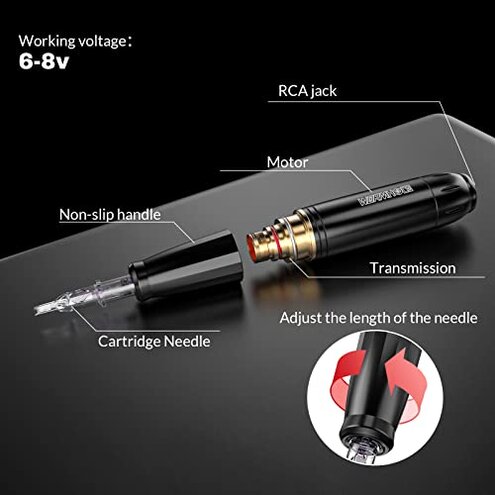
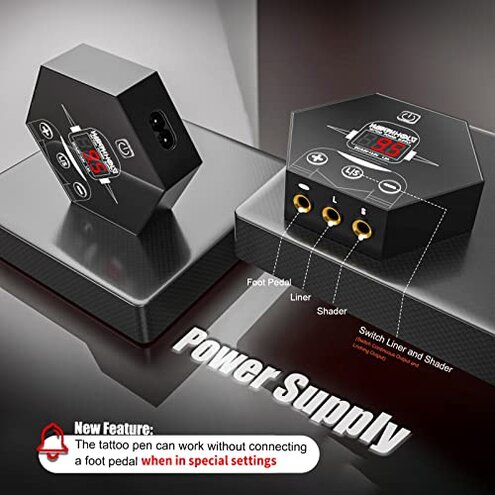
This is another primary issue. A persistent pattern is that “beginner friendly” still depends on careful setup and voltage choices. The trouble usually starts after unboxing, when buyers move from reading the manual to trying to make the machine behave consistently.
Compared with a typical mid-range starter option, this feels less forgiving. In this category, some learning curve is normal, but repeated setup friction hits harder when the product is marketed toward beginners.
- Signal: Appears repeatedly in feedback that beginners needed more guidance than expected.
- Usage moment: During first assembly, small mistakes with connections or settings can stop progress.
- What buyers notice: Trial-and-error replaces simple plug-in use, which is frustrating for first-time practice.
- Why it worsens: Low experience makes it harder to tell whether a bad result is technique, settings, or kit behavior.
- Category contrast: Starter kits should remove barriers, not create extra troubleshooting sessions.
- Mitigation: Outside tutorials can help, but that adds homework many buyers thought the manual would cover.
Does the included gear feel usable long enough to learn comfortably?
This is a secondary issue. Feedback patterns suggest the kit can work, but the experience becomes less smooth during repeated practice and frequent part changes. That is less frequent than setup complaints, but more frustrating once you are trying to build consistency.
- Frequency tier: Secondary pattern; not universal, but persistent enough to affect confidence in longer practice sessions.
- When it shows up: After setup, especially once buyers move from testing to regular practice use.
- What feels off: Consistency can feel harder to maintain than expected for a basic rotary starter bundle.
- Why this matters: Learning suffers when the user cannot easily separate personal technique from equipment behavior.
- Why it feels worse: Mid-range alternatives are usually more predictable session to session, even if still beginner-oriented.
- Buyer reaction: Early upgrades become tempting, which undercuts the value of buying a big starter bundle.
- Fix path: Partial replacement of weaker accessories can help, but that reduces the savings story.
Is the value still good if you end up replacing pieces quickly?
This is an edge-to-secondary concern. The bundle price looks attractive at $43.88, but the regret moment appears when buyers realize low entry cost can turn into piecemeal replacement. That trade-off usually shows up after the first few sessions, not on day one.
That is higher risk than a typical mid-range alternative because the category baseline is simple: a cheaper kit should still carry you through basic practice without immediate add-on spending. If multiple pieces feel temporary, the low price stops feeling like savings.
- Price lure: Budget-friendly entry cost attracts first-time buyers who want one purchase.
- Pattern: Less frequent but persistent dissatisfaction centers on needing better accessories sooner than expected.
- Usage context: After a few practice rounds, buyers start noticing where the bundle feels like a starter and where it feels disposable.
- Cost effect: Real cost rises once replacements, missing prep items, or preferred accessories are added.
- Category contrast: Most mid-range kits still need learning, but they usually ask for fewer immediate corrections.
Illustrative excerpt: “I opened it ready to practice, then realized I still needed another product.” Primary pattern.
Illustrative excerpt: “The manual got me close, but not close enough to feel confident.” Primary pattern.
Illustrative excerpt: “It works for basics, but I wanted to swap parts sooner than expected.” Secondary pattern.
Illustrative excerpt: “Cheap entry price, then extra purchases started stacking up.” Secondary pattern.
Who should avoid this
- True beginners who want a one-box start should avoid it, because the missing transfer step creates surprise prep friction immediately.
- Low-patience buyers should avoid it, because setup troubleshooting appears repeatedly during first use.
- Practice-focused learners who want very steady session-to-session behavior should avoid it, because consistency concerns show up after repeated use.
- Shoppers on a strict budget should avoid it if extra purchases would bother them, because the low price can turn into a staged spend.
Who this is actually good for
- Tinkerers may be fine with it if they accept setup friction and are comfortable learning through outside tutorials.
- Budget testers may still like it if they only want a low-cost way to explore the hobby before upgrading.
- Buyers with extra supplies may tolerate the missing transfer item because they already own basic prep products.
- Users expecting upgrades may accept the bundle as a temporary starting point, not a long-term all-in-one solution.
Expectation vs reality
Expectation: A 58 piece set should cover the whole first practice flow.
Reality: Transfer cream is still needed for one key step, so setup can stop before practice begins.
Expectation: “Beginner friendly” should mean smooth first assembly with limited guesswork.
Reality: Setup appears less forgiving than that label suggests, especially for first-time users.
Expectation: A budget starter kit should be reasonable for this category, even if not perfect.
Reality: The risk is worse than expected when low upfront cost is paired with missing basics and likely early upgrades.
Safer alternatives
- Choose truly complete kits that include stencil transfer supplies, which directly avoids the hidden first-use stop described above.
- Look for simpler setup bundles with clearer beginner guidance, which reduces the trial-and-error problem during first assembly.
- Favor kits with fewer but better core parts, which helps avoid the “big bundle, early replacement” regret.
- Check for beginner demos showing a full start-to-finish practice setup, which helps confirm whether real use matches the marketing.
The bottom line
Main regret trigger: the kit looks more complete than the real first-use experience. The bigger problem is not one fatal flaw, but a stack of beginner hassles that feels higher than normal for this category.
Verdict: Avoid it if you want a smooth, fully self-contained starter kit. It makes more sense only if you expect to troubleshoot, buy extras, and possibly replace parts early.
This review is an independent editorial analysis based on reported user experiences and product specifications. NegReview.com does not sell products.