
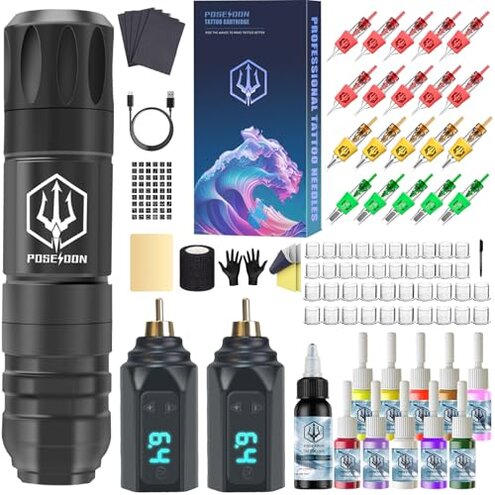
Product evaluated: POSEIDON Tattoo Gun Kit - Wireless Tattoo Pen Kit Tattoo Kit with 2Pcs Tattoo Battery and 20 Pcs Tattoo Cartridge Needles, Complete Tattoo Machine kit Tattoo Supplies for Beginners
Related Videos For You
Mast Fold2 Pro Tattoo Gun Wireless Tattoo Pen Machine
Pen inks and markers YOU CAN TATTOO WITH
Data basis: This report is based on dozens of buyer comments gathered from written feedback and video-style demonstrations collected from 2024 to 2026. Most feedback came from short written reviews, with added context from setup clips and first-use impressions, which helps show where beginner frustration starts and whether problems appear immediately or after repeated practice sessions.
| Buyer outcome | POSEIDON kit | Typical mid-range alternative |
|---|---|---|
| First-use setup | Higher friction; beginners may need extra trial and error before getting a stable session. | Usually easier; still a learning curve, but setup tends to be more forgiving. |
| Power consistency | Higher risk of uneven feel during use, which is more disruptive than expected in this category. | More stable power delivery during basic practice work. |
| Included supplies | Mixed value; many starter items are included, but not all feel dependable for repeated use. | Less generous bundles, but accessories are often more usable. |
| Skill forgiveness | Lower; mistakes feel easier to make during early practice. | Better for learning basic hand control without as much setup correction. |
| Regret trigger | Looks complete, but hidden setup and consistency issues can add time, waste supplies, and shake confidence. | Usually simpler, with fewer bundled extras but fewer surprise steps. |
Does it feel ready to use, then turn into a setup project?
Primary issue: The regret moment often starts on first use, when a beginner expects a complete kit to simplify learning but instead spends extra time sorting basics. This appears repeatedly in starter-kit feedback and feels worse because the bundle presentation suggests less effort than many buyers actually face.
Category contrast: Entry kits normally involve some learning, but this kind of hidden requirement is more frustrating than usual because buyers choose bundles to avoid piecing together essentials and workflow steps themselves.
- Early sign: Confusion starts after unboxing when included items make the kit look complete, but beginners still need to learn more than expected before clean practice sessions.
- Pattern: This is a recurring complaint rather than a universal one, especially among first-time users with no prior machine setup experience.
- When it worsens: It gets harder during longer practice sessions when battery swaps, needle changes, and ink setup all stack together.
- Impact: The biggest cost is wasted practice time, not just money, because poor early sessions can make new users think their technique is worse than it is.
- Fixability: It is partly fixable if you already understand tattoo machine basics, but that defeats the beginner-friendly promise.
Illustrative: “I thought the kit would simplify learning, but setup took longer than the practice.” Primary pattern.
Do the batteries make sessions feel less steady than expected?
Primary issue: Power consistency is among the most common regret triggers for wireless beginner tools like this. The problem shows up during actual practice, not just on paper specs, when a session depends on stable feel from start to finish.
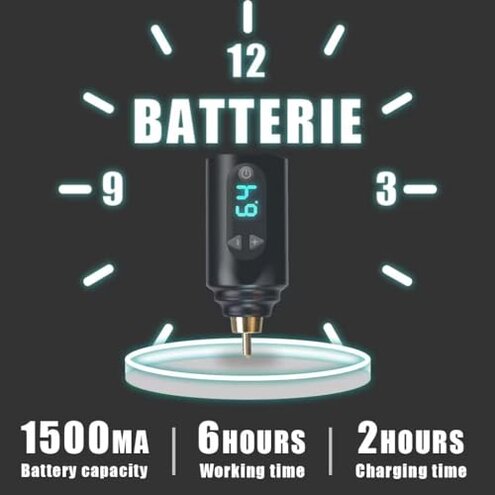
Severity: This is more disruptive than expected because the kit includes 2 batteries and a stated 3-6 hours runtime, which can create confidence that real use will feel smoother than it sometimes does.
Category contrast: Some variation is normal in budget wireless tattoo pens, but buyers usually expect enough consistency for short practice runs. When power feels uneven, it is less forgiving than a typical mid-range setup for hand-speed control.
- Frequency tier: This is a primary issue, appearing more often than cosmetic complaints because it affects the machine’s basic feel.
- Usage moment: It tends to show up mid-session, especially when trying to keep line work or shading rhythm steady.
- Buyer-visible result: Users notice a different feel in hand rather than a clear technical failure message.
- Why it frustrates: Beginners often blame their own technique first, which delays realizing the tool may be adding inconsistency.
- Worsening condition: The issue feels bigger in longer sessions or after repeated battery changes, because rhythm matters more once practice gets serious.
- Workaround: Lower expectations to short sessions and treat the batteries as convenience tools, not dependable all-day power.
Illustrative: “It worked, but the machine didn’t feel equally steady through the whole session.” Primary pattern.
Are the included supplies good enough, or just enough to get started?
Secondary issue: The bundle size looks generous with 20 needles, 10 x 5ml inks, a 30ml black ink, practice skin, transfer paper, and caps. The trade-off, seen across multiple feedback types, is that included quantity does not always translate into dependable learning quality.
- Pattern signal: This is a secondary issue, less frequent than battery frustration but still persistent because accessories shape the first few practice attempts.
- When noticed: It shows up after setup, once buyers start using the practice materials rather than just checking the parts list.
- Category baseline: Beginner kits often include filler items, but this feels worse when the bundle is marketed as a complete tattoo kit for starters.
- Real impact: Some buyers end up replacing parts sooner, which adds extra cost and undercuts the savings of a low entry price.
- Hidden requirement: To get smoother practice, you may need better accessories earlier than expected, even though the kit appears ready-made.
- Frustration point: That creates a mismatch between the complete kit message and the actual path to dependable practice results.
- Fixability: This is fixable if you treat the bundle as a sampler and budget for upgrades, but that is not what many beginners expect at checkout.
Illustrative: “There were plenty of supplies, but I replaced some basics faster than expected.” Secondary pattern.
Can a true beginner learn with it, or does it punish mistakes too quickly?
Primary issue: Many budget tattoo kits promise beginner access, but this type of setup can feel less beginner-friendly once hand control, voltage choices, and supply quality all interact at once. That pattern is persistent, especially during early practice when users still need the machine to be forgiving.
- Usage context: The problem appears during first practice skin sessions, when new users are still learning pressure, speed, and angle together.
- Why worse here: Compared with a typical mid-range learner option, this setup can demand more self-correction before results start looking consistent.
- Early clue: If you keep adjusting settings and still get uneven results, the issue may be tool forgiveness, not only technique.
- Intensity cue: This is among the most frustrating issues because it can shake confidence faster than missing extras or cosmetic flaws.
- Attempts buyers make: Users commonly try changing voltage, swapping batteries, or switching needles to chase a steadier feel.
- Practical cost: That means more wasted practice materials while troubleshooting instead of learning one skill at a time.
- Not universal: Buyers with prior tattoo machine experience may adapt faster, so this is not an every-user failure.
- Bottom cause: The kit asks for more judgment than many first-time buyers expect from a bundle sold as beginner-ready.
Illustrative: “I’m new, so I couldn’t tell if it was me or the machine.” Primary pattern.
Illustrative: “Good as a cheap practice start, but not as easy as the listing suggests.” Edge-case pattern.
Who should avoid this
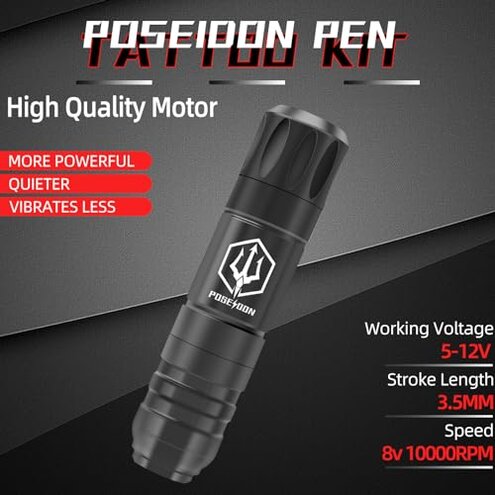
- True beginners should avoid it if they want a kit that removes setup decisions, because hidden learning steps are higher than normal for a beginner bundle.
- Anyone planning long sessions should be cautious, because power steadiness becomes more noticeable once rhythm matters across extended practice time.
- Buyers expecting dependable included supplies may be disappointed, since the bundle can still push you toward earlier replacements than expected.
- Low-frustration learners should skip it if they need a forgiving tool, because uneven early results can blur the line between user error and gear limits.
Who this is actually good for
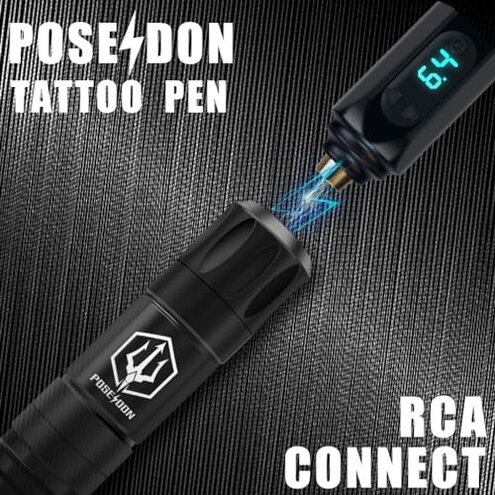
- Budget testers may be fine with it if they only want a low-cost way to explore tattoo machine basics before upgrading.
- Users with prior setup knowledge can tolerate the friction better, because they are less likely to mistake machine inconsistency for pure technique problems.
- Short-session practice users may accept the battery trade-off if convenience matters more than highly steady feel.
- Buyers treating it as a starter bundle rather than a full solution can make sense of the value, especially if they already expect to replace some supplies.
Expectation vs reality
- Expectation: A complete beginner kit should reduce decisions and get you practicing quickly.
- Reality: Setup friction can still be high, which cancels part of the convenience advantage of buying a bundle.
- Expectation: Wireless batteries should make practice simpler and more flexible.
- Reality: Power consistency may matter more than freedom from cords, especially once sessions get longer.
- Reasonable for this category: Budget kits usually include some lower-priority extras.
- Worse-than-expected reality: Here, the gap between a complete kit promise and the need for early upgrades can feel larger than normal.
Safer alternatives
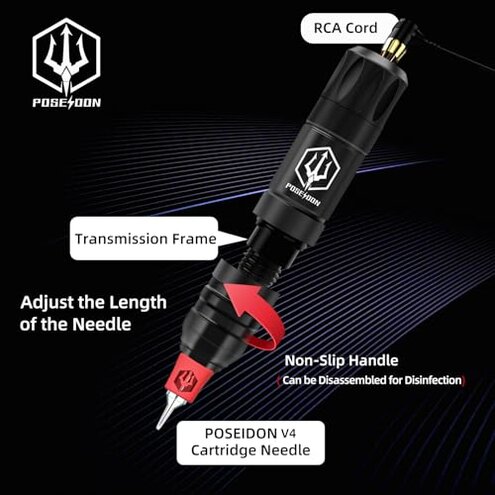
- Choose stability first by looking for a beginner tattoo pen kit known more for steady sessions than for the biggest accessory count.
- Prefer simpler bundles with fewer extras if the included core machine and power setup are more dependable.
- Look for clearer beginner guidance so first-use setup is less confusing and you can separate technique mistakes from hardware issues faster.
- Budget for replacement basics if you still buy a low-cost kit, because that directly offsets the weaker included-supplies risk.
- Use wired options if consistency matters more than mobility, since that can reduce one of the main wireless beginner frustrations here.
The bottom line
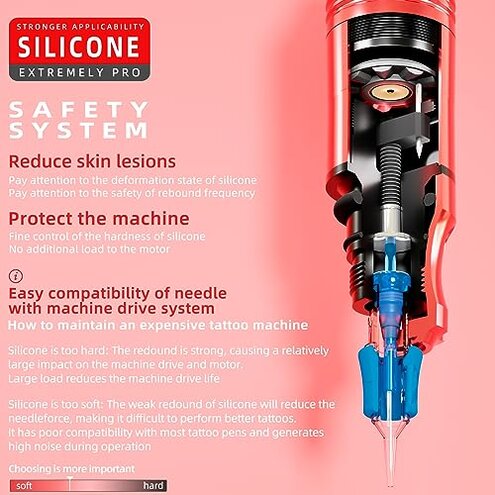
Main regret trigger is the gap between a complete beginner-friendly promise and the extra setup, supply, and power consistency friction that can appear once practice starts. That exceeds normal category risk because buyers are not just dealing with typical budget compromises; they are also spending extra time figuring out whether the tool or their technique is the problem. Verdict: avoid it if you want a forgiving first tattoo kit, and consider it only if you accept short practice use and likely accessory upgrades.
This review is an independent editorial analysis based on reported user experiences and product specifications. NegReview.com does not sell products.