
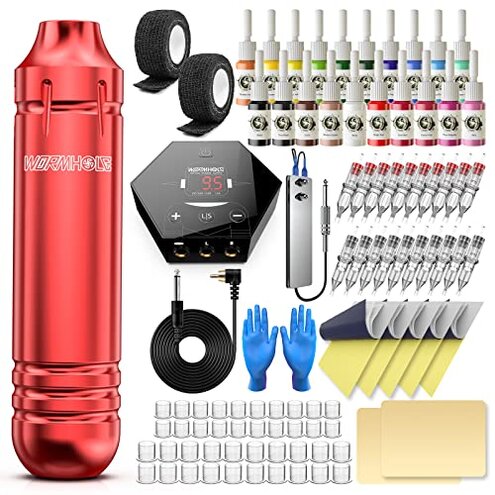
Product evaluated: Wormhole Tattoo Kit Tattoo Gun Kit Tattoo Machine Kit for Beginners Tattoo Gun 20 Color Inks Power Supply Tattoo Pen Kit Red
Related Videos For You
How to setup a TATTOO MACHINE as a beginner #tattoo #tattoomachine #tattooing
Ultimate Tattoo Guide for Beginners: Techniques, Needles & More - How To Tattoo
Data basis: This report is based on dozens of buyer comments gathered from written feedback and short video-style demonstrations collected from 2023 to 2026. Most feedback came from written impressions, with supporting setup clips and use-case walkthroughs helping confirm where frustration shows up during first use and early practice sessions.
| Buyer outcome | Wormhole kit | Typical mid-range alternative |
|---|---|---|
| First setup | Higher friction; beginners often need extra trial and error before steady use. | Lower friction; setup is usually more guided and forgiving. |
| Practice consistency | Less predictable; line and shading results can vary during early sessions. | More stable; still beginner-limited, but usually easier to repeat results. |
| Included extras | Looks complete, but the kit format can hide quality tradeoffs. | Fewer extras, but included parts are often more dependable. |
| Hidden effort | Higher-than-normal risk; beginners may need replacement parts or outside guidance sooner than expected. | Moderate risk; extra learning is normal, but less often tied to bundled part quality. |
| Regret trigger | Buying for convenience and then spending extra time troubleshooting. | Paying more upfront, but usually with fewer setup interruptions. |
Why does a “complete” kit still feel hard to use right away?
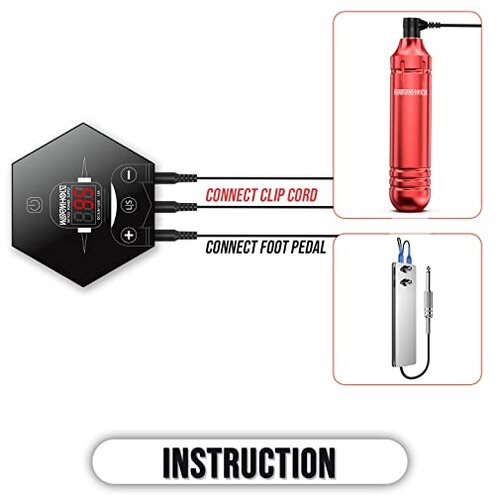
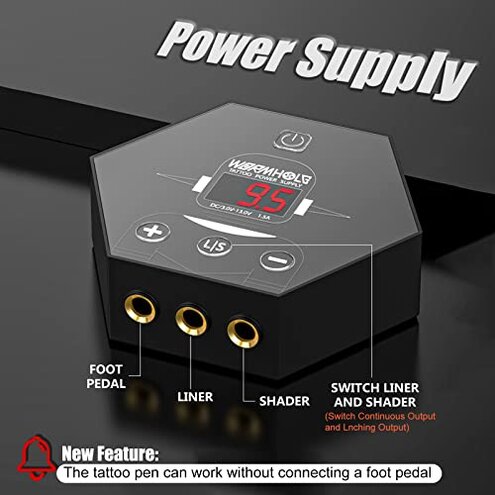
This is a primary issue and among the most common complaints for beginner tattoo kits. The regret moment usually happens during first setup, when a buyer expects a ready-to-practice bundle but runs into extra steps.
The trade-off is price versus ease. In this category, some learning curve is reasonable, but this kit appears less forgiving than a typical mid-range starter option.
- Pattern: Setup friction appears repeatedly, especially from new users trying to assemble and start the kit without outside help.
- When it hits: The problem shows up before first practice or in the first short session, when each connection and adjustment matters more.
- Early sign: Buyers often notice unclear readiness, meaning they are not sure whether the machine is set correctly or the issue is user error.
- Impact: This adds extra time and can waste practice materials while the buyer tests settings instead of learning technique.
- Hidden requirement: Many beginners seem to need outside tutorials, which is more dependence than expected from an all-in-one starter kit.
Illustrative: “I thought I could start practicing fast, but setup took way longer.” — Primary pattern
Why do results feel inconsistent once you finally get it running?
This is another primary issue, and it feels more disruptive than expected because the whole point of a beginner kit is repeatable practice. The frustration tends to appear after setup, when lines or shading do not feel steady from one pass to the next.
Not every buyer runs into this, but it is a persistent pattern in beginner-focused feedback. Compared with a typical mid-range tattoo starter, this can feel harder to dial in for predictable practice.
Worsening condition: It gets more noticeable during longer sessions or repeated practice, when small inconsistencies become obvious. That matters because learners need stable behavior more than feature count.
- Frequency tier: This is a primary complaint, slightly less visible than setup trouble but often more frustrating once it starts.
- Usage moment: Buyers notice it during outlining or shading, where uneven feel creates doubt about hand skill versus machine behavior.
- Why it stings: A beginner cannot easily tell whether the issue is technique or tool, which slows learning.
- Category contrast: Some inconsistency is normal at this price, but this seems more frequent than what many expect from a starter bundle sold as beginner-friendly.
- Mitigation: Careful voltage and depth adjustments may help, but that adds more trial and error than many first-time buyers planned for.
- Longer-term effect: When practice feels unreliable, buyers can lose confidence and delay moving forward.
Illustrative: “One minute it felt fine, then my practice lines stopped looking even.” — Primary pattern
Why do the included accessories feel less useful than they look?
This is a secondary issue, but it shows up often enough to matter because the large piece count is part of the product appeal. The regret usually starts after unboxing, when buyers realize that having many items does not always mean smoother practice.
- Pattern: Accessory disappointment is commonly reported, especially from buyers who chose the kit to avoid buying extra supplies early.
- What buyers notice: The bundle can feel more convenient on paper than in actual use.
- When it worsens: It becomes more annoying when parts need frequent replacement or when beginners compare the included items against separately bought basics.
- Why this is worse: In this category, bundled extras are often average, but this kind of all-in-one kit can create higher expectations than the contents can support.
- Practical impact: Buyers may still end up spending more money later, which cuts into the low upfront price advantage.
- Fixability: The machine may still be usable for practice, but many buyers seem to get better results after upgrading key extras.
- Regret point: The core frustration is paying for a big bundle and then treating part of it as temporary.
Illustrative: “It came with a lot, but I still felt like I needed better basics.” — Secondary pattern
Why does this kit feel riskier for true beginners than the listing suggests?
This is a secondary but important issue because the product is clearly aimed at people starting out. The problem appears during early learning, when a new user needs simple, reliable behavior and clear boundaries.
- Pattern: Beginner mismatch is less universal than setup complaints, but it appears repeatedly enough to be a real decision point.
- Real moment: Buyers feel it when they realize the kit requires more judgment than expected for voltage, needle depth, and safe practice habits.
- Hidden requirement: The kit works better for someone already comfortable with basic tattoo machine handling, even though many shoppers want a first-step package.
- Category contrast: All tattoo kits need care and learning, but this one seems less beginner-proof than a mid-range option with better guidance and fewer weak bundled parts.
- Why regret grows: When new users struggle, they often do not know whether to return, replace, or relearn, which stretches out the hassle.
- Safety angle: The product itself warns against use on human skin by non-professionals, so buyers expecting a quick path beyond practice may face a hard stop.
- Best-case fix: It can still work as a low-cost practice-only setup if the buyer accepts limits and treats it as a starter experiment.
- Edge limit: If your goal is fast confidence, this is riskier than normal for the category.
Illustrative: “This felt more like a project kit than a beginner-ready kit.” — Secondary pattern
Illustrative: “I spent more time figuring it out than actually practicing.” — Primary pattern
Who should avoid this
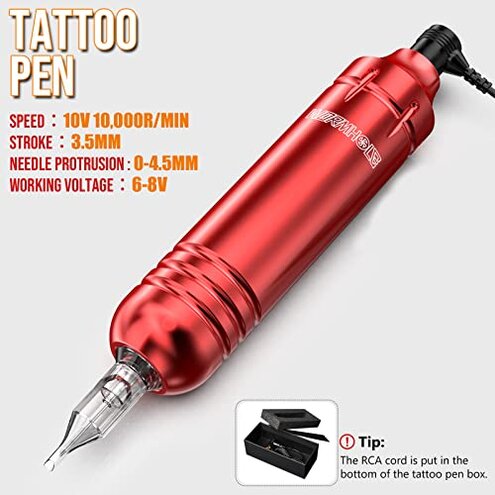
- True beginners who want a smooth first session should avoid it, because setup friction appears repeatedly and can blur the line between user error and tool limits.
- Buyers wanting consistency should avoid it if they need repeatable practice results quickly, since uneven performance is a primary frustration after setup.
- Shoppers buying for bundle value should avoid it if they expect the included extras to remove future purchases, because that convenience often looks better than it feels.
- Anyone with low patience for troubleshooting should avoid it, since the hidden requirement for outside guidance is higher than many beginner kits justify.
Who this is actually good for
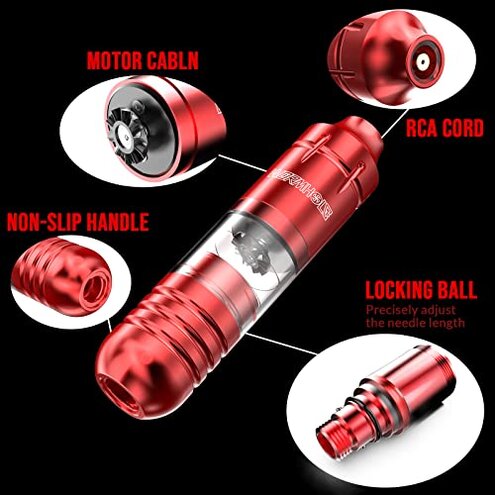
- Practice-only users may be fine with it if they accept setup trial and error in exchange for a lower upfront price.
- Tinkerers who do not mind adjusting settings and replacing weaker extras can tolerate the main failure better than a first-time casual buyer.
- Budget shoppers who already understand basic tattoo machine handling may get enough use from it, because the hidden learning burden is less severe for them.
- Short-session learners may find it workable if they keep expectations narrow and treat the kit as a temporary starting point, not a complete long-term solution.
Expectation vs reality
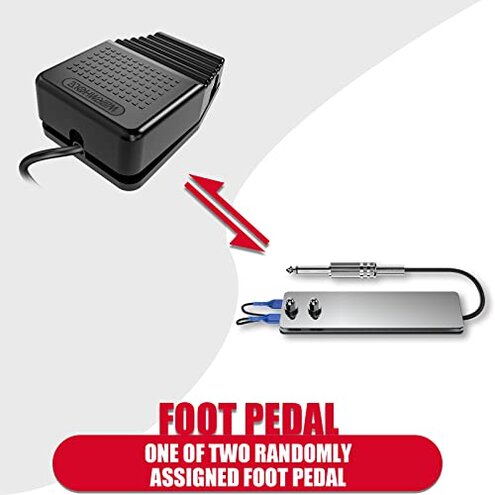
Expectation: A 105-piece starter set should mean less extra shopping.
Reality: The large bundle can still lead to later replacements, which weakens the convenience argument.
Expectation: A beginner tattoo kit should be ready to practice after basic assembly.
Reality: Here, first use often involves more troubleshooting than many buyers expect from an entry-level bundle.
Expectation: Some learning curve is reasonable for this category.
Reality: The learning burden seems worse than expected because uncertainty comes from both beginner technique and kit behavior.
Safer alternatives
- Choose fewer parts and better guidance instead of the biggest bundle, which directly reduces the setup confusion seen here.
- Look for stable practice focus over accessory count, which helps avoid the inconsistent-feel problem during outlining and shading.
- Prioritize replacement clarity if you shop beginner kits, because hidden extra spending is a major regret trigger with large bundles.
- Buy for your real skill level, not the label, since this kit seems to work better for users who already know the basics.
The bottom line
Main regret comes from buying a low-cost complete kit for convenience and then losing time to setup friction, uneven practice feel, and accessory compromises. That exceeds normal category risk because beginner kits should reduce confusion, not add more places for it to happen. Avoid it if you want a genuinely beginner-friendly path with predictable early practice.
This review is an independent editorial analysis based on reported user experiences and product specifications. NegReview.com does not sell products.